Iran's Uncertain Future After Khamenei's Reported Death
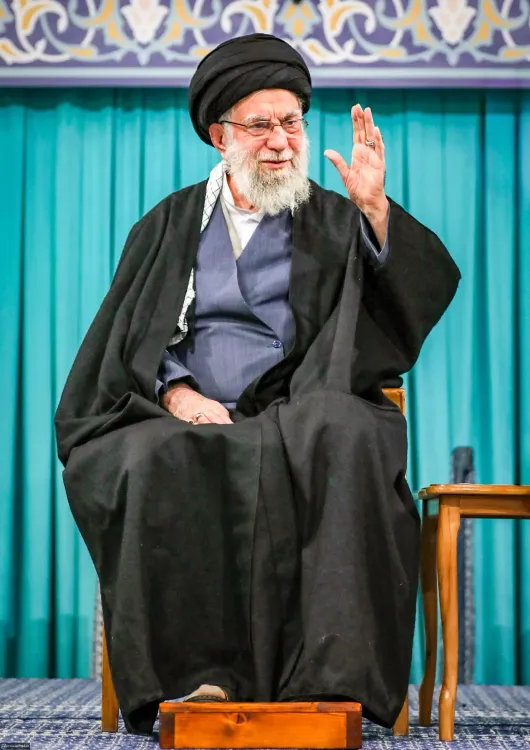
Synopsis
The reported death of Ayatollah Ali Khamenei has plunged Iran into a climate of uncertainty, with divergent opinions from U.S. lawmakers and Iranian officials regarding the future of Tehran's leadership and military actions.
Key Takeaways
Khamenei's death creates a power vacuum in Iran.
U.S. lawmakers have differing views on military strategy.
Iran frames U.S. actions as acts of aggression.
Uncertainty exists regarding Iran's leadership transition.
Potential for increased regional tensions.
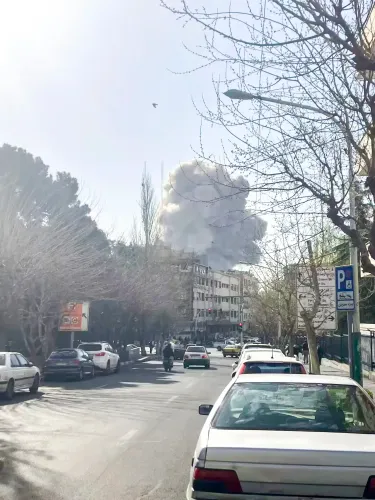
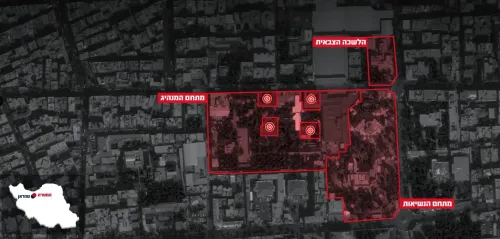
Washington, March 1 (NationPress) The alleged assassination of Iran's Supreme Leader, Ayatollah Ali Khamenei, has thrown the Islamic Republic into a state of unpredictability. American legislators and Iranian representatives have presented drastically different viewpoints on the potential consequences for Tehran's political hierarchy.
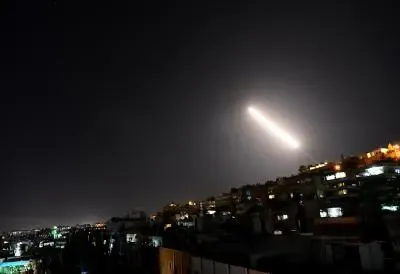
In a conversation with CNN, Senate Intelligence Committee Chairman Tom Cotton asserted that the military operations would persist. “What the American populace will witness in the upcoming days will be a deliberate and systematic approach towards Iran’s missile capabilities, including its launchers and manufacturing processes,” he stated.
Cotton further remarked, “There is no doubt that Iran will continue to target our bases in the region, our allies in the Arab world, and Israel.”
During an interview with CBS News, Cotton noted that the President has “no intention for a large-scale ground presence within Iran,” instead outlining an “extended air and naval operation.”
Conversely, Senator Mark Warner, Vice Chairman of the Senate Intelligence Committee, cautioned that Washington lacks comprehensive insight into the evolving situation in Iran. He remarked to CNN, “We have very limited understanding of what occurs next following the Supreme Leader's removal.”
On ABC News, Democratic Senator Adam Schiff criticized the overarching military strategy. “There was absolutely no justification for launching this extensive military campaign aimed at regime change,” he asserted. He emphasized that Iran “did not pose an imminent threat to the United States.”
Schiff expressed his relief at the regime's downfall, noting, “At least the leader of that oppressive regime is gone,” but he warned against raising expectations for American troops to back a domestic uprising.
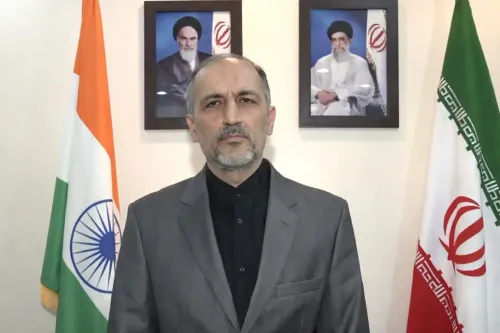
Iran’s Foreign Minister Abbas Araghchi dismissed American justifications. Speaking to ABC News, he stated, “The actions of the United States are acts of aggression. We are engaged in self-defense.”
“We will defend ourselves by any means necessary,” he added.
The conflicting statements illustrate a significant uncertainty regarding how Iran’s leadership transition will proceed. While Washington has indicated ongoing military pressure, Tehran has framed the strikes as unlawful aggression.
Point of View
The death of a key political figure like Khamenei marks a pivotal moment for Iran. The contrasting views from international leaders highlight a complex geopolitical landscape, necessitating careful monitoring of developments in the region.
NationPress
29 Sept 2026
Frequently Asked Questions
What happened to Ayatollah Ali Khamenei?
Ayatollah Ali Khamenei has reportedly been killed, creating uncertainty within Iran's political landscape.
What are the implications for U.S. foreign policy?
U.S. lawmakers have differing views on military actions and strategy in response to the leadership change in Iran.
How is Iran responding to the situation?
Iranian officials have condemned U.S. actions as aggression and claim to be acting in self-defense.
What does this mean for Iran's future?
The power vacuum may lead to an unpredictable transition in Iran’s leadership and military posture.
Are there concerns about regional stability?
Yes, there are significant concerns regarding Iran's response and the potential for increased tensions in the region.