Divided Opinions in the U.S. on Iran Strike and Khamenei's Death
Synopsis
As the U.S. grapples with the aftermath of the military strike on Iran and the death of Ayatollah Khamenei, lawmakers clash over the implications and motives behind the action, raising critical questions about future U.S. strategy in the region.
Key Takeaways
U.S. lawmakers are divided on the necessity of military action against Iran.
Senator Cotton supports further military operations to dismantle Iran's missile capabilities.
Senator Warner warns of the absence of an immediate threat from Iran.
Iran's Foreign Minister labeled U.S. actions as aggression.
The debate highlights ongoing concerns over U.S. foreign policy and strategic objectives.
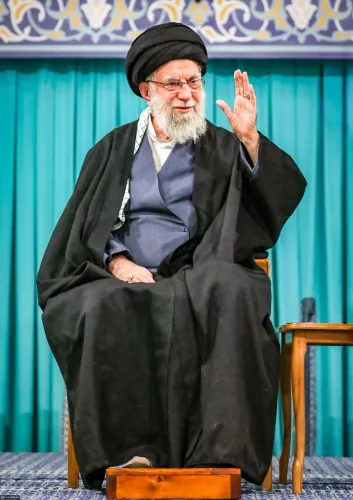
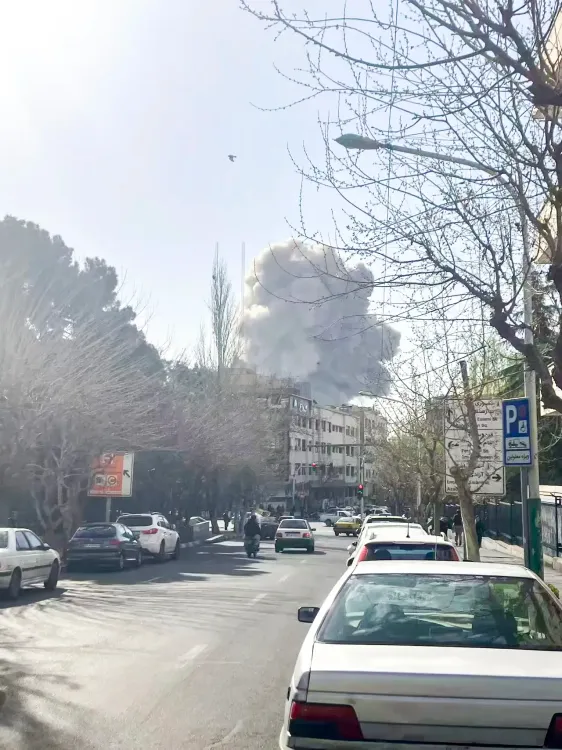
Washington, March 1 (NationPress) The political landscape in the United States was notably split on Sunday regarding President Donald Trump's military action against Iran and the alleged elimination of its Supreme Leader, Ayatollah Ali Khamenei. Lawmakers engaged in a fierce debate over whether this decisive move was a necessary strike against a long-standing enemy or merely, as one senator termed it, “a war of choice.”
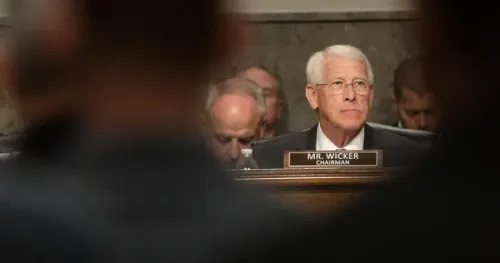
Senate Intelligence Committee Chairman Tom Cotton staunchly supported the operation, asserting in an interview with CNN, “There’s no question that Iran will keep targeting our bases in the region, as well as our Arab allies and Israel.”
He indicated that further military interventions aimed at debilitating Tehran’s capabilities are forthcoming. “In the coming days, the American public will witness a focused and systematic approach toward Iran’s missile systems, including its launchers and ultimately its production capabilities,” he stated.
During a different segment on CBS News, Cotton clarified that the President has “no intention for a large-scale ground invasion in Iran,” instead suggesting an “extended air and naval operation” directed at Iran’s missile inventory.
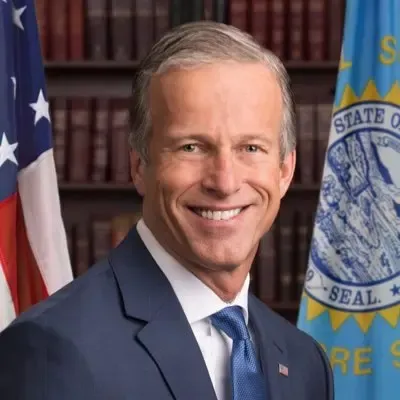
Conversely, Senator Mark Warner, the Democratic Vice Chair of the Senate Intelligence Committee, strongly opposed this stance. In a CNN interview, he characterized the action as “a war of choice.”
“There was no immediate threat to the United States,” he argued. “I found no intelligence indicating that Iran was about to execute any kind of pre-emptive strike against the United States.”
Warner further warned that Washington lacks clarity on the potential aftermath of Khamenei's removal. “We have very limited insight into what transpires next in Iran,” he mentioned.
Democratic Senator Adam Schiff also voiced similar apprehensions on ABC News.
“There was simply no justification for initiating this extensive military operation with the aim of regime change,” he remarked, adding that Iran “did not present an immediate threat to the United States.”
Schiff expressed relief that the regime's leadership is gone but cautioned against fostering expectations that U.S. troops would support any grassroots uprising in Iran.
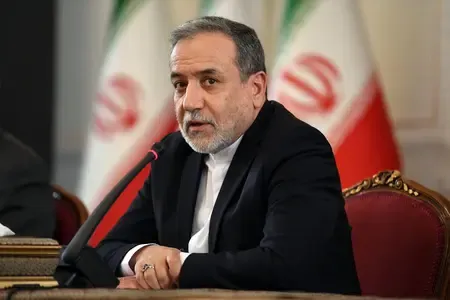
Iran’s Foreign Minister Abbas Araghchi dismissed the justification provided by Washington.
Addressing ABC News, he stated, “The actions taken by the United States are aggressive. We are merely acting in self-defense.”
“We will defend ourselves, by any means necessary,” he added.
This discourse highlights an escalating debate in Washington regarding the intelligence that supported the strikes, the necessity for Congressional approval, and the ultimate strategic objectives. Advocates depict the action as a critical move to dismantle Iran's military framework, while opponents express concerns over potential escalation and enduring conflict in an already unstable region.
Since the 1979 Islamic Revolution, Iran has remained under clerical leadership, severing ties with the United States and culminating in the 440-day hostage crisis at the U.S. Embassy in Tehran.
Over the years, various U.S. administrations have attempted to rein in Tehran's nuclear aspirations and regional power through sanctions, diplomatic efforts, and occasionally covert operations.
Point of View
Others warn of potential escalation and unintended consequences. As the debate unfolds, the focus remains on national interests and the strategic direction for U.S. foreign policy.
NationPress
26 Sept 2026
Frequently Asked Questions
What led to the U.S. strike against Iran?
The U.S. strike was a military action ordered by President Trump, citing Iran's ongoing threats to U.S. bases and allies in the region.
What are the differing opinions among U.S. lawmakers regarding this action?
Opinions are split; some view the strike as a necessary defense against a long-time adversary, while others see it as an unnecessary escalation without imminent threat.
How has Iran responded to the U.S. actions?
Iran's officials have condemned the U.S. actions as acts of aggression, asserting their right to defend themselves.
What historical context is relevant to this situation?
Iran has been under clerical rule since the 1979 Islamic Revolution, leading to a long-standing adversarial relationship with the U.S.
What are the potential consequences of this military action?
The consequences may include increased tensions in the region, potential retaliation from Iran, and a broader debate on U.S. foreign policy.