Divided US Lawmakers Respond to Trump's Iran Military Action
Synopsis
On March 10, US lawmakers exhibited a stark divide over President Trump’s military action against Iran. Republicans view it as a vital national security measure, while Democrats argue it’s an unauthorized war with potential economic repercussions. This situation raises crucial questions about the legality and strategy of the conflict.
Key Takeaways
Major divide among US lawmakers on military action against Iran.
Republicans advocate for national security measures.
Democrats express concerns over unauthorized war and economic impacts.
Key objectives include dismantling Iran's military capabilities.
Calls for Congress to reclaim its constitutional role in military decisions.
Washington, March 10 (NationPress) Lawmakers in the US are experiencing a deep divide regarding President Donald Trump’s decision to initiate military actions against Iran. Senior Republican figures are defending this action as essential for national security, while Democrats are cautioning that it constitutes an unauthorized war, potentially escalating economic burdens and exacerbating instability across the Middle East.
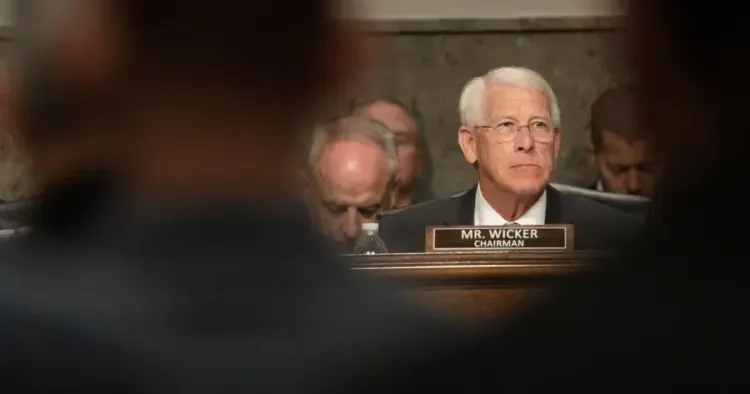
Senator Roger Wicker, the Republican chair of the Senate Armed Services Committee, expressed strong support for the president’s choice during his remarks on the Senate floor, asserting that the administration acted with intention to safeguard American interests.
“The decision made by President Trump to target Iran was significant, thoughtful, and justified,” Wicker stated.
He acknowledged the gravity of the president’s decision, emphasizing that he had made “the most challenging choice a commander-in-chief can face” by deploying young American service members into active combat.
Wicker advocated for backing the troops involved in the operation and highlighted the tragedy of American casualties. “We mourn the loss of six American servicemen and women who have fallen in this conflict,” he remarked.
The Mississippi senator maintained that the military operation has clear objectives, including dismantling Iran’s missile capabilities, neutralizing its naval threats, halting the regime's financing of terrorism, and preventing Tehran from obtaining nuclear arms.
“Our mission is to dismantle Iran’s missile production and their naval force,” Wicker declared. “We aim to obliterate the Iranian navy and to thwart Iran's pursuit of nuclear weapons.”
He noted that initial developments on the battlefield indicate positive progress. “We have successfully neutralized their air defenses and missile systems ahead of schedule,” he stated, adding that Iranian naval activities in the Gulf of Oman have diminished.
“We can anticipate airstrikes to persist until our military objectives are fully met—this will take weeks, not days,” Wicker predicted.
Conversely, Democrats criticized the president's decision vehemently, arguing that the administration has engaged in warfare without congressional consent or a well-defined strategy.
Senator Adam Schiff conveyed that he would have opposed the military action. “I certainly would not endorse a war with Iran, as there are hidden costs, and this administration lacks a clear exit strategy or justification,” he stated in a television interview.
Schiff cautioned that military conflicts can often exceed initial expectations. “Once a war is unleashed, unforeseen consequences abound,” he warned.
He also urged Congress to reclaim its constitutional responsibilities regarding war declarations. “We are undoubtedly at war now,” Schiff asserted. “Congress must step up and assert its role, or it risks losing it forever.”
Other Democratic lawmakers emphasized the economic repercussions of the conflict.
Senator Edward Markey warned that the war could exacerbate inflation and energy crises. “President Trump’s reckless and unauthorized military engagement with Iran is plunging our nation into another self-inflicted energy and inflation crisis,” he stated in a correspondence requesting government estimates on rising consumer prices.
Congresswoman Haley Stevens also highlighted the financial strain on American households. “America simply cannot bear the $1 billion daily cost of this war,” she remarked, indicating that surging oil prices are already elevating fuel expenses.
House Democratic Leader Hakeem Jeffries denounced the conflict as a policy blunder. “Taxpayer dollars should not be squandered on a discretionary war in the Middle East,” he asserted.
The contrasting opinions illustrate a growing political rift in Washington regarding the rationale, legality, and implications of the Iran conflict.
Point of View
I observe a critical impasse in Washington over military strategies concerning Iran. The responses from lawmakers reflect profound ideological divides, raising pressing questions about governance, constitutional powers, and the implications of warfare on both national security and domestic welfare.
NationPress
22 Sept 2026
Frequently Asked Questions
What sparked the military action against Iran?
President Trump initiated military action against Iran citing national security interests and the need to protect American lives.
What are the main arguments from Republicans regarding the action?
Republicans argue that the military action is necessary to dismantle Iran's missile capabilities and prevent them from acquiring nuclear weapons.
How are Democrats responding to this military action?
Democrats criticize the action as unauthorized and warn about the potential economic fallout and lack of a clear exit strategy.
What are the potential economic impacts of the conflict?
Democrats warn that the conflict could lead to inflation and increased energy costs, burdening American households.
What is Congress's role in military actions?
Congress is responsible for authorizing military actions, and some lawmakers urge it to reclaim its constitutional authority over such decisions.