Jaisalmer Gold gin: Kashmiri saffron, 18 botanicals and gold filtration

Synopsis
Jaisalmer Gold is not just borrowing the idea of gold for its label — it is building the word into the production itself. Kashmiri saffron, prized for centuries as the 'gold of spices', meets a golden silk-filament filtration step the brand says enriches the spirit with gold ions. Add 14 botanicals sourced from across India and the result is one of the most origin-rich craft gins the country has produced.
Key Takeaways
Jaisalmer Gold is an Indian craft gin positioned around Diwali gifting, with a production story centred on rare ingredients and craft finishing.
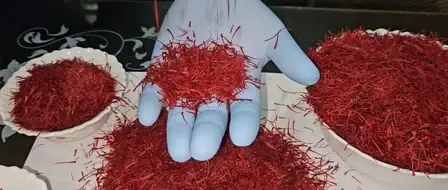
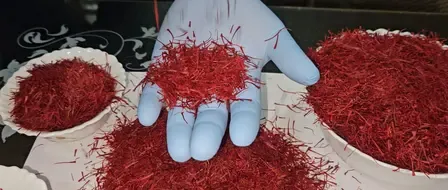
The gin uses Kashmiri saffron — often called the 'gold of spices' — as a key botanical, connecting it to one of India's most prized agricultural traditions.
A proprietary filtration step passes the spirit through intertwined golden silk filaments , which the brand says enriches it with gold ions .
The recipe includes 18 botanicals , of which 14 are sourced from different regions of India , including Kashmir, Darjeeling, Nagpur, Karnataka, and Purnia.
The product is described by the brand as double-distilled before undergoing the gold-filtration stage.
Jaisalmer Gold, an Indian craft gin, brings together Kashmiri saffron, a proprietary gold-filtration process, and 18 botanicals — 14 of them sourced from across India — to create what the brand describes as a distinctly Indian expression of festive luxury. Launched with Diwali gifting in focus, the spirit draws on rare regional ingredients and an unusual finishing technique to build a production story that goes well beyond conventional botanical gin narratives.
When Gold Is More Than a Label
The word 'Gold' in the product's name is not decorative. According to the brand, it references two specific production elements: Kashmiri saffron, long referred to as the 'gold of spices' for its rarity and value, and a special filtration stage in which the distilled spirit passes slowly through a filter made of intertwined golden silk filaments. The brand says this process enriches the gin with gold ions, contributing to what it describes as a clean, smooth, and balanced tasting profile.
The filtration is a proprietary production detail — not an addition of visible gold leaf or flakes — and is best understood as a finishing step that gives the spirit its own production identity within a crowded craft-gin market.
The Saffron Connection
Kashmiri saffron is among the world's most labour-intensive agricultural products. The delicate red threads are hand-picked from the crocus flower; estimates commonly cited in the industry suggest that between 150,000 and 250,000 flowers may be required to yield a single kilogram of saffron threads. Its rarity has long drawn comparisons with precious metals.
For Jaisalmer Gold, the ingredient is not merely symbolic. It forms part of the gin's botanical composition and connects the spirit directly to one of India's most storied growing traditions. Kashmir's saffron fields carry a long cultural and agricultural history, and the labour involved in each harvest offers, as the brand frames it, a reminder that the most prized ingredients are shaped by patience, skill, and generations of knowledge.
Eighteen Botanicals, Fourteen Indian Stories
The botanical selection spans 18 ingredients, of which 14 are sourced from different parts of India. The Indian-origin botanicals include saffron from Kashmir, rose petals and bay leaves from the Rampur Distillery garden, Darjeeling green tea, gandharaj lemon peel from Purnia, coriander from Jaisalmer, sweet orange peel from Nagpur, black pepper from Karnataka, cinnamon bark, pink pepper, nutmeg, liquorice, vetiver, and lemongrass. The remaining four botanicals — juniper berries, angelica root, caraway seeds, and cubeb pepper — provide the classic gin backbone.
Taken together, the selection maps a flavour journey across India's varied climates and growing regions: floral notes from rose petals, citrus lift from regional lemon and orange, warmth from spices, and the distinctive presence of saffron and green tea — all while retaining the juniper character that defines the category.
Craft from Distillation to Finishing
The brand describes the product as double-distilled before undergoing the gold-filtration step. In gin production, the final character emerges from a sequence of decisions — spirit base, botanical selection and balance, distillation approach, and finishing — and Jaisalmer Gold's production story positions each stage as a deliberate choice. The golden silk-filament filter, the brand says, provides the defining final chapter in that sequence.
This comes at a moment when Indian craft spirits are drawing growing attention from both domestic and international drinkers, with provenance and production transparency increasingly valued by consumers. Jaisalmer Gold's multi-regional botanical map and distinctive finishing technique position it squarely within that trend.
A Festive Gift With a Production Story
Diwali gifting has traditionally centred on gold as a symbol of value and auspiciousness. Jaisalmer Gold draws on that cultural association but grounds it in a specific production narrative: the rarity of Kashmiri saffron, the diversity of 14 Indian-sourced botanicals, and a gold-filtration process that the brand says is central to the spirit's identity. As Indian distillers increasingly draw on the country's extraordinary ingredient palette, this gin represents a broader trend of spirits rooted in regional craft — a category that is still defining its own language.
Point of View
And the production details behind the name — Kashmiri saffron, golden silk-filament filtration, 14 Indian-sourced botanicals — are more substantive than much of the craft-gin marketing that leans on vague provenance claims. The question the brand has not yet fully answered is consumer education: 'gold ions from filtration' is a specific technical claim that invites scrutiny, and the distinction between that and decorative gold additions will not be obvious to every buyer. India's craft spirits sector is growing rapidly, but it is still building the vocabulary to explain process differentiation at the shelf. Jaisalmer Gold's real opportunity is in making that production story legible, not just evocative.
NationPress
7 Nov 2026
Frequently Asked Questions
What is Jaisalmer Gold gin?
Jaisalmer Gold is an Indian craft gin made with 18 botanicals, 14 of which are sourced from across India. It is double-distilled and finished through a proprietary filtration process using intertwined golden silk filaments, which the brand says enriches the spirit with gold ions.
Why is Kashmiri saffron used in Jaisalmer Gold?
Kashmiri saffron is used as a key botanical in Jaisalmer Gold because of its rarity and deep connection to Indian agricultural heritage. Often called the 'gold of spices', it requires between 150,000 and 250,000 crocus flowers to yield a single kilogram and brings both flavour and provenance to the spirit.
What is the gold-filtration process in Jaisalmer Gold?
The gold-filtration process involves passing the distilled spirit through a filter made of intertwined golden silk filaments. The brand describes this as enriching the gin with gold ions, contributing to a smooth and balanced finish. It is a proprietary finishing step, not an addition of gold leaf or flakes.
Which Indian regions contribute botanicals to Jaisalmer Gold?
The 14 Indian-sourced botanicals come from Kashmir (saffron), the Rampur Distillery garden (rose petals, bay leaves), Darjeeling (green tea), Purnia (gandharaj lemon peel), Jaisalmer (coriander), Nagpur (sweet orange peel), and Karnataka (black pepper), among other sources.
Is Jaisalmer Gold a good Diwali gift?
The brand has positioned Jaisalmer Gold as a premium Diwali gift, drawing on the cultural association between the festival and gold. Its combination of rare Kashmiri saffron, a distinctive filtration process, and a wide range of Indian-origin botanicals gives it a production story suited to gifting contexts where provenance and craft are valued.