What Products from J&K Have Received GI Tags?
Synopsis
In a remarkable development, seven unique products from Jammu & Kashmir have been awarded Geographical Indication tags, ensuring their authenticity and market identity. With 20 more products on the horizon, this initiative aims to boost local agriculture and protect traditional practices. Discover how this recognition will elevate the region's agricultural landscape.
Key Takeaways
Seven products from Jammu and Kashmir have received GI tags.
GI tags enhance protection against imitation.
20 more products are awaiting GI registration.
GI certification boosts local branding and export potential.
Traditional cultivation practices are safeguarded.
Srinagar, Feb 15 (NationPress) Seven products from Jammu and Kashmir have received Geographical Indication (GI) tags, with an additional 20 products awaiting registration, as confirmed by officials on Sunday.
Officials noted, "In an important advancement for the agricultural and traditional product sector of Jammu and Kashmir, seven products from this Union Territory have been granted Geographical Indication or GI tags, which enhance their legal protection and market identity."
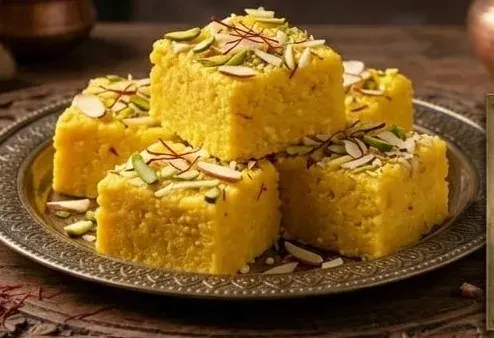
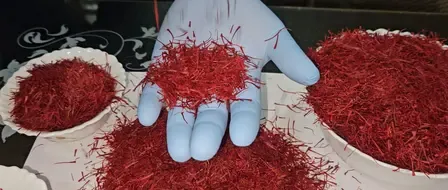
The products that have achieved GI recognition include Sulai Honey from Ramban, Bhaderwah Rajmash, Kaladi from Udhampur–Ramnagar, Basmati Rice from Jammu, Ramban Anardana, Mushqbudji Rice, and the world-renowned Kashmir Saffron.
Officials remarked: "The GI tagging will safeguard these region-specific products from imitation and unauthorized use, while boosting their branding and export prospects."
"This certification formally recognizes the unique geographical origins and traditional cultivation practices linked to these products. In addition to the seven recognized items, approximately 20 more crops and products from Jammu and Kashmir are currently being considered for GI registration, showcasing a dedicated effort to protect indigenous varieties and enhance farmer incomes."
"Meanwhile, Agricultural Universities in Jammu and Kashmir, including Sher-e-Kashmir University of Agricultural Sciences and Technology of Jammu and Sher-e-Kashmir University of Agricultural Sciences and Technology of Kashmir, have successfully registered a total of 164 patents, indicating progress in research, innovation, and agricultural technology development in the region."
"Acquiring GI tags is a significant step towards fortifying intellectual property rights in the agriculture and allied sectors, focusing on value addition and enhancing global competitiveness," officials added.
A GI tag is an intellectual property right (IPR) granted under the Geographical Indications of Goods Act, 1999, identifying products originating from specific locations, characterized by unique qualities or reputations due to their origin.
It prevents unauthorized usage, assists in marketing, and protects traditional, agricultural, or manufactured goods.
It serves as a mark on goods (like handicrafts, food, agricultural products) indicating a specific geographical origin, such as a region or town.
Point of View
The awarding of GI tags to products from Jammu and Kashmir is a commendable step towards the preservation of regional heritage and enhancement of local economies. This initiative not only safeguards the authenticity of these products but also promotes sustainable agricultural practices, aligning with the broader goal of supporting farmers and enriching the diverse cultural tapestry of India.
NationPress
21 Sept 2026
Frequently Asked Questions
What are Geographical Indication tags?
Geographical Indication tags are intellectual property rights that identify products originating from specific locations, attributed with unique qualities due to their geographical origin.
How do GI tags help local farmers?
GI tags protect local products from imitation, enhance market identity, and improve branding and export potential, ultimately benefiting local farmers' incomes.
What products from J&K received GI tags?
The products include Sulai Honey, Bhaderwah Rajmash, Kaladi, Basmati Rice, Ramban Anardana, Mushqbudji Rice, and Kashmir Saffron.
Why are GI tags important?
GI tags prevent unauthorized use, aid in marketing, and protect traditional goods, ensuring that the unique characteristics associated with their origin are maintained.
How many products from J&K are in the pipeline for GI registration?
Currently, around 20 additional products from Jammu and Kashmir are being considered for GI registration.