Jharkhand GI tags 2025: 11 products including Tussar silk, kalakand recognised
Synopsis
From a single GI tag in 2019 to 12 by mid-2025 — Jharkhand's latest batch of 11 recognised products, spanning Tussar silk sarees, Dokra craft, tribal jewellery, and the iconic Koderma kalakand, marks the state's most ambitious push yet to put its artisanal heritage on the national and global map.
Key Takeaways
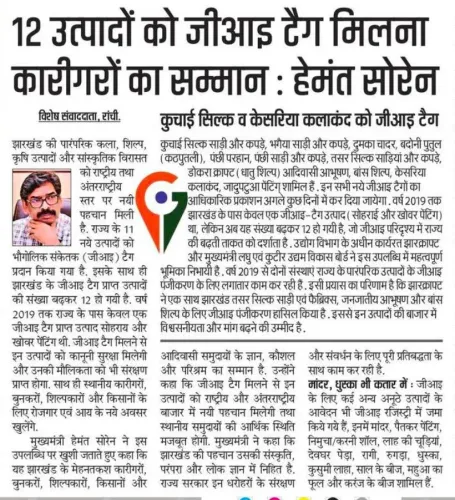
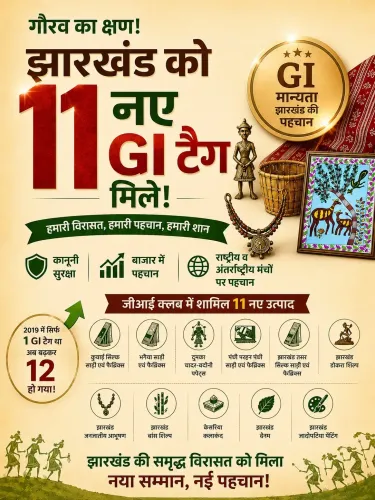
11 products from Jharkhand received GI tags on 17 June 2025 , taking the state's total to 12 .
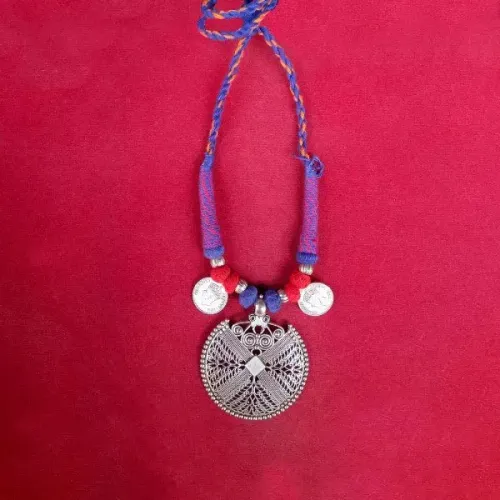
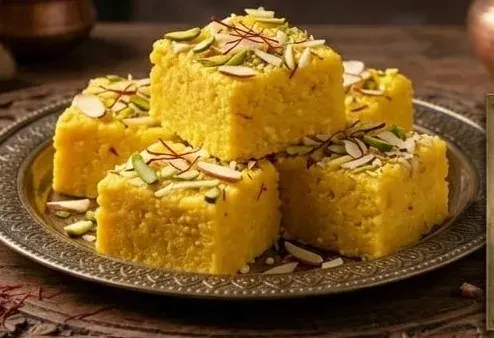
Tagged products include Jharkhand Tussar silk saree , Dokra craft , tribal jewellery , Jadopatia painting , and Koderma kesariya kalakand .
Chief Minister Hemant Soren noted the state had only one GI-tagged product in 2019 .
NABARD played a significant role in facilitating the GI tagging process.
GI tags under India's 1999 Act are valid for 10 years and provide legal protection against duplication.
Additional products including mandar , Deoghar peda , and dhuska are reportedly in the pipeline for future GI recognition.
Jharkhand received a major cultural and economic milestone on 17 June 2025 as 11 traditional products — spanning silk textiles, tribal crafts, jewellery, and food — were granted Geographical Indication (GI) tags, taking the state's total GI-tagged portfolio to 12 products. The recognition is expected to open national and international markets for local artisans, weavers, and tribal communities.
The 11 Newly Tagged Products
The products awarded GI status include Kuchai silk saree and fabrics, Bhagaiya saree and fabrics, Dumka chadars, Panchi parhan–Panchi saree and fabrics, Jharkhand Tussar silk saree and fabrics, Jharkhand Dokra craft, tribal jewellery of Jharkhand, bamboo craft, Koderma (Jhumri Tilaiya) kesariya kalakand, Jharkhand Benu, and Jadopatia painting. Together, they represent the breadth of the state's artisanal and agricultural heritage — from hand-woven silks to distinctive folk art traditions.
What Chief Minister Hemant Soren Said
Chief Minister Hemant Soren described the development as a matter of pride for Jharkhand, saying the recognition reflects 'years of effort, skill and traditional knowledge of artisans, weavers, farmers and tribal communities.' He noted that in 2019, the state had only one GI-tagged product; that number has now grown to 12 — a twelvefold increase in under six years.
Soren also confirmed that efforts are underway to secure GI tags for additional products, including traditional instruments such as the mandar, Paithkar painting, Nimucha shawl, Deoghar peda, Kusumi lac, lac bangles, sal seeds, mahua flowers, karanj seeds, ragi, rugra, and dhuska.
Role of NABARD and Legal Framework
The National Bank for Agriculture and Rural Development (NABARD) played a significant role in facilitating the GI tagging process, according to the state government. In India, GI tags are governed under the Geographical Indications of Goods (Registration and Protection) Act, 1999. A tag is valid for 10 years and can be renewed, providing legal protection against duplication and establishing a distinct market identity for the product.
Impact on Artisans and the Rural Economy
Experts believe the GI recognition will help artisans, weavers, craftsmen, and farmers command better prices and access new export channels. The state government has said the tags will strengthen the rural economy and promote the preservation of traditional knowledge and crafts. This comes amid a broader national push to leverage GI tags as tools for rural livelihood enhancement and heritage conservation.
With a pipeline of additional products awaiting recognition, Jharkhand appears set to further expand its GI footprint in the coming years.
Point of View
But the harder work begins now. A GI tag is a legal instrument, not a market guarantee — without sustained investment in branding, retail linkages, and export facilitation, artisans risk seeing the recognition remain symbolic. The inclusion of NABARD signals institutional intent, but the pipeline of a dozen-plus additional products awaiting tagging suggests the state is prioritising breadth over depth. Whether these tags translate into measurable income gains for tribal weavers and craftspeople will depend on follow-through that past GI programmes across India have often failed to deliver.
NationPress
19 Sept 2026
Frequently Asked Questions
Which 11 products from Jharkhand received GI tags in 2025?
The 11 products are Kuchai silk saree and fabrics, Bhagaiya saree and fabrics, Dumka chadars, Panchi parhan–Panchi saree and fabrics, Jharkhand Tussar silk saree and fabrics, Jharkhand Dokra craft, tribal jewellery of Jharkhand, bamboo craft, Koderma (Jhumri Tilaiya) kesariya kalakand, Jharkhand Benu, and Jadopatia painting. Together they take Jharkhand's total GI-tagged products to 12.
What is a GI tag and how long is it valid?
A Geographical Indication (GI) tag provides legal protection to a product based on its geographical origin and unique characteristics, governed in India by the Geographical Indications of Goods (Registration and Protection) Act, 1999. It is valid for 10 years and can be renewed, and it prevents unauthorised duplication of the product.
How many GI tags did Jharkhand have before this recognition?
Jharkhand had only one GI-tagged product as of 2019, according to Chief Minister Hemant Soren. The addition of 11 new products brings the state's total to 12, representing a twelvefold increase in under six years.
Who will benefit from Jharkhand's new GI tags?
Artisans, weavers, craftsmen, farmers, and tribal communities across Jharkhand are expected to benefit through legal protection against duplication, better price realisation, and improved access to national and international markets. The state government says the tags will also strengthen the rural economy.
What products are next in line for GI recognition in Jharkhand?
Chief Minister Hemant Soren has said the state is pursuing GI tags for additional products including the mandar (traditional instrument), Paithkar painting, Nimucha shawl, Deoghar peda, Kusumi lac, lac bangles, sal seeds, mahua flowers, karanj seeds, ragi, rugra, and dhuska.