Japan reaffirms ₹10 trillion yen India investment over next decade
Synopsis
Japan's Finance Minister didn't just reaffirm a 10 trillion yen pledge — she called the India-Japan partnership potentially 'the most important relationship in the world.' With semiconductors, critical minerals, digital governance, and Maruti Suzuki's record FY25 output all on the table, this conclave signals a decisive shift from aid-driven ties to a full-spectrum strategic alliance.
Key Takeaways
Japan has reaffirmed a 10 trillion yen investment commitment in India over the next decade, first agreed at the 2025 India-Japan summit .
Japanese Finance Minister Satsuki Katayama described the bilateral partnership as potentially 'the most important relationship in the world.' Investment will focus on infrastructure , semiconductors , artificial intelligence , and advanced manufacturing .
India remains the largest recipient of Japanese yen loans , with Japan backing the Delhi Metro and multiple industrial corridors.
Maruti Suzuki recorded production of 2.35 million vehicles and exports of 4.48 lakh units in FY25 .
Suzuki Motor Corporation announced the Next Bharat Ventures initiative to support Indian entrepreneurs and rural businesses.
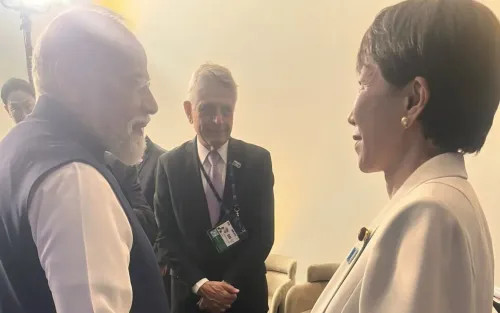
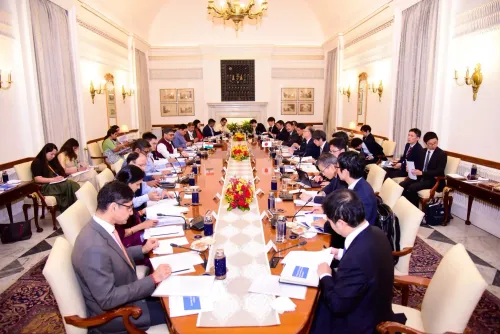
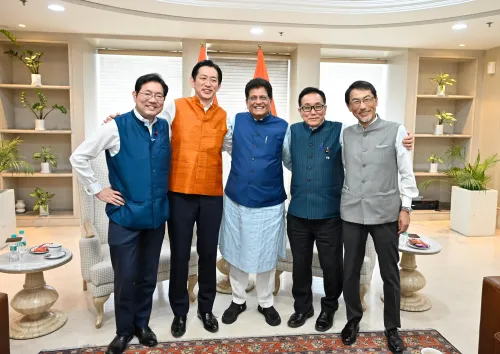
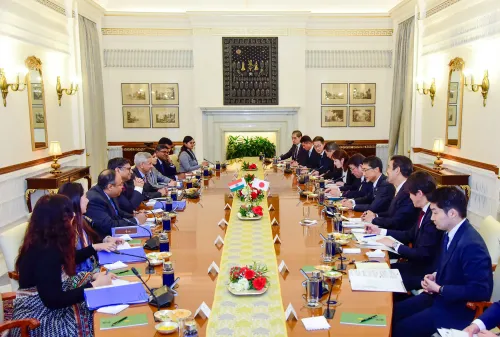
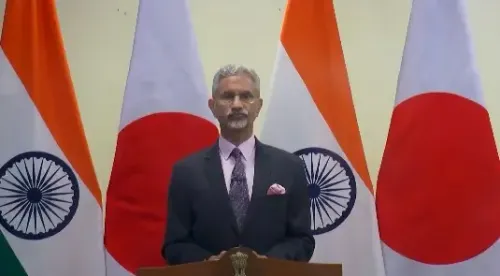
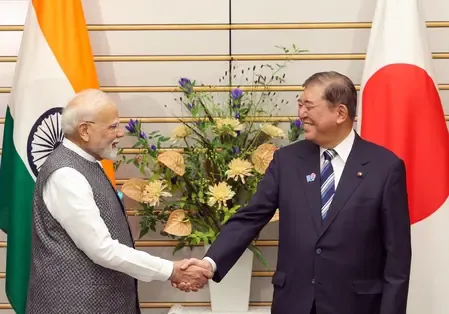
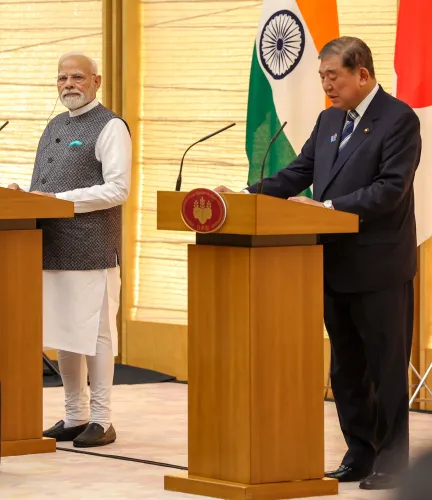
Japan has reaffirmed its commitment to invest 10 trillion yen in India over the next decade, with Japanese Finance Minister Satsuki Katayama describing the bilateral partnership as one that could become 'the most important relationship in the world.' The pledge, originally agreed during the 2025 India-Japan summit, was reiterated at the Rising India 2 India-Japan Business Conclave in New Delhi on 27 June.
Investment Priorities and Strategic Pillars
Addressing the conclave, Minister Katayama said the investment target would channel capital into infrastructure, semiconductors, artificial intelligence, and advanced manufacturing — sectors central to India's long-term economic ambitions. She noted that India remains the largest recipient of Japanese yen loans, with Japan backing marquee projects such as the Delhi Metro and multiple industrial corridors across the country.
Critical Minerals and Energy Security
Katayama highlighted economic security as a growing pillar of the bilateral relationship. India and Japan are actively working to diversify critical mineral supply chains and reduce dependence on any single country — a clear reference to the broader geopolitical push to de-risk from China-dominated supply networks. She also pointed to Japan's support for energy and resource security initiatives across Asia, signalling a strategic alignment that extends well beyond trade.
Digital Governance and Modi's Leadership
In an interaction following her address, Katayama praised Prime Minister Narendra Modi, calling him 'a great leader,' and expressed Japan's keen interest in deepening cooperation in digital governance. She specifically cited India's Aadhaar digital identity system as a model worthy of closer study, underscoring the breadth of the partnership beyond conventional infrastructure financing.
Maruti Suzuki's Record Output and Next Bharat Ventures
Suzuki Motor Corporation President Toshihiro Suzuki also addressed the conclave, reaffirming the company's long-term commitment to India. He cited Maruti Suzuki's record production of 2.35 million vehicles and exports of approximately 4.48 lakh units in FY25 as evidence of deepening industrial ties. The company outlined a multi-pathway mobility strategy spanning electric vehicles, hybrids, CNG, biofuels, and biogas. Suzuki also announced the Next Bharat Ventures initiative, aimed at supporting Indian entrepreneurs and rural and agricultural businesses as part of the country's next growth phase.
What This Means for India-Japan Ties
This comes amid a broader realignment of Asian economic partnerships, with both countries seeking to anchor supply chains and strategic investments outside single-country dependencies. Notably, the conclave's tone — from finance to digital governance to mobility — signals that the India-Japan relationship is evolving from a donor-recipient dynamic into a more reciprocal strategic partnership. The next phase of disbursements and project commitments under the 10 trillion yen framework will be closely watched by industry and policymakers alike.
Point of View
But the more telling signal at this conclave was the breadth of sectors covered — from critical minerals to Aadhaar-style digital governance. That range suggests Japan is positioning itself as a systemic partner, not merely a project financier. The critical mineral supply chain push, in particular, reflects a shared strategic calculus about China dependency that neither side names directly but both are clearly acting on. Whether the investment commitments translate into on-ground disbursements at pace — historically a weak point in large bilateral pledges — will determine whether this partnership lives up to its 'most important relationship' billing.
NationPress
27 Jun 2026
Frequently Asked Questions
What is Japan's 10 trillion yen investment commitment to India?
Japan has pledged to invest 10 trillion yen in India over the next decade, a target first agreed during the 2025 India-Japan summit. The investment is directed at infrastructure, semiconductors, artificial intelligence, and advanced manufacturing.
Who is Satsuki Katayama and what did she say at the conclave?
Satsuki Katayama is Japan's Finance Minister. At the Rising India 2 India-Japan Business Conclave in New Delhi on 27 June, she reaffirmed the investment pledge and described the India-Japan bilateral relationship as one that could become 'the most important relationship in the world.'
Why are India and Japan focusing on critical mineral supply chains?
Both countries are working to diversify critical mineral supply chains and reduce dependence on any single country — a strategic response to the concentration of global mineral supply in a small number of nations. Japan has also extended this cooperation to energy and resource security initiatives across Asia.
What did Maruti Suzuki announce at the India-Japan conclave?
Suzuki Motor Corporation President Toshihiro Suzuki highlighted Maruti Suzuki's record production of 2.35 million vehicles and exports of approximately 4.48 lakh units in FY25. He also announced the Next Bharat Ventures initiative to support Indian entrepreneurs, agriculture, and rural businesses.
What is India's role in Japan's yen loan programme?
India is the largest recipient of Japanese yen loans globally. Japan has used this mechanism to fund major Indian infrastructure projects, including the Delhi Metro and several industrial corridors, making it one of the most active bilateral development finance relationships in Asia.