Jharkhand turns power-surplus as PVUNL's second 800 MW unit goes live
Synopsis
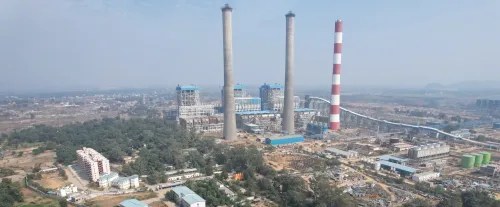
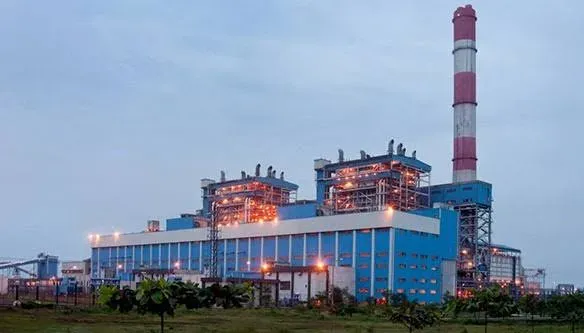
Jharkhand has quietly joined India's power-surplus club. With PVUNL's second 800 MW Patratu unit now live, the state commands 3,885 MW against a 3,000 MW demand — and a 600 MW cushion it can now monetise on power exchanges. A third 800 MW unit is still to come, pointing to a structural shift in one of India's historically power-deficient states.
Key Takeaways
PVUNL's second 800 MW unit at Patratu commenced commercial operations on the intervening night of Wednesday-Thursday, 25 June 2025 .
Jharkhand now receives 1,360 MW from the Patratu project alone, with 680 MW each from the two operational units.
Total power availability in the state has reached approximately 3,885 MW against an average demand of 3,000 MW , yielding a surplus of nearly 600 MW .
PVUNL is a joint venture of NTPC (74%) and JBVNL (26%), targeting an eventual capacity of 4,000 MW at Patratu.
A third 800 MW unit is expected to begin production in the coming months, completing Phase 1's 2,400 MW target.
The plant uses supercritical technology , air-cooled condensers, and a 100% dry ash handling system to limit environmental impact.
Jharkhand crossed a significant energy milestone on the intervening night of Wednesday and Thursday, 25 June 2025, as the second 800 MW unit of the Patratu Vidyut Utpadan Nigam Limited (PVUNL) commenced commercial operations, officials confirmed. The development pushes Jharkhand into the ranks of power-surplus states — a status that eluded it for decades.
How the Numbers Stack Up
Of the 800 MW generated by the newly operational unit, 85 per cent — approximately 680 MW — is allocated to Jharkhand. The first 800 MW unit, which began operations in November 2025, already supplies an identical 680 MW to the state. Combined, the two Patratu units now deliver 1,360 MW to Jharkhand.
According to data from the state Energy Department, Jharkhand's average electricity demand currently stands at around 3,000 MW, while total availability — factoring in both Patratu units and other sources — has reached approximately 3,885 MW. That leaves a surplus of nearly 600 MW over requirement, excluding distribution losses.
Revenue Opportunity in Surplus Power
Energy sector experts note that the roughly 600 MW surplus can be traded on power exchanges during non-peak hours, generating additional state revenue. This comes at a time when several Indian states remain net buyers of expensive short-term power, giving Jharkhand a competitive edge in bilateral energy trading.
About PVUNL and the Patratu Project
PVUNL is a joint venture between NTPC and the Jharkhand Bijli Vitran Nigam Limited (JBVNL), with NTPC holding a 74 per cent stake and JBVNL the remaining 26 per cent. The long-term vision for the Patratu project is a total generation capacity of 4,000 MW.
Under the ongoing first phase, three units of 800 MW each — totalling 2,400 MW — are being established. With two units now live, the third is expected to commence production in the coming months, further strengthening the state's generation base.
Technology and Environmental Design
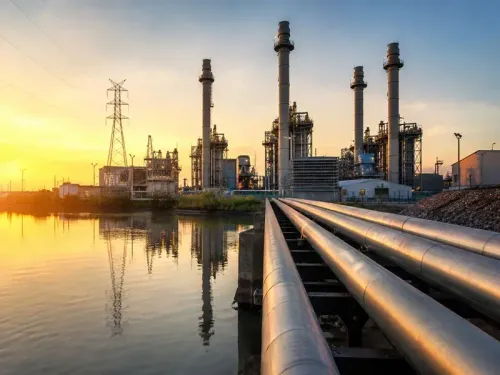
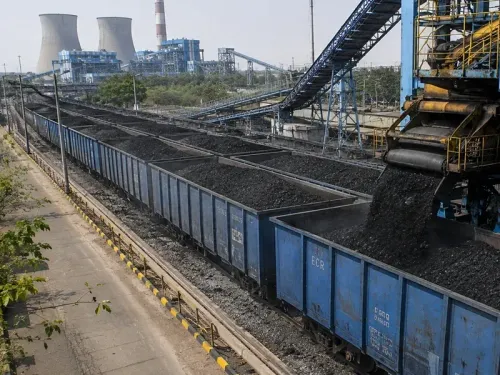
The plant employs advanced supercritical technology, which improves thermal efficiency and reduces per-unit carbon emissions compared to conventional subcritical units. To minimise environmental impact, the facility incorporates air-cooled condensers and a 100 per cent dry ash handling system. Coal is sourced from the Banahardi coal block in Latehar, while water supply is drawn from the Patratu dam.
Broader Impact on Jharkhand's Economy
Experts say reliable and surplus power will strengthen electricity supply across all districts of the state, reduce dependence on costly short-term purchases from outside Jharkhand, and provide stable energy to industries. A more dependable power infrastructure, they argue, is expected to attract fresh investment and generate employment opportunities in the state. This is the most significant upgrade to Jharkhand's power generation capacity in recent years.
Point of View
Not just a headline number — but the real test begins now. Surplus power means little if the state lacks the trading infrastructure and bilateral agreements to monetise that 600 MW during off-peak hours. More critically, the third Patratu unit will push availability even higher; without commensurate industrial demand growth, the surplus risks becoming a stranded asset. Jharkhand must pair generation gains with aggressive investment-attraction in energy-intensive sectors — minerals processing, steel, and data centres — or the surplus will quietly erode into distribution losses.
NationPress
23 Sept 2026
Frequently Asked Questions
What is the PVUNL Patratu power project in Jharkhand?
PVUNL (Patratu Vidyut Utpadan Nigam Limited) is a joint venture between NTPC (74%) and JBVNL (26%) to develop a 4,000 MW power plant at Patratu in Jharkhand. The first phase involves three 800 MW units totalling 2,400 MW, of which two are now operational.
How does the second 800 MW unit make Jharkhand a power-surplus state?
With both Patratu units supplying a combined 1,360 MW and other sources contributing additional power, Jharkhand's total availability has reached approximately 3,885 MW against an average demand of 3,000 MW — a surplus of nearly 600 MW. This surplus qualifies the state as power-self-reliant and capable of selling excess electricity.
When did the first and second PVUNL units begin operations?
The first 800 MW unit began operations in November 2025, while the second 800 MW unit commenced commercial operations on the intervening night of Wednesday and Thursday, 25 June 2025.
What happens to the surplus 600 MW of power in Jharkhand?
Energy sector experts say the surplus power can be sold on power exchanges during non-peak hours, generating additional revenue for the state. This reduces Jharkhand's need to purchase costly short-term power from outside.
What technology does the Patratu power plant use?
The plant uses advanced supercritical technology, which offers higher thermal efficiency and lower emissions than conventional units. It also features air-cooled condensers and a 100% dry ash handling system to reduce environmental impact, with coal sourced from the Banahardi coal block in Latehar.