CM Sukhu: HP a Power-Surplus State, Signs Punjab Deal
Synopsis
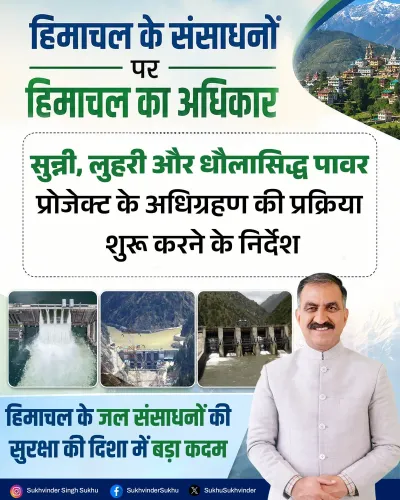
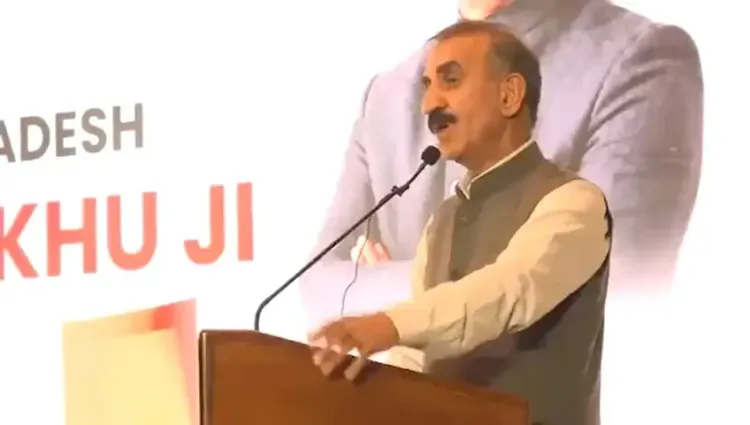
Chief Minister Sukhvinder Singh Sukhu announced on 19 July 2026 that Himachal Pradesh has signed a three-year power supply deal with Punjab and is pursuing its 7.19 per cent share in Chandigarh, including a meeting with the Governor to advance the state's claim.
Key Takeaways
CM Sukhvinder Singh Sukhu declared Himachal Pradesh a power-surplus state on 19 July 2026 .
A three-year electricity supply agreement has been signed with Punjab .
Himachal Pradesh claims a 7.19 per cent share in Chandigarh and is actively pursuing it.
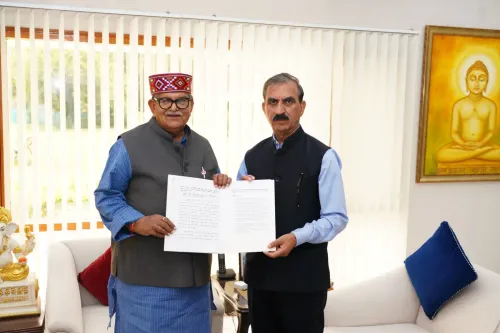
The Chief Minister met the Governor to formally advance the Chandigarh share claim.
The Chandigarh share dispute originates from the Punjab Reorganisation Act, 1966 .
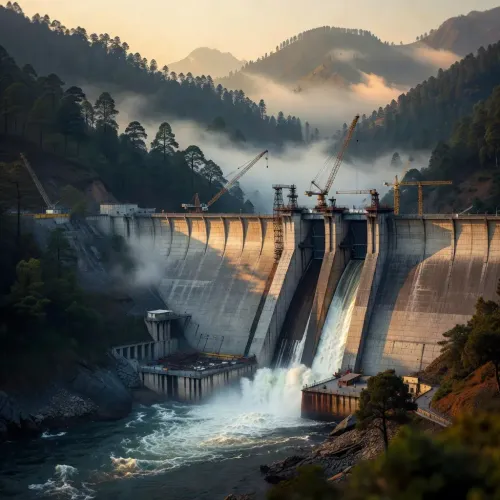
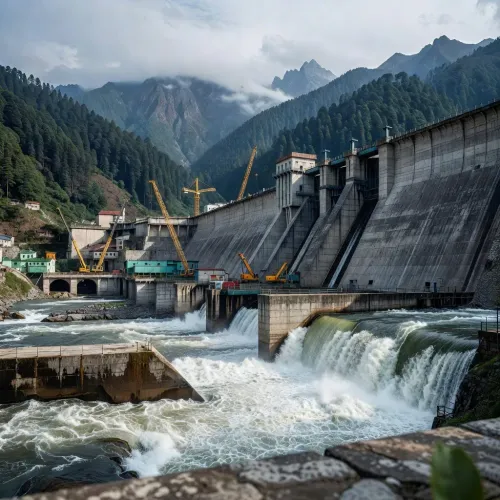
The state's hydroelectric capacity on rivers like the Sutlej and Beas underpins its surplus power position.
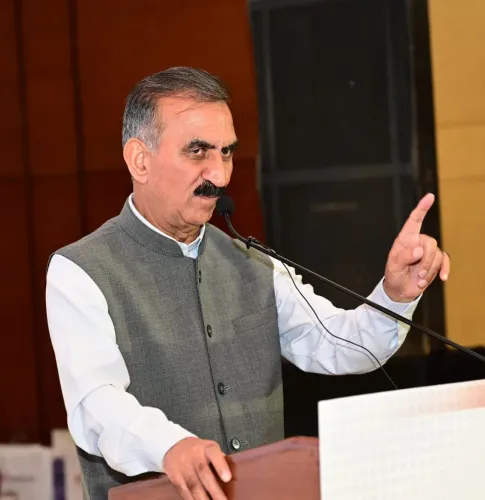
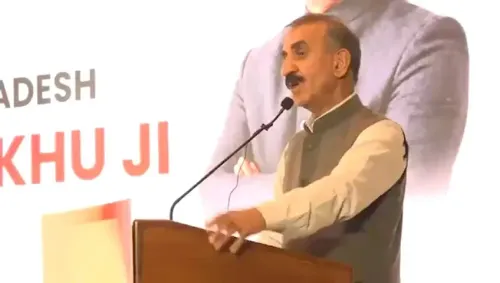
Himachal Pradesh Chief Minister Sukhvinder Singh Sukhu declared on Sunday, 19 July 2026 that the state is power-surplus and has recently concluded a three-year electricity supply agreement with neighbouring Punjab. He also confirmed that the state is actively pursuing its 7.19 per cent share in Chandigarh and has met the Governor in this regard.
Context
Posting in Hindi on X, CM Sukhu stated: 'हम बिजली सरप्लस राज्य हैं' ('We are a power-surplus state'). He said a recent agreement with Punjab commits Himachal Pradesh to supply electricity to the neighbouring state for three years. The Chief Minister also flagged the state's claim over Chandigarh, noting: 'हम अपने अधिकार को प्राप्त करने का प्रयास कर रहे हैं' ('We are making efforts to secure our rights').
He added that in this context, he had met the Governor to advance the state's position on the Chandigarh share.
Policy Backdrop
Himachal Pradesh draws its power-surplus status from an extensive fleet of hydroelectric projects on rivers such as the Sutlej and Beas. The state has historically been a net exporter of electricity, concluding bilateral power purchase agreements with neighbouring states to balance seasonal hydro surpluses.
The Himachal Pradesh claim over a share in Chandigarh traces back to the Punjab Reorganisation Act, 1966, which created the framework for allocating power shares, river projects, and other infrastructure assets among Himachal Pradesh, Punjab, Haryana, and the newly formed Union Territory of Chandigarh. Residual claims arising from that reorganisation have remained a recurring point of inter-state negotiation for over five decades. The Bhakra Beas Management Board (BBMB) administers several key projects in this shared river basin under the broader federal mechanism of regional power grids.
Stakeholders and Impact
The three-year power supply pact is expected to benefit Punjab electricity consumers, particularly during peak summer demand when thermal generation costs are high. For Himachal Pradesh, monetising surplus hydro capacity through such agreements is a key revenue lever for the state exchequer.
Chandigarh residents and administrators stand to be affected by any resolution of the 7.19 per cent share claim, which could influence the Union Territory's power allocation and infrastructure revenue. The Governor's involvement signals that the matter has been formally escalated through constitutional channels.
What's Next
Attention will now turn to the formalisation of the three-year supply commitment with Punjab, including any regulatory clearances required from the central power ministry or grid authorities. The Chandigarh share claim, having been raised with the Governor, may be referred to the Ministry of Home Affairs or relevant central agencies for adjudication.
If Himachal Pradesh succeeds in asserting its 7.19 per cent Chandigarh entitlement, it could set a precedent for revisiting other unresolved allocations from the 1966 reorganisation and strengthen the state's position in future inter-state resource negotiations.
Point of View
The Chief Minister signals a shift from informal negotiation to formal, constitutional escalation — a move that carries political weight for a Congress-led government seeking to demonstrate assertiveness on inter-state resource rights. The three-year Punjab deal, meanwhile, positions Himachal Pradesh as a reliable regional energy partner, which could strengthen its hand in future tariff and allocation negotiations. Together, the moves reflect a broader Congress strategy of leveraging state resource assets to build both revenue and political credibility ahead of future electoral cycles.
NationPress
18 Oct 2026
Frequently Asked Questions
What is the Himachal Pradesh and Punjab electricity agreement about?
Himachal Pradesh has signed an agreement to supply electricity to Punjab for three years, leveraging the hill state's hydroelectric surplus to meet Punjab's power demand.
What is Himachal Pradesh's 7.19 per cent share in Chandigarh?
Himachal Pradesh claims a 7.19 per cent share in Chandigarh's infrastructure and resources, a right tracing back to the Punjab Reorganisation Act of 1966 that divided assets among the successor states and the new Union Territory.
Why did CM Sukhu meet the Governor over Chandigarh?
CM Sukhu met the Governor to formally raise and advance Himachal Pradesh's claim to its 7.19 per cent share in Chandigarh, escalating the matter through constitutional channels.
Is Himachal Pradesh a power-surplus state?
Yes, Himachal Pradesh is a power-surplus state due to its large hydroelectric generation capacity from projects on rivers such as the Sutlej and Beas, making it a net electricity exporter.
What is the Punjab Reorganisation Act of 1966?
The Punjab Reorganisation Act, 1966 is the central legislation that divided the erstwhile Punjab state into Punjab, Haryana, and Himachal Pradesh, and created the Union Territory of Chandigarh, laying out the framework for sharing power, water, and other assets among the successor entities.