HP CM Office: State to Supply Power to Punjab for 3 Years
Synopsis
Himachal Pradesh has signed a three-year electricity supply agreement with Punjab, leveraging its hydro surplus. The state is also pressing its 7.19 per cent claim in Chandigarh, with the Chief Minister meeting the Governor to advance the long-pending statutory entitlement.
Key Takeaways
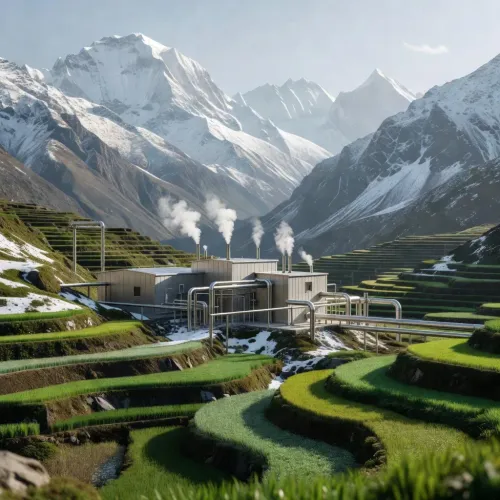
Himachal Pradesh describes itself as a power-surplus state and has formalised a three-year electricity supply deal with Punjab .
The state holds a 7.19 per cent share in Chandigarh and is actively working to realise that entitlement under the Punjab Reorganisation Act, 1966 .
The Chief Minister has already met the Governor to press the Chandigarh claim, indicating escalation to the constitutional level.
Power-sharing arrangements in the region are overseen by the Bhakra Beas Management Board (BBMB) , a statutory body governing hydel allocations since the late 1960s.
The bilateral deal fits a broader northern-India pattern of negotiated power trading to balance Himachal's hydro surplus against plains-state demand.
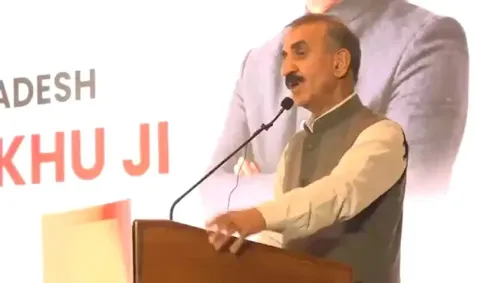
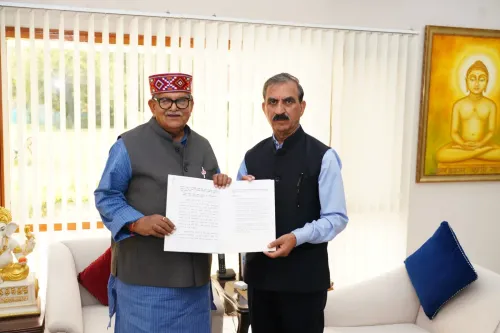
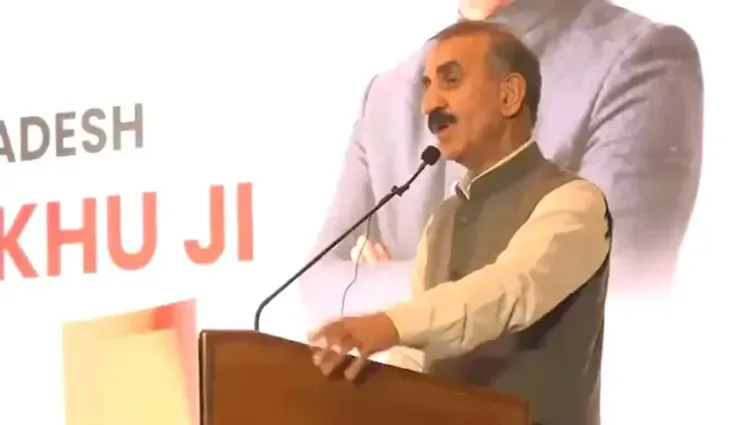
The Chief Minister's Office of Himachal Pradesh announced on Sunday, 19 July 2026 that the state has concluded a power-supply agreement with Punjab, under which Himachal Pradesh will provide electricity to its neighbouring state for a period of three years. The announcement also flagged an active effort to secure the state's 7.19 per cent share in Chandigarh, with the Chief Minister having met the Governor on the matter.
Context
In a post on X, the Chief Minister's Office stated: 'hum bijli surplus rajya hain' ('We are a power-surplus state'). The office confirmed that a formal agreement with Punjab has been reached in the days preceding the post, committing Himachal Pradesh to supply electricity for three years. The statement positions the deal as a natural extension of the state's hydroelectric abundance rather than an emergency arrangement.
The post further noted that the state holds a 7.19 per cent stake in Chandigarh and is actively working to realise that entitlement. The Chief Minister's Office confirmed that the Chief Minister has already met the Governor in this regard, signalling that the claim has been escalated to the constitutional authority.
Policy Backdrop
The roots of both developments lie in the Punjab Reorganisation Act, 1966, which prescribed the division of assets — including power entitlements and shares in common infrastructure — among successor states and the Union Territory of Chandigarh. Himachal Pradesh's claim to a portion of Chandigarh's assets flows directly from that statutory framework.
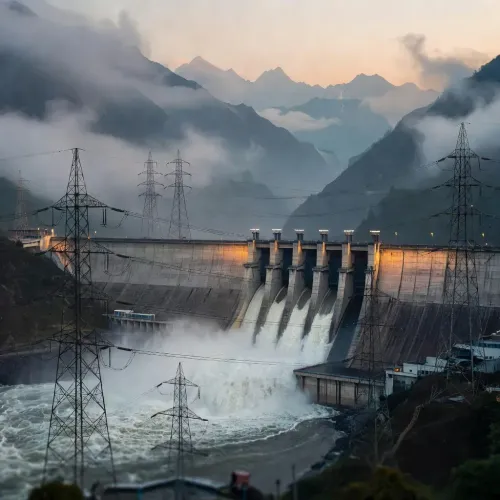
Power trading between Himachal Pradesh and Punjab is a recurring feature of northern India's electricity management. The Bhakra Beas Management Board (BBMB), the statutory body overseeing the Bhakra-Nangal and Beas river-valley projects, governs the allocation of hydel power across Himachal Pradesh, Punjab, Haryana, Rajasthan, and Chandigarh under protocols dating to the late 1960s. Bilateral short-term supply deals of the kind now announced are consistent with this long-standing federal practice of managing river-basin electricity through negotiated quotas.
Stakeholders and Impact
For Punjab, the three-year supply arrangement provides a degree of energy security from a reliable hydro source, particularly during periods of peak agricultural and industrial demand in the plains. Consumers and utilities in Punjab stand to benefit from a stable, negotiated supply that supplements the state's own generation mix.
For Himachal Pradesh, the deal monetises its hydro surplus and strengthens bilateral ties with a neighbouring state. The parallel push on the Chandigarh share reflects a broader assertion of the state's statutory rights — a matter of both fiscal significance and federal principle for the hill state's government.
What's Next
Observers will watch for the formal notification of the three-year power-supply agreement, including its volume, pricing, and scheduling terms. The outcome of the Chief Minister's meeting with the Governor — and any subsequent reference of the 7.19 per cent Chandigarh claim to the central power ministry or the BBMB — will determine how quickly the state can translate its constitutional entitlement into tangible revenues. If the Chandigarh claim advances through formal channels, it could set a precedent for the resolution of other long-pending asset-sharing disputes among the states carved out of the pre-1966 Punjab.
Point of View
One constitutional. The three-year Punjab deal is a straightforward exercise in monetising Himachal's hydroelectric advantage, but the simultaneous move on the Chandigarh share is politically weightier — it revives a claim rooted in the 1966 reorganisation that successive governments have left dormant. By meeting the Governor, the Chief Minister is signalling that the Chandigarh issue will be pursued through formal federal channels rather than quiet negotiation. If the claim gains traction, it could reopen the broader question of unresolved asset-sharing obligations among the states that emerged from the old Punjab.
NationPress
18 Oct 2026
Frequently Asked Questions
Why is Himachal Pradesh considered a power-surplus state?
Himachal Pradesh generates substantial electricity from its hydroelectric projects on Himalayan rivers, consistently producing more power than it consumes domestically, which allows it to sell surplus electricity to neighbouring states.
What is the Himachal Pradesh-Punjab power agreement about?
Himachal Pradesh has signed a three-year agreement to supply electricity to Punjab, leveraging its hydro surplus to meet Punjab's demand, as announced by the Chief Minister's Office on 19 July 2026.
What is Himachal Pradesh's 7.19 per cent share in Chandigarh?
Under the Punjab Reorganisation Act, 1966, assets of the erstwhile Punjab — including a stake in Chandigarh — were divided among successor states; Himachal Pradesh holds a 7.19 per cent entitlement that it is now seeking to formally realise.
What is the Bhakra Beas Management Board and how does it relate to this?
The Bhakra Beas Management Board is a statutory body that manages the Bhakra-Nangal and Beas river-valley projects and governs hydel power allocation among Himachal Pradesh, Punjab, Haryana, Rajasthan, and Chandigarh under protocols established in the late 1960s.
Why did the Himachal Pradesh Chief Minister meet the Governor over Chandigarh?
The Chief Minister met the Governor to formally raise the state's claim to its 7.19 per cent share in Chandigarh, escalating the matter to the constitutional authority as part of efforts to secure the state's statutory entitlements.