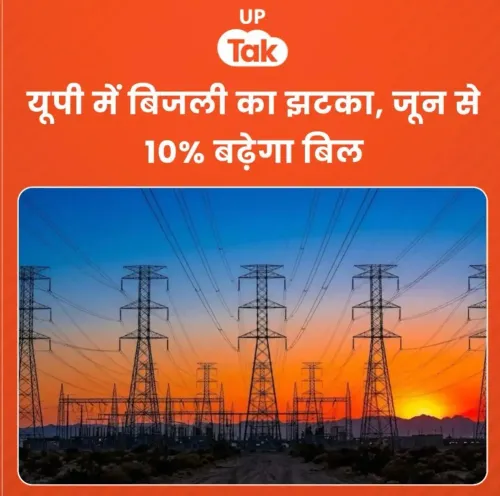
UPPCL imposes 10% fuel surcharge on UP power bills in June
Synopsis
UPPCL has slapped a 10% fuel surcharge on June electricity bills — hitting every consumer category in UP at the worst possible time. With temperatures crossing 45°C, demand up 5,000 MW, and supply infrastructure already strained, consumers are paying more for power that, in many districts, isn't even arriving reliably.
Key Takeaways
UPPCL has notified a 10 per cent FPPAS on electricity bills for June 2025 , effective across all consumer categories.
The surcharge recovers additional power procurement and transmission costs incurred in March .
Uttar Pradesh is experiencing a severe heatwave with temperatures exceeding 45 degrees Celsius in multiple districts.
Electricity demand in the state has surged by nearly 5,000 MW compared to previous years.
Transmission infrastructure expansion has not kept pace with rising demand, officials acknowledge.
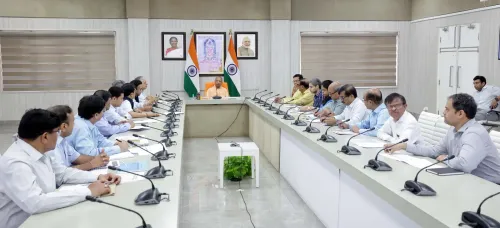
The Uttar Pradesh Power Corporation Limited (UPPCL) has formally notified a 10 per cent Fuel and Power Purchase Adjustment Surcharge (FPPAS) on electricity bills for June, affecting consumers across all categories in the state. The surcharge, announced via an order dated 29 May, is designed to recover additional expenditure on power procurement and transmission costs under regulations framed by the Uttar Pradesh Electricity Regulatory Commission (UPERC).
What the Surcharge Covers
According to the official order, the 10 per cent increase corresponds to power procurement costs incurred in March and will be recovered through bills issued in June. The FPPAS mechanism exists to compensate electricity distribution companies for fluctuations in fuel prices and the rising cost of purchasing power from multiple sources. This is a regulatory instrument — not a tariff revision — and applies uniformly to domestic, commercial, and industrial consumers alike.
The Heatwave Context
The timing of the surcharge is significant. Several districts across Uttar Pradesh are currently enduring prolonged power outages during an intense heatwave that has pushed temperatures beyond 45 degrees Celsius. Households, commercial establishments, and industries have sharply increased their reliance on cooling appliances and electrical equipment, driving electricity demand up by nearly 5,000 MW compared to previous years, according to officials.
Infrastructure Gap
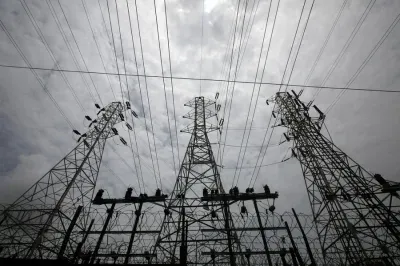
Although UPPCL has expanded its transmission infrastructure and enhanced power transmission capacity in recent years, officials acknowledge that this growth has not kept pace with the rapidly rising consumer demand. The widening gap between supply capacity and peak-load requirements has contributed to the procurement cost pressures that the FPPAS is now being used to offset.
Impact on Consumers
For consumers already grappling with higher electricity usage due to the summer heat, the additional surcharge translates into a direct increase in monthly bills. The burden falls equally on all consumer categories — residential users, small businesses, and large industrial units — with no exemptions announced as of the order date. Consumer advocacy groups are likely to scrutinise whether the March cost escalation warranted the full 10 per cent levy, given the simultaneous supply shortfalls in the state.
With peak summer demand yet to fully subside and power procurement costs remaining elevated, further FPPAS adjustments in subsequent months cannot be ruled out.
Point of View
Designed as a transparent pass-through, risks becoming a political flashpoint if the state government does not pair the surcharge notice with a credible supply-improvement timeline. The infrastructure gap acknowledged by officials is not new; it has widened across successive summers, and the 5,000 MW demand overshoot suggests that capacity planning has consistently underestimated Uttar Pradesh's cooling load.
NationPress
23 Sept 2026
Frequently Asked Questions
What is the UPPCL fuel surcharge on June electricity bills?
UPPCL has imposed a 10 per cent Fuel and Power Purchase Adjustment Surcharge (FPPAS) on electricity bills for June 2025, recovering additional procurement and transmission costs from March. It applies to all consumer categories — domestic, commercial, and industrial.
Why has UPPCL imposed the fuel surcharge now?
The surcharge is being levied to recover the higher cost of purchasing electricity and managing transmission during March, as permitted under Uttar Pradesh Electricity Regulatory Commission regulations. Rising fuel prices and increased power procurement from multiple sources drove up distribution company expenditure.
Who is affected by the 10 per cent surcharge in Uttar Pradesh?
All electricity consumers in Uttar Pradesh — residential households, commercial establishments, and industrial units — are affected. No exemptions have been announced in the order dated 29 May.
How much has electricity demand risen in Uttar Pradesh?
Electricity demand in Uttar Pradesh has surged by nearly 5,000 MW compared to previous years, driven by an intense heatwave pushing temperatures beyond 45 degrees Celsius across several districts.
Will there be more surcharge hikes in coming months?
No official announcement has been made, but given that peak summer demand remains elevated and power procurement costs are still high, further FPPAS adjustments in subsequent months are possible under the existing regulatory framework.