Kolkata revival key to eastern India growth, says EAC member Sanjeev Sanyal
Synopsis
India's economic fault line isn't North-South — it's East-West, and Kolkata is the missing piece. EAC member Sanjeev Sanyal's pointed call for Kolkata's revival as a high-growth hub, backed by industrialist Sanjiv Goenka's demand for policy consistency and land reform, puts the spotlight on a region that has long been economically sidelined despite its historic potential.
Key Takeaways
Sanjeev Sanyal (EAC member) said the real economic crisis in India is an East-West divide , not a North-South one.
Eastern India is "distinctively poorer" than the western half, according to Sanyal, speaking at an NSE event in Mumbai .
Sanyal identified Kolkata as the critical high-growth urban hub needed to accelerate eastern India's development.
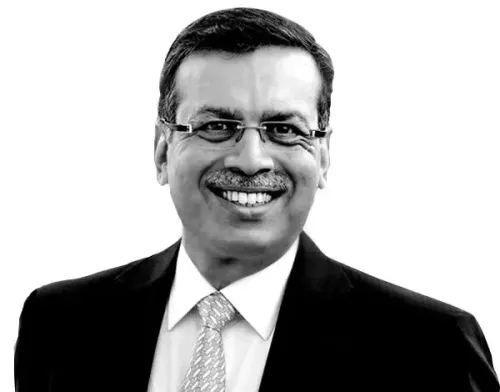
RPSG Group Chairman Sanjiv Goenka said a stable BJP -led government in West Bengal could restore investor confidence.
Goenka called for scrapping urban land ceiling regulations and ensuring policy consistency to attract long-term investment.
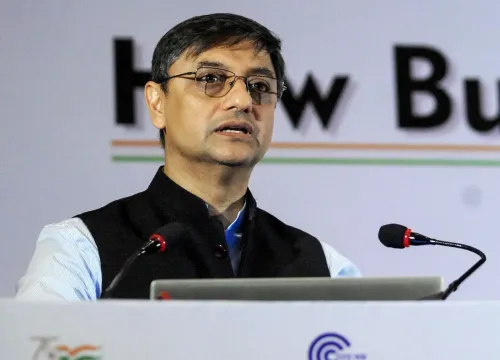
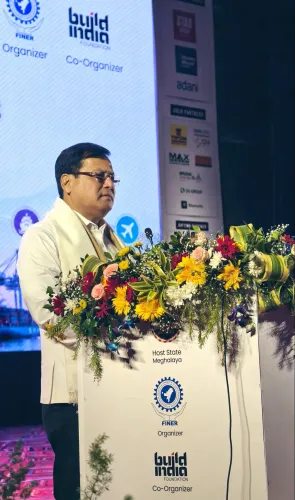
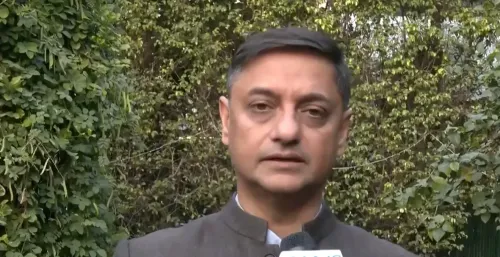
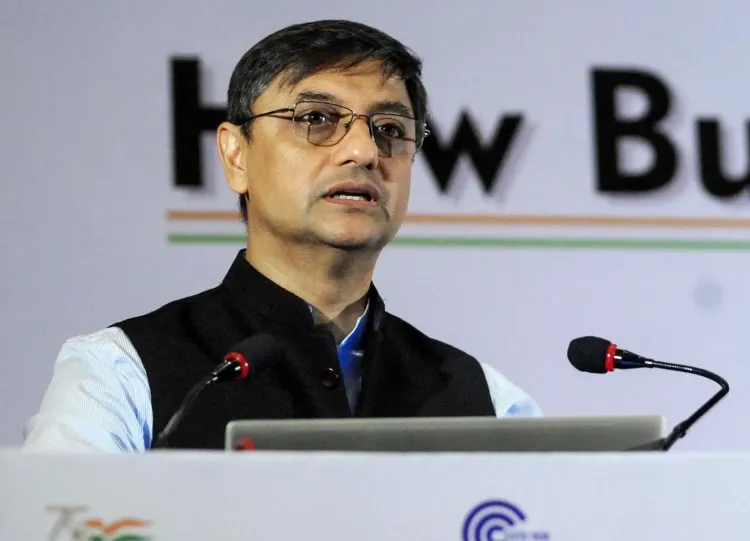
Sanjeev Sanyal, Member of the Economic Advisory Council (EAC) to the Prime Minister, on Wednesday said that reviving Kolkata as a high-growth urban hub is the single most critical lever for accelerating development across the eastern half of India, which he described as "distinctively poorer" than the western half. Sanyal made the remarks at an event organised by the National Stock Exchange (NSE) in Mumbai, focused on the relative economic performance of Indian states.
East-West Divide, Not North-South
Sanyal challenged the widely discussed North-South narrative, arguing that the more pressing economic fault line runs along an East-West axis. "The relative performance of the Indian states shows one or two very clear trends. The first is the much talked about North-South divide, which is not the real economic crisis in the country. It is actually an East-West divide where the eastern half of India is distinctively poorer than the western half of the country," he said.
This framing shifts the policy conversation away from linguistic and cultural divides — which dominate public discourse — toward a structural economic geography that has received comparatively less attention from policymakers and investors alike.
Why Kolkata Is Central to the Solution
Sanyal argued that high growth across India is ultimately driven by a handful of high-growth urban hubs, and that eastern India conspicuously lacks one. In that context, he identified Kolkata as the natural candidate to fill that role. "Kolkata already has some clusters and a long, glorious history. Despite the last half century of decline, I would argue that the secret to reviving the eastern half of India must be about the revival of Kolkata, specifically," Sanyal remarked.
The city's existing industrial clusters, port infrastructure, and institutional legacy — built over more than two centuries — give it a foundation that greenfield alternatives in the region would take decades to replicate. Notably, this is not the first time economists have flagged Kolkata's unrealised potential; the city has featured in multiple growth commission reports over the past two decades without commensurate policy follow-through.
Industrialist Sanjiv Goenka Flags Investment Climate
Separately, Sanjiv Goenka, Chairman of the RPSG Group and a Kolkata-born industrialist, expressed cautious optimism about West Bengal's evolving political landscape. Speaking to NDTV after election trends emerged, Goenka said a stable government led by the Bharatiya Janata Party (BJP) could help restore investor confidence and attract fresh capital into the state.
Goenka stressed that the focus should move away from concerns over outward migration of Bengalis toward building an environment that draws talent and capital in. "Policy consistency is crucial for industry," he said, warning that frequent regulatory changes or reversals deter long-term investment decisions.
Structural Reforms Needed, Says Goenka
Goenka also flagged the need for deeper structural reforms, specifically criticising urban land ceiling regulations, which he described as obsolete and a barrier to growth. He called for a business-friendly ecosystem where both individuals and companies feel encouraged to invest and settle — a signal that legacy regulatory frameworks remain a live concern for the private sector in the state.
He added that he has a personal stake in West Bengal's development and hopes to contribute to its growth story going forward.
What Comes Next
With West Bengal's political trajectory in flux and economists increasingly pointing to the East-West divide as India's most consequential regional imbalance, the pressure on policymakers — at both the state and central levels — to act on Kolkata's revival is building. Whether the political will and policy consistency Goenka called for will materialise remains the critical question.
Point of View
Industrial policy neglect, and labour market rigidity that successive governments have been reluctant to confront head-on. Goenka's remarks on land ceiling regulations and policy consistency point to the same systemic barriers that have kept West Bengal from converting its locational and institutional advantages into sustained growth. The convergence of an economist and an industrialist on the same diagnosis is noteworthy — the harder question is whether the political incentives now align to act on it.
NationPress
24 Sept 2026
Frequently Asked Questions
What did Sanjeev Sanyal say about Kolkata's role in India's growth?
Sanjeev Sanyal, Member of the EAC to the Prime Minister, said that reviving Kolkata as a high-growth urban hub is the key to accelerating development across eastern India. He argued that high growth nationally is driven by a handful of urban hubs, and eastern India currently lacks one.
What is the East-West economic divide in India?
According to Sanyal, the eastern half of India is 'distinctively poorer' than the western half, making the East-West gap a more pressing economic challenge than the widely discussed North-South divide. He made this observation at an NSE event on the relative economic performance of Indian states.
What did Sanjiv Goenka say about West Bengal's investment climate?
RPSG Group Chairman Sanjiv Goenka said a stable BJP-led government could restore investor confidence in West Bengal and attract fresh capital. He stressed the need for policy consistency and called for scrapping outdated urban land ceiling regulations that he described as barriers to growth.
Why has Kolkata declined economically over the past decades?
Sanyal acknowledged 'the last half century of decline' in Kolkata without attributing a single cause, though analysts have historically pointed to labour unrest, capital flight, and industrial policy neglect. Despite this, Sanyal argued Kolkata's existing clusters and institutional history make it the best candidate for revival in eastern India.
What structural reforms did Goenka call for in West Bengal?
Goenka specifically criticised urban land ceiling regulations as obsolete and a barrier to growth. He also called for a business-friendly ecosystem with consistent policy frameworks to encourage both individuals and companies to invest and settle in the state.