Make in India at 12: Piyush Goyal highlights ₹2.40 lakh crore PLI investment
Synopsis
Twelve years after its launch, 'Make in India' now has hard numbers to show: record FDI of USD 94.53 billion in a single year, ₹2.40 lakh crore in PLI investment, and ₹15.2 lakh crore in exports. Commerce Minister Piyush Goyal used the anniversary to project even higher ambitions — a global manufacturing powerhouse backing the Viksit Bharat 2047 target.
Key Takeaways
Commerce Minister Piyush Goyal marked the 12th anniversary of 'Make in India' on 25 September 2026 .
India recorded its highest-ever annual FDI inflow of USD 94.53 billion in FY 2025-26 ; cumulative FDI from FY 2014-15 to FY 2025-26 reached USD 843 billion .
PLI schemes have generated ₹2.40 lakh crore in investment, ₹23.8 lakh crore in production/sales, and ₹15.2 lakh crore in exports as of 31 March 2026 .
Over 14.6 lakh direct and indirect jobs have been created under PLI schemes.
ONDC has facilitated over 470 crore orders , boosting small enterprises.
The government aims to make India a global manufacturing powerhouse in line with the Viksit Bharat 2047 vision.
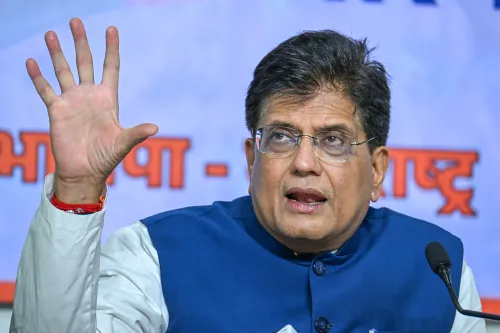
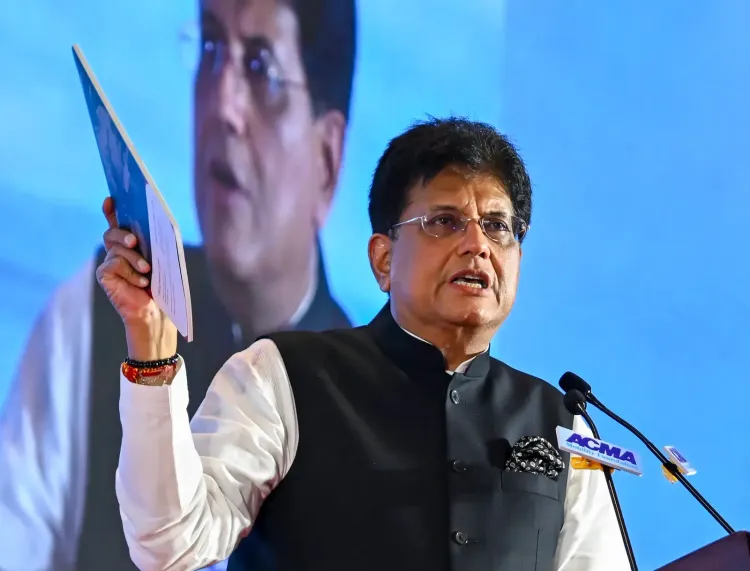
Commerce and Industry Minister Piyush Goyal on Friday, 25 September 2026, marked the 12th anniversary of the 'Make in India' initiative, declaring that India has moved decisively from being a manufacturing importer to a global production hub. Addressing the occasion, Goyal asserted that the country is now 'manufacturing for the world' — not merely for domestic consumption.
Key Milestones and the Numbers Story
Goyal pointed to a series of landmark figures to underscore the initiative's progress. India recorded its highest-ever annual foreign direct investment (FDI) inflow of USD 94.53 billion in FY 2025-26, while cumulative FDI inflows from FY 2014-15 to FY 2025-26 reached USD 843 billion, according to the minister.
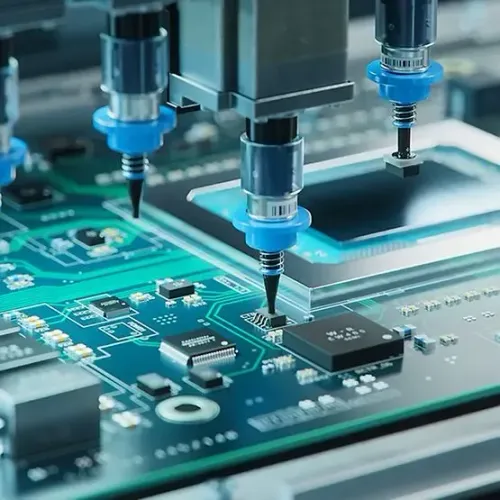
The Production-Linked Incentive (PLI) schemes have delivered substantial outcomes. As of 31 March 2026, PLI schemes have attracted ₹2.40 lakh crore in actual investment, generated ₹23.8 lakh crore in production and sales, driven ₹15.2 lakh crore in exports, and supported over 14.6 lakh direct and indirect jobs.
Sectors Driving the Manufacturing Push
Goyal highlighted that electronics and telecom, pharmaceuticals, medical devices, automobiles, IT hardware, and speciality steel have been among the most significant beneficiaries of the PLI framework. He added that the Open Network for Digital Commerce (ONDC) is providing a major boost to small enterprises, with over 470 crore orders placed through the platform to date.
Greenfield industrial smart cities are also being developed nationwide under the National Industrial Corridor Development Programme, aimed at building infrastructure for globally competitive manufacturing. Ease of Doing Business reforms have simultaneously streamlined regulations and reduced the compliance burden for industry, the minister noted.
The Confidence Dividend
'This is not just a milestone. It reminds us of what can happen when a nation believes in its own capabilities and the government powers that belief with sustained reforms and action,' Goyal said. He credited Prime Minister Narendra Modi with refusing to accept import-dependence as India's destiny, recalling the debates around India's manufacturing potential back in 2014.
In a post on X, Goyal quoted Modi's vision of a world where products carry the tag 'Made in India' and are 'known for their quality'. 'We are witnessing that vision taking shape. The numbers tell an encouraging story,' he wrote.
The Road Ahead: Viksit Bharat 2047
Goyal framed the next phase of 'Make in India' around an 'even bigger ambition' — positioning India as a global manufacturing powerhouse, which he linked directly to the government's Viksit Bharat by 2047 vision. The initiative's trajectory, he argued, is not just about economics: 'It is the confidence it has created among our startup founders, entrepreneurs, manufacturers, innovators, exporters and, most importantly, our people that India can make, India can innovate, and India can compete with the world.' With PLI disbursements continuing and industrial corridors under construction, the policy apparatus behind the initiative remains firmly in motion.
Point of View
But they invite scrutiny. PLI-linked production and export numbers are cumulative across schemes and sectors, making attribution difficult — not all of this growth would have been absent without the policy. The FDI record of USD 94.53 billion is genuinely significant, but the mix matters: how much is greenfield versus retained earnings or debt flows? Goyal's confidence narrative is politically useful, yet India's manufacturing share of GDP remains stubbornly below the 25% target set over a decade ago. The ONDC order count is impressive in volume but tells us little about GMV or profitability for the small enterprises it is meant to uplift. The real measure of 'Make in India' at 20 will be whether the jobs number — currently 14.6 lakh direct and indirect under PLI — scales by an order of magnitude, and whether it closes the gap on China's manufacturing workforce depth.
NationPress
25 Sept 2026
Frequently Asked Questions
What is the 'Make in India' initiative and when was it launched?
'Make in India' is a flagship government initiative launched by Prime Minister Narendra Modi on 25 September 2014, aimed at transforming India into a global manufacturing hub by attracting investment, fostering innovation, and building world-class infrastructure. It completed 12 years on 25 September 2026.
What are the key achievements of PLI schemes under Make in India?
As of 31 March 2026, PLI schemes have resulted in ₹2.40 lakh crore in actual investment, ₹23.8 lakh crore in production and sales, ₹15.2 lakh crore in exports, and over 14.6 lakh direct and indirect jobs. Key beneficiary sectors include electronics, pharmaceuticals, automobiles, and speciality steel.
What was India's FDI inflow in FY 2025-26?
India recorded its highest-ever annual FDI inflow of USD 94.53 billion in FY 2025-26, according to Commerce Minister Piyush Goyal. Cumulative FDI from FY 2014-15 to FY 2025-26 stood at USD 843 billion.
What is the ONDC and how does it relate to Make in India?
The Open Network for Digital Commerce (ONDC) is a government-backed open digital commerce platform designed to democratise e-commerce for small businesses. Over 470 crore orders have been placed through the platform, making it a significant component of India's manufacturing and digital economy push.
What is the government's next target for Make in India?
The government aims to make India a global manufacturing powerhouse, with the broader goal of achieving a 'Viksit Bharat' (Developed India) by 2047. This includes continued expansion of industrial corridors, PLI schemes, and Ease of Doing Business reforms.