MCX rolls out good-delivery norms for aluminium, copper, zinc to back refiners
Synopsis
MCX is exporting its refined-lead branding playbook to aluminium, copper and zinc — shifting quality checks from warehouses to producing plants. With a 98% share of India's commodity futures by value, the move could reshape how domestic refiners access exchange delivery and tighten the link between Indian price discovery and global benchmarks.
Key Takeaways
MCX notified good-delivery norms for primary aluminium , refined copper and refined zinc via a circular dated 2 June 2026 .
Each metal gets an independent principal document covering plant empanelment and delivery acceptance.
Auditing, assaying and testing will now happen at producing plants, not warehouses.
The framework extends the model already used for refined lead , where seven brands are empanelled.
Praveena Rai , MD and CEO, said the move supports domestic refiners and the Atmanirbhar Bharat push.
MCX holds about 98% share of India's commodity futures by value in FY26 .
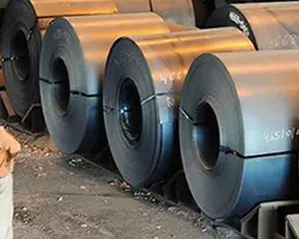
The Multi Commodity Exchange of India (MCX) on Wednesday, 3 June 2026, unveiled comprehensive good-delivery norms for primary aluminium, refined copper and refined zinc, a move it said will strengthen domestic refining, tighten quality benchmarks and deepen market trust. The framework was notified through a circular dated 2 June 2026 and introduces independent principal documents for each metal.
What the new framework covers
The norms detail the empanelment of producing plants and the process for accepting deliveries toward contract settlements. Each of the three metals now has its own standalone rulebook, replacing fragmented practices with a transparent, standards-led structure that applies to both standard and mini contracts.
Crucially, auditing, assaying and testing will now happen directly at the producing plants — a practice known as the branding of metal — rather than being left to warehouse-level validation at the time of delivery.
What MCX said
“By introducing transparent, standards-led frameworks, we are boosting trust, quality, and efficiency for all participants. This initiative supports domestic refiners and deepens India's role in global commodity value chains,” said Praveena Rai, Managing Director and CEO, MCX.
The exchange added that the move aligns with the Centre's Atmanirbhar Bharat mission and is designed to anchor India more firmly in global commodity value chains.
Why it matters for refiners
Industrial metal delivery typically carries heavy logistics costs and complex tax compliances, with grade validation historically deferred to the warehouse stage. Shifting quality checks to the plant level reduces friction for buyers and gives the market assurance that contract-grade material can be delivered in an unbiased, hassle-free manner.
According to the exchange, the framework is expected to encourage metal producers to channelise branded output through an organised exchange delivery mechanism, potentially deepening India's commodity derivatives market.
Building on the lead playbook
MCX has already operationalised a similar branding mechanism for refined lead, under which seven brands have been empanelled. The proven model is now being extended to aluminium, copper and zinc contracts — the three highest-volume non-ferrous metals on the exchange.
MCX is India's leading commodity derivatives exchange and the largest commodity options exchange globally, with a market share of about 98 per cent by value of commodity futures contracts traded in FY26.
What's next
Industry will watch how quickly domestic primary producers seek empanelment and whether the plant-level assaying regime can scale without bottlenecks. A larger pool of empanelled brands could, over time, narrow the gap between domestic price discovery and LME benchmarks.
Point of View
Which fundamentally changes counterparty risk on metal contracts. India's non-ferrous derivatives market has long suffered from LME-dependence and thin domestic delivery; branded plant-level supply is the precondition for that to change. Whether enough domestic refiners actually seek empanelment will determine if this becomes structural reform or a procedural footnote. The lead precedent — only seven brands so far — suggests adoption will be slower than the headline ambition.
NationPress
19 Sept 2026
Frequently Asked Questions
What are MCX's new good-delivery norms for aluminium, copper and zinc?
They are comprehensive frameworks notified via a circular on 2 June 2026 that set quality standards, plant empanelment criteria and delivery acceptance processes for primary aluminium, refined copper and refined zinc on MCX. Each metal now has its own standalone principal document covering both standard and mini contracts.
How does the new system change metal delivery on MCX?
Auditing, assaying and testing will now be carried out directly at producing plants rather than at warehouses during delivery. This 'branding of metal' approach is intended to reduce logistics friction and give buyers assurance that contract-grade material will be delivered.
Has MCX used this branding model before?
Yes. MCX has already implemented a similar mechanism for refined lead, under which seven brands have been empanelled. The new norms extend that proven framework to aluminium, copper and zinc.
Why does this matter for India's commodity market?
MCX accounts for about 98% of India's commodity futures market by value in FY26, so its delivery standards effectively set the benchmark. Plant-level branding could encourage more domestic refiners to route output through exchange delivery, deepening price discovery and aligning with the Atmanirbhar Bharat push.
Who announced the new framework at MCX?
Praveena Rai, Managing Director and CEO of MCX, said the standards-led framework aims to boost trust, quality and efficiency for participants while supporting domestic refiners and India's role in global commodity value chains.