How is MeitY addressing non-consensual intimate content online?

Synopsis
In a significant development, the Ministry of Electronics and Information Technology (MeitY) has launched a Standard Operating Procedure (SoP) aimed at combating non-consensual intimate imagery online. This initiative empowers victims and promotes accountability, ensuring a safer digital landscape.
Key Takeaways
Standard Operating Procedure introduced by MeitY for NCII content.
Victims can report incidents via multiple channels.
Intermediaries must act within 24 hours .
OSCs provide support including legal aid and counselling.
Collaboration with government bodies ensures effective enforcement.
New Delhi, Nov 11 (NationPress) The Ministry of Electronics and Information Technology (MeitY) has introduced a Standard Operating Procedure (SoP) aimed at enhancing the frameworks for the swift removal and prevention of Non-Consensual Intimate Imagery (NCII) on digital platforms.
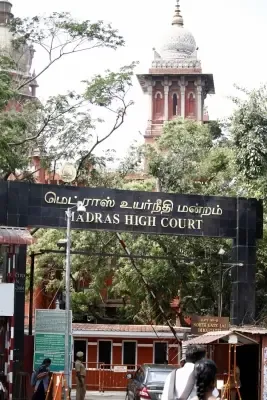
This initiative aligns with the directives from the Madras High Court and seeks to establish clear, victim-focused protocols for the rapid elimination of such offensive content, ensuring compliance with Rule 3(2)(b) of the Information Technology (Intermediary Guidelines and Digital Media Ethics Code) Rules, 2021.
The ministry states that intermediaries must act to remove or restrict access to reported NCII content within a 24-hour timeframe upon receiving a complaint.
Victims can report incidents via various channels, including One Stop Centres (OSCs), in-app reporting systems of intermediaries, the National Cybercrime Reporting Portal (NCRP), or directly to law enforcement.
OSCs will support victims in lodging complaints through the NCRP, alongside providing legal aid and psychological counselling. The NCRP is accessible online or through the helpline number 1930.
All intermediaries, including Significant Social Media Intermediaries (SSMIs), are mandated to utilize hash-matching and crawler technologies to avoid the resurgence of identical or similar NCII content.
They are also obliged to report their actions and collaborate with governmental portals like Sahyog, operated under the Indian Cybercrime Coordination Centre (I4C) of the Ministry of Home Affairs.
The SoP outlines the responsibilities of various governmental entities to guarantee effective enforcement. The Indian Cybercrime Coordination Centre will serve as the primary aggregator for NCII complaints and maintain a secure NCII hash bank, while the Department of Telecommunications will liaise with Internet Service Providers to block reported URLs.
MeitY will oversee compliance and ensure collaboration among intermediaries and other relevant parties.
The government emphasized that this SoP represents a pivotal advancement towards empowering individuals, especially women, to regain control over their online identities.
It intends to foster a safer digital environment by enabling prompt grievance redressal, safeguarding privacy and dignity, while reinforcing accountability across online platforms.
Point of View
I believe that the introduction of this Standard Operating Procedure by MeitY is a crucial step forward in protecting individuals’ rights in the digital sphere. It reflects the government's commitment to creating a safer online environment and offers hope to many victims seeking justice. Our nation must continue to champion such initiatives to uphold dignity and privacy in our increasingly digital lives.
NationPress
1 Oct 2026
Frequently Asked Questions
What is the purpose of the Standard Operating Procedure?
The SoP aims to establish clear procedures for the swift removal and prevention of Non-Consensual Intimate Imagery (NCII) content online, ensuring a safer digital environment.
How can victims report NCII incidents?
Victims can report incidents through One Stop Centres, in-app reporting systems, the National Cybercrime Reporting Portal, or directly to law enforcement.
What is the response time for intermediaries to act on complaints?
Intermediaries are required to remove or disable access to reported NCII content within 24 hours of receiving a complaint.
What support is available for victims?
Victims can receive assistance from One Stop Centres, which provide help with filing complaints, legal aid, and psychological counselling.
What technologies must intermediaries use to prevent NCII content?
Intermediaries are mandated to employ hash-matching and crawler technologies to prevent the recurrence of similar NCII content.