PM Modi challenges India Inc. at FICCI: Show jobs, raise wages after tax cuts
Synopsis
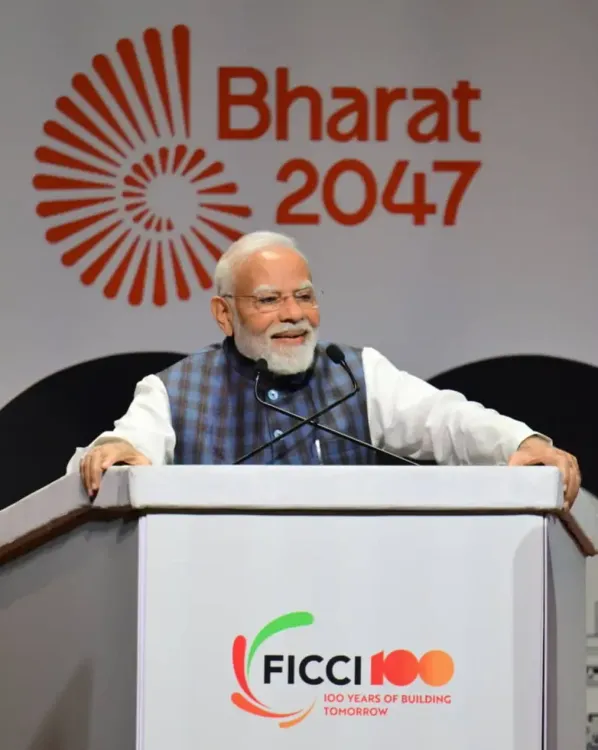
At FICCI's annual gathering, Modi flipped the script on India Inc. — the government has cut taxes, eased compliance and signed trade deals, he said, so where are the jobs and the wage hikes? With pointed references to pharma API imports and India's meagre 2.5% slice of global agricultural exports, it was less a convention address and more a performance review.
Key Takeaways
PM Modi addressed the FICCI Annual General Meeting and Convention in New Delhi on 19 November 2026 .
He asked India Inc. to demonstrate that corporate tax cuts and economic reforms had translated into more jobs and higher employee wages .
Modi criticised the practice of reserving better-quality products for export, saying 'My countrymen deserve quality goods.' He flagged India's continued dependence on imported APIs and intermediates despite being the world's pharmacy, and similar gaps in aluminium and steel .
India's share of global agricultural exports stands at just 2–2.5 per cent ; Modi urged investment in food processing and overseas-focused value addition.
He called on industry to develop independent strategies to leverage India's free trade agreements rather than relying on the government to identify opportunities.
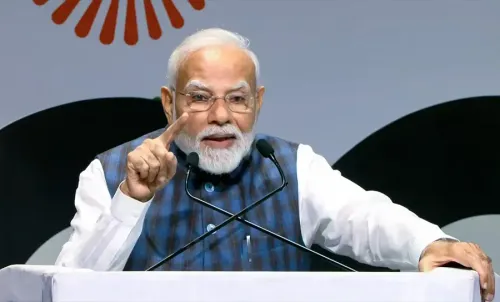
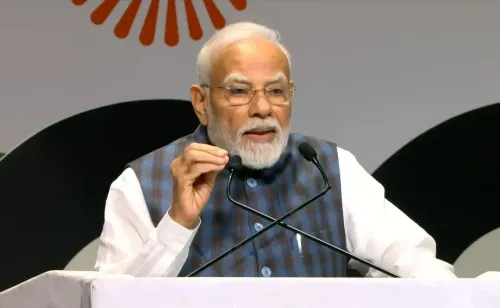
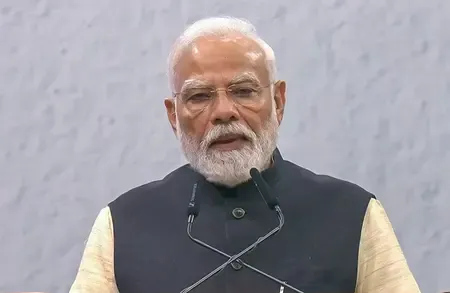
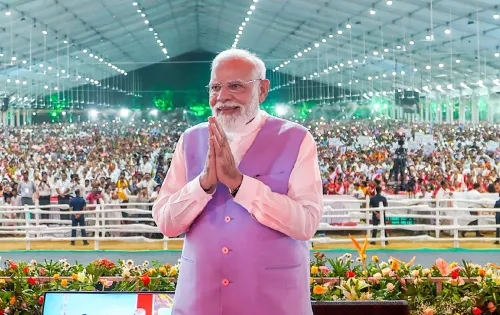
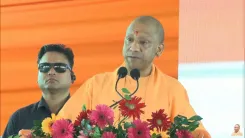
Prime Minister Narendra Modi on Thursday, 19 November 2026, directly challenged Indian industry at the FICCI Annual General Meeting and Annual Convention in New Delhi, asking whether corporates had translated government-backed tax relief and economic reforms into more jobs and higher wages for workers. The remarks mark one of the most pointed public accountability moments Modi has directed at the private sector during his tenure.
The Core Challenge to Industry
Addressing top business leaders, Modi said the government had delivered on its end of the bargain — cutting corporate tax rates, offering income tax relief, simplifying compliance frameworks, and signing trade agreements to open new markets for Indian businesses. He made clear, however, that industry now owed the economy a reciprocal commitment: tangible job creation and improved employee incomes.
'My countrymen deserve quality goods,' the Prime Minister said, taking aim at the widespread practice of marketing products as 'export quality' — implying that superior products are reserved for foreign consumers while domestic buyers receive lower-grade versions. He said Indian consumers deserved the same standard of products that companies offered in international markets.
Import Dependence: Pharma, Metals in Focus
Modi cited specific sectors where India's industrial potential remains hobbled by import reliance. Despite being recognised globally as the pharmacy of the world, India continues to import billions of dollars worth of active pharmaceutical ingredients (APIs) and intermediates. He urged pharmaceutical companies to identify ingredients that could be manufactured competitively at home and invest in the technologies needed to reduce that dependence.
He also flagged the aluminium and steel sectors, where India possesses substantial raw material resources yet still depends on imports for certain specialised products — a gap he described as an opportunity for domestic investment rather than continued outsourcing.
Agriculture and Food Processing: A ₹2.5% Global Share Problem
India's share of global agricultural exports stands at roughly 2–2.5 per cent, Modi noted, despite the country's vast agricultural production base. He urged businesses to invest in food processing, value addition, and product development tailored to overseas demand, rather than concentrating solely on the domestic consumption market.
Industry Must Be a Partner, Not a Passenger
In one of the sharper strategic messages of the address, Modi urged captains of industry to develop concrete plans to exploit India's expanding network of free trade agreements, rather than waiting for the government to identify and hand them opportunities. He said businesses should not expect the state alone to drive national development — industry needed to be an active partner in the growth process.
This comes amid ongoing government concern that employment intensity in India's formal sector has not kept pace with economic growth, and that productivity gains have not been adequately shared with the workforce. With India's working-age population at a generational peak, the pressure on private sector job creation is likely to intensify in the years ahead.
Point of View
It risks remaining a headline without a scorecard.
NationPress
19 Nov 2026
Frequently Asked Questions
What did PM Modi say to India Inc. at the FICCI convention?
PM Modi challenged Indian industry leaders at the FICCI Annual Convention on 19 November 2026 to show that government-backed corporate tax cuts and economic reforms had resulted in more jobs and higher wages for employees. He said the government had delivered on its commitments and industry must now deliver on its own.
Why did Modi raise the issue of pharmaceutical imports?
Despite India being known as the pharmacy of the world, the country continues to import billions of dollars worth of active pharmaceutical ingredients (APIs) and intermediates. Modi urged pharma companies to invest in domestic manufacturing of these inputs to reduce import dependence and strengthen India's supply chain resilience.
What did Modi mean by criticising 'export quality' products?
Modi objected to the practice of labelling products as 'export quality' to signal they are superior, implying that Indian consumers receive lower-grade versions of the same goods. He stated that Indian consumers deserve the same quality that companies offer in overseas markets.
What is India's current share of global agricultural exports?
India's share of global agricultural exports stands at approximately 2 to 2.5 per cent, according to Modi's remarks at FICCI. He called this insufficient given India's large agricultural production base and urged businesses to invest in food processing and value-added products for international markets.
What did Modi say about free trade agreements and industry strategy?
Modi urged industry leaders to develop concrete, independent strategies to capitalise on India's growing network of free trade agreements, rather than depending on the government to identify opportunities. He said businesses needed to be active partners in national development, not passive beneficiaries of government policy.