PM Modi pitches 'Power to Empower' at Bloomberg Forum, calls tech a force for billions
Synopsis
At the Bloomberg New Economy Forum in New Delhi, PM Modi unveiled a governing philosophy he calls 'power to empower' — arguing that in the tech-driven 21st century, the real question is not who holds power but whether it lifts crores of people or concentrates gains among the few. He backed the idea with India's own mobile data revolution as proof of concept.
Key Takeaways
PM Modi addressed the Bloomberg New Economy Forum in New Delhi on 13 October 2026 .
He introduced the concept of 'power to empower' , arguing technology, data, knowledge, and innovation must serve collective good over individual gain.
Modi cited India's post- 2014 push to make mobile data affordable as a model of democratising digital access.
India's information ecosystem spans over 100 languages , 80,000 registered publications , 1,000+ satellite TV channels , and 5 million+ YouTube and Instagram users .
The remarks carry geopolitical weight amid global debates on AI governance, data sovereignty, and the digital divide.
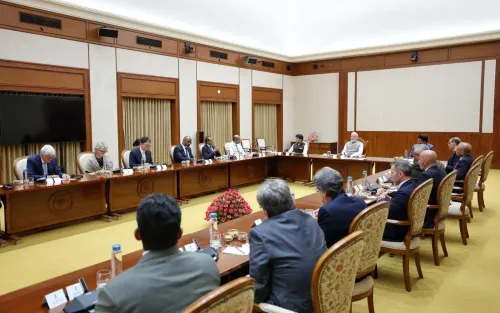
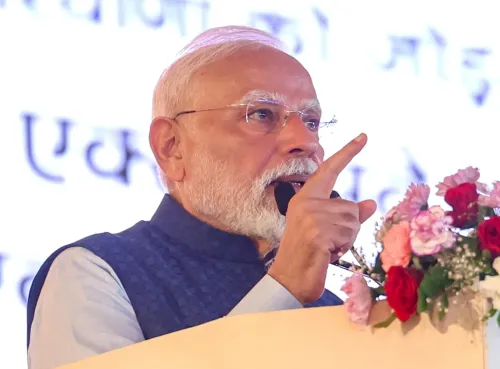
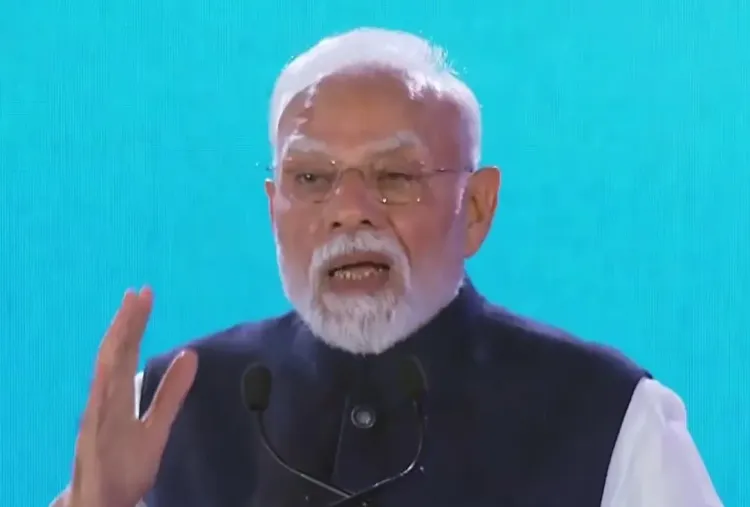
Prime Minister Narendra Modi on Tuesday, 13 October 2026, urged global leaders and business executives at the Bloomberg New Economy Forum in New Delhi to reframe how power is understood in the 21st century, arguing that technology, data, knowledge, and innovation derive their true value not from who holds them, but from the purpose they serve.
The 'Power to Empower' Idea
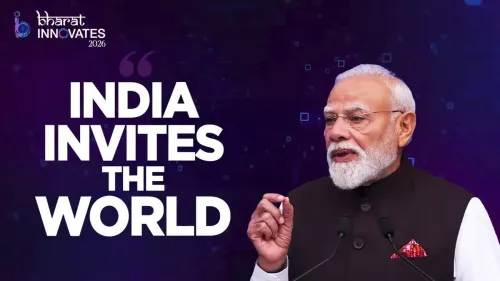
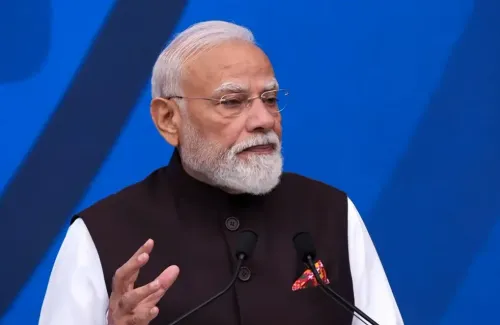
Addressing the forum, whose theme this year centres on emerging powers, Modi laid out a philosophical shift he called 'power to empower'. 'Beyond power to control lies power to enable, beyond power to compete lies power to collaborate, beyond power to succeed lies power to help others succeed,' he said. The Prime Minister argued that in the third decade of the 21st century, the central question is no longer who accumulates power but whether that power creates opportunities for 'crores of people' or merely advances the privileged few.
India as a Case Study in Digital Access
Modi pointed to India's own digital transformation as a live illustration of the concept. He noted that 12–13 years ago, mobile internet access was itself a form of power — confined to those who could afford it. After 2014, he said, the government prioritised making mobile data affordable, with cascading effects across the economy. Today, he observed, even a small shopkeeper in a village can reach customers digitally — a shift he described as connectivity that 'not only connected people but also connected and offered opportunities.'
Scale of India's Information Ecosystem
To illustrate the country's democratic and informational plurality, Modi cited a range of figures: India has more than 100 languages, approximately 80,000 registered newspapers and publications, over 1,000 satellite TV channels, and more than 5 million YouTube and Instagram users. He described India as the 'mother of democracy,' where open debate and multiple viewpoints are actively discussed, and said digital power has played a defining role in amplifying that discourse in recent times.
The Broader Geopolitical Context
The remarks come as global conversations around technology governance, AI regulation, and digital sovereignty are intensifying. Modi's framing of power as a tool for collective advancement rather than competitive dominance offers a distinct counterpoint to ongoing debates at multilateral forums about AI concentration, data colonialism, and the digital divide. Notably, the Bloomberg New Economy Forum brings together heads of state, central bankers, and top executives — making it a platform where such articulations carry weight beyond rhetoric.
What to Watch
Modi's address is likely to inform India's positioning at upcoming multilateral engagements, including trade and technology discussions under India's continued G20 and Global South leadership. Policymakers and industry observers will watch whether the 'power to empower' framing translates into concrete policy proposals — particularly on AI access, digital public infrastructure, and data governance — in the months ahead.
Point of View
But its impact depends entirely on what follows the podium. India's mobile data story is genuine — per-GB costs did fall dramatically post-2016, and rural digital inclusion has measurably expanded. Yet the same digital infrastructure has also enabled misinformation at scale, platform monopolies, and surveillance debates that sit uneasily with the empowerment narrative. The Bloomberg Forum is precisely the venue where such abstractions get tested: whether Modi's framing leads to concrete multilateral proposals on AI access or digital public goods, or remains an aspirational counterpoint to Western and Chinese tech dominance, will define its real legacy.
NationPress
13 Oct 2026
Frequently Asked Questions
What is PM Modi's 'power to empower' idea?
'Power to empower' is a concept articulated by Prime Minister Narendra Modi at the Bloomberg New Economy Forum on 13 October 2026, arguing that technology, data, knowledge, and innovation must be used to create opportunities for large populations rather than concentrate advantages among a few. He framed it as a shift from power to control toward power to enable and collaborate.
What did PM Modi say about India's digital transformation?
Modi said that after 2014, India focused on making mobile data affordable, enabling even small village shopkeepers to reach customers online. He described this as a practical example of 'power to empower' — connectivity that created economic opportunities at the grassroots level.
What figures did Modi cite about India's information ecosystem?
Modi cited over 100 languages, approximately 80,000 registered newspapers and publications, more than 1,000 satellite TV channels, and over 5 million YouTube and Instagram users to illustrate India's diverse and open information landscape. He described India as the 'mother of democracy' where digital power has amplified public debate.
Why does Modi's Bloomberg speech matter globally?
The Bloomberg New Economy Forum draws heads of state, central bankers, and senior business leaders, giving Modi's remarks an audience well beyond domestic politics. His framing of technology as a collective empowerment tool offers a distinct position amid intensifying global debates on AI regulation, data governance, and digital inequality.
What policy outcomes could follow Modi's 'power to empower' speech?
Observers will watch whether the concept translates into concrete proposals on AI access, digital public infrastructure, or data governance at upcoming multilateral forums. India's continued leadership in Global South discussions makes it a likely testing ground for the framework in international negotiations.