NCLT declares Venugopal Dhoot bankrupt; SBI to recover ₹12,668 crore
Synopsis
NCLT has declared Videocon promoter Venugopal Dhoot bankrupt after creditors rejected his ₹600 crore repayment offer — less than 1% of the ₹12,668 crore SBI claims. A bankruptcy trustee now controls his entire estate. It is one of the largest personal guarantor proceedings under India's IBC, and a signal that promoter-level accountability has real teeth.
Key Takeaways
NCLT declared Venugopal Nandlal Dhoot , former Videocon Industries promoter, bankrupt after admitting an SBI petition.
SBI's admitted claims stand at ₹12,668.06 crore , including interest and penalties as of 30 September .
Dhoot's proposed repayment plan of ₹600 crore over three years — less than 1% of dues — was rejected by creditors.
Insolvency professional Asish Narayan has been appointed bankruptcy trustee to administer and distribute Dhoot's estate.
The trustee must submit a preliminary report to the tribunal within 90 days .
The case is one of the highest-value personal guarantor proceedings under the IBC since guarantor provisions were upheld by the Supreme Court in 2021 .
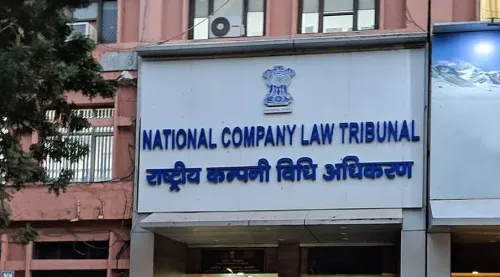
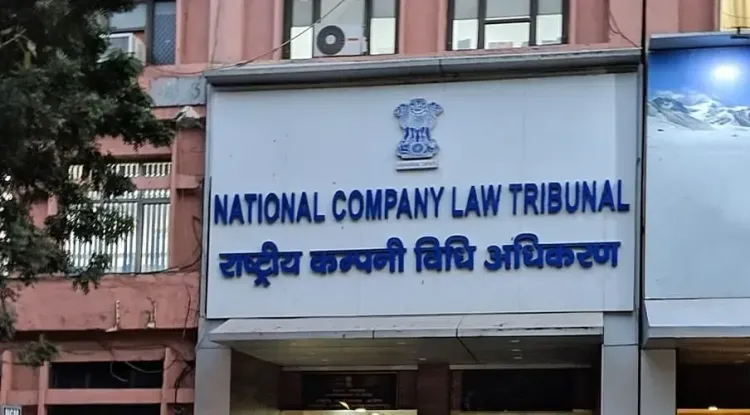
The National Company Law Tribunal (NCLT) has declared Venugopal Nandlal Dhoot, former promoter of Videocon Industries, bankrupt after admitting a petition filed by the State Bank of India (SBI) seeking recovery of dues exceeding ₹12,668 crore — liabilities arising from personal guarantees he had furnished for loans extended to Videocon Group companies. The ruling marks a decisive turn in one of India's most closely watched corporate insolvency cases.
The Legal Basis for the Order
A Mumbai bench of the tribunal admitted SBI's petition under Section 123 of the Insolvency and Bankruptcy Code (IBC), formally triggering bankruptcy proceedings against Dhoot in his capacity as a personal guarantor. The order follows the breakdown of his personal insolvency resolution process after creditors rejected a repayment plan he had proposed.
The tribunal appointed insolvency professional Asish Narayan as the bankruptcy trustee and directed that Dhoot's estate be vested in him for administration and distribution among creditors. The trustee has been instructed to invite claims from creditors, take control of Dhoot's assets, and submit a preliminary report to the tribunal within 90 days.
The Scale of the Dues
According to SBI, Dhoot's outstanding liabilities stood at ₹12,668.06 crore, inclusive of interest and penalties as of 30 September. The dues are linked to personal guarantees he had provided for term loans, working capital facilities, and borrowings extended to Videocon Group entities, including Videocon Telecommunications Ltd. SBI had invoked those guarantees in February 2018 following loan defaults by the group.
Why the Repayment Plan Failed
During the personal insolvency proceedings, Dhoot had proposed repaying ₹600 crore over three years through a proposed real estate development project in Siliguri. The offer amounted to less than 1 per cent of the admitted claims — a figure creditors and resolution professionals found inadequate.
The resolution professional raised specific concerns: the plan was contingent on future project approvals, carried uncertain cash flows, and provided no upfront payment. Creditors subsequently declined to approve it. The tribunal terminated the insolvency resolution process in July 2026 and permitted creditors to initiate bankruptcy proceedings, after which SBI filed its petition within the prescribed timeline.
Significance for India's IBC Framework
The Dhoot case is among the highest-value personal guarantor proceedings under the IBC since the Supreme Court upheld the constitutional validity of personal guarantor provisions in 2021. It signals that lenders — particularly public sector banks — are willing to pursue individual promoters to their last rupee of personal estate, not merely through corporate resolution. Notably, this comes as Indian courts have reinforced the principle that a corporate resolution plan does not extinguish a guarantor's personal liability.
The outcome of Dhoot's bankruptcy proceedings, including the realisation value from his estate, will be watched closely by creditors across other large insolvency cases involving personal guarantees.
Point of View
Not a negotiation. What matters now is how much of Dhoot's estate is actually recoverable, because a bankruptcy declaration without meaningful asset realisation is a legal victory with limited financial consequence. SBI and other creditors have won the argument; the harder work of recovery is just beginning.
NationPress
6 Nov 2026
Frequently Asked Questions
Why has the NCLT declared Venugopal Dhoot bankrupt?
The NCLT declared Dhoot bankrupt after his personal insolvency resolution process collapsed — creditors rejected his ₹600 crore repayment proposal, which covered less than 1% of admitted dues of ₹12,668.06 crore owed to SBI. The tribunal then allowed bankruptcy proceedings, which SBI initiated promptly.
What is the total amount SBI is seeking to recover from Venugopal Dhoot?
SBI's admitted claims against Dhoot stand at ₹12,668.06 crore, inclusive of interest and penalties as of 30 September. The dues relate to personal guarantees he provided for loans extended to Videocon Group entities, including Videocon Telecommunications Ltd.
What happens to Dhoot's assets now?
Dhoot's entire estate has been vested in bankruptcy trustee Asish Narayan, who is authorised to take control of his assets, invite claims from creditors, and submit a preliminary report to the tribunal within 90 days. The estate will be administered and distributed among creditors.
Why did Dhoot's repayment plan fail?
Dhoot proposed paying ₹600 crore over three years through a real estate project in Siliguri — less than 1% of admitted claims. The resolution professional flagged that the plan depended on uncertain future project approvals and offered no upfront payment, leading creditors to decline approval.
What is the broader significance of this ruling for IBC personal guarantor cases?
This is among the largest personal guarantor bankruptcy proceedings under the IBC since the Supreme Court upheld the validity of personal guarantor provisions in 2021. The ruling reinforces that a corporate insolvency resolution does not extinguish a promoter's personal liability, setting a precedent that creditors can pursue promoters' individual estates.