NCLT stays 99.97% debt haircut order in Subhash Chandra insolvency case
Synopsis
A five-member NCLT bench has stayed a ruling that would have let Essel Group founder Subhash Chandra settle over ₹22,000 crore in admitted creditor claims with just ₹6.5 crore — a 99.97% haircut. The bench has also frozen his properties, setting up a landmark test of how India's IBC framework handles personal guarantors of large corporate debt.
Key Takeaways
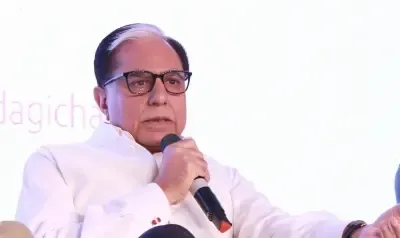
The NCLT on 1 September stayed an earlier order approving a repayment plan in the personal insolvency case against Essel Group founder Subhash Chandra .
The stayed plan proposed paying lenders just ₹6.5 crore against admitted claims of approximately ₹22,006.57 crore — a haircut of nearly 99.97% .
A five-member Bench headed by NCLT President Justice (Retd) Anupinder Singh Grewal will hear the matter afresh after finding no majority view in the 25 August verdict.
Chandra has been restrained from alienating his properties directly or indirectly, on a request by Solicitor General Tushar Mehta .
LIC Housing Finance , Union Bank of India , and Canara Bank had opposed the plan; Union Bank has indicated it will approach the NCLAT .
Chandra maintains he acted only as a personal guarantor and disputes the ₹22,006 crore figure as representing his personal outstanding debt.
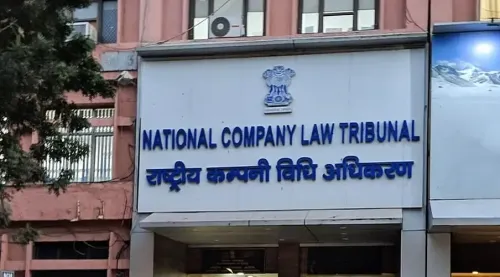
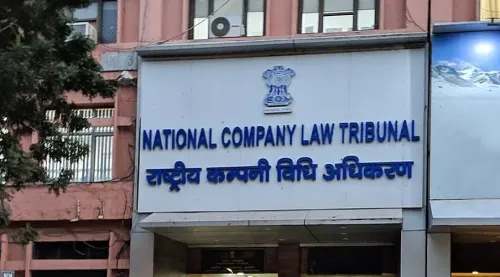
The National Company Law Tribunal (NCLT) on Tuesday, 1 September stayed the operation of an earlier verdict that had approved a repayment plan granting a near-total debt haircut in the personal insolvency proceedings against Essel Group founder Subhash Chandra, and ordered the matter to be heard afresh. The stay comes amid deep divisions within the tribunal over a plan that proposed paying lenders just ₹6.5 crore against admitted claims of approximately ₹22,006.57 crore — a haircut of nearly 99.97%.
What the Five-Member Bench Decided
A five-member NCLT Bench, headed by President Justice (Retd) Anupinder Singh Grewal, observed that no clear majority view had emerged from the 25 August verdict and issued notices to all parties. The Bench comprised Judicial Members Bachu Venkat Balara Das and Mahendra Khandelwal, and Technical Members Atul Chaturvedi and Ravindra Chaturvedi.
Critically, the Bench also restrained Chandra from alienating his properties, directly or indirectly. The order came on a request by Solicitor General Tushar Mehta, who appeared for the creditors. 'We also direct that the guarantor shall not alienate the properties either directly or indirectly,' the tribunal stated.
How the Proceedings Reached This Point
The insolvency case against Chandra was initiated by Indiabulls Housing Finance Ltd. The original two-member NCLT Bench had delivered a split verdict on the repayment plan, prompting a referral to a third member, Judicial Member Nilesh Sharma, under Section 419(5) of the Companies Act, 2013.
On 25 August, Sharma approved the repayment plan under Section 114 of the Insolvency and Bankruptcy Code (IBC), directing exclusion of claims submitted through Anil Kumar on behalf of 960 individuals and Sunil Jain on behalf of 300 individuals, and redistributing those amounts among remaining eligible creditors. He also held that the approved plan would bind all creditors, including those who had opposed it.
When the matter returned to the original two-member Bench, it found that the third member's order had not resolved the underlying disagreement — the Technical Member had rejected the plan outright, while the Judicial Member had sought to limit its benefit to supporting creditors only. With no consensus in sight, the matter was escalated to the NCLT President, who constituted the current five-member Bench.
The Scale of the Haircut and Creditor Opposition
The repayment plan's terms drew sharp criticism from several major lenders. LIC Housing Finance, with an admitted claim of ₹1,322.39 crore, argued that the proposed repayment of approximately ₹38.09 lakh amounted to just 0.028% of its admitted dues. Union Bank of India and Canara Bank also opposed the plan on similar grounds.
Union Bank of India has indicated it will challenge the NCLT's earlier approval before the National Company Law Appellate Tribunal (NCLAT), while HDFC Bank has also been exploring an appeal.
Chandra's Position
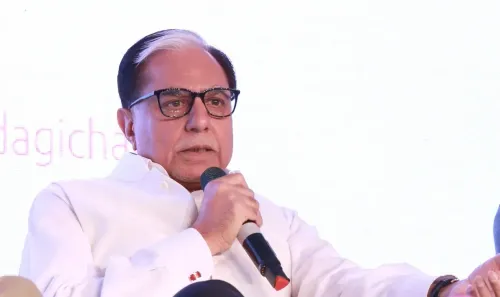
Chandra has disputed the characterisation of the proceedings as a massive personal debt write-off. He maintains that he did not personally borrow from the lenders and acted only as a personal guarantor for loans taken by borrowing entities associated with the broader Essel Group.
According to his account, ₹21,696 crore of the filed claims were admitted, while lenders opposing the repayment plan held claims totalling around ₹3,992 crore. Of this, claims worth ₹620 crore had already been settled, leaving approximately ₹3,372 crore outstanding. He has further said that the borrowing entities had offered to pay around ₹1,113 crore to objecting lenders, with discussions ongoing.
With the five-member Bench now set to hear the matter afresh, the case will serve as a significant test of how Indian insolvency law treats personal guarantors of large corporate debts — and how much protection creditors can expect when a guarantor's repayment offer is a fraction of admitted dues.
Point of View
000 crore in admitted claims — with public sector lenders like LIC Housing Finance and Union Bank among those taking the hit — raises serious questions about whether the IBC's personal insolvency provisions adequately protect creditors or disproportionately favour guarantors. The five-member bench now carries the weight of setting a precedent that will shape how future personal guarantor cases are adjudicated. If the plan is ultimately upheld in any form, it will embolden other large guarantors to seek similar relief; if it is struck down, it signals that the IBC's personal insolvency chapter has teeth.
NationPress
16 Oct 2026
Frequently Asked Questions
What did the NCLT decide in the Subhash Chandra insolvency case on 1 September?
The NCLT stayed the earlier order that had approved a repayment plan offering lenders just ₹6.5 crore against admitted claims of about ₹22,006.57 crore — a haircut of nearly 99.97%. A five-member bench has been constituted to hear the matter afresh, and Chandra has been restrained from alienating his properties.
Why is the Subhash Chandra insolvency case significant?
The case is significant because the proposed repayment plan amounted to a 99.97% debt haircut for lenders, including major public sector institutions such as LIC Housing Finance, Union Bank of India, and Canara Bank. It is also a landmark test of how India's Insolvency and Bankruptcy Code (IBC) applies to personal guarantors of large corporate loans.
What is Subhash Chandra's position in the insolvency proceedings?
Chandra maintains that he did not personally borrow from the lenders and acted only as a personal guarantor for loans taken by Essel Group entities. He also disputes the ₹22,006 crore figure, arguing it represents claims filed in the proceedings and not his personal outstanding debt.
Which creditors opposed the repayment plan, and what are they doing next?
LIC Housing Finance, Union Bank of India, and Canara Bank opposed the plan. Union Bank of India has indicated it will challenge the NCLT's earlier approval before the National Company Law Appellate Tribunal (NCLAT), while HDFC Bank has also been exploring an appeal.
How did the NCLT arrive at a five-member bench for this case?
The original two-member NCLT bench delivered a split verdict, prompting a referral to a third member under Section 419(5) of the Companies Act, 2013. When the third member's order also failed to produce a majority view, the matter was escalated to the NCLT President, who constituted the five-member bench to hear it afresh.