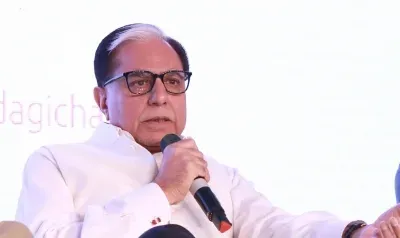
Subhash Chandra moves NCLAT against NCLT 5-member Bench order on repayment plan
Synopsis
Essel Group founder Subhash Chandra has escalated a complex insolvency battle to the NCLAT, challenging whether a five-member NCLT Bench even had the jurisdiction to stay his repayment plan and freeze his properties. With ₹22,006 crore in creditor claims at the centre, the next hearing on September 29 could reset the resolution clock.
Key Takeaways
Subhash Chandra has filed an appeal before the NCLAT challenging the September 1 order of a five-member NCLT Bench that stayed his repayment plan and barred him from alienating properties.
The NCLAT Bench, led by Justice Yogesh Khanna (retd) , directed that creditors be impleaded and listed the matter for 29 September .
Chandra contests the constitution of the five-member NCLT Bench, arguing it acted beyond its statutory jurisdiction under the Companies Act, 2013 .
Insolvency proceedings were initiated by Indiabulls Housing Finance Ltd. ; admitted creditor claims total ₹22,006 crore .
Chandra maintains he acted as a personal guarantor for Essel Group loans — not as a direct borrower — and disputes the debt characterisation.
On 25 August , NCLT member Nilesh Sharma had approved the repayment plan under Section 114 of the IBC , a decision now caught in appellate review.
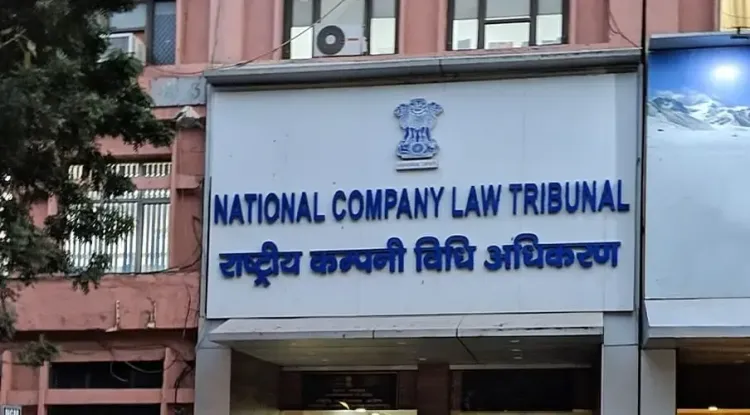
Essel Group founder Subhash Chandra has approached the National Company Law Appellate Tribunal (NCLAT) challenging a September 1 order by a five-member National Company Law Tribunal (NCLT) Bench that stayed approval of his repayment plan and barred him from alienating his properties. The appeal came up for hearing on 23 September 2026 before a three-member NCLAT Bench, which has listed the matter for further hearing on 29 September.
What the NCLAT Bench Directed
The three-member NCLAT Bench, comprising Officiating Chairperson Justice Yogesh Khanna (retd) and Technical Members Barun Mitra and Ajai Das Mehrotra, directed Chandra's counsel to serve copies of the appeal petition on the creditors and implead them as parties to the proceedings. During the hearing, counsel for the creditors submitted that advance copies had not yet been served on them, despite their participation in the earlier NCLT proceedings.
Chandra's Core Challenge
In his appeal, Subhash Chandra has questioned the very constitution of the five-member NCLT Bench, contending that its order 'travels beyond the limited statutory jurisdiction contemplated' under the Companies Act, 2013. The five-member Bench — headed by NCLT President Justice Anupinder Singh Grewal (retd) — was constituted after a series of conflicting verdicts on the proposed repayment plan. The bench had also restrained Chandra from alienating properties, directly or indirectly, following a request by Solicitor General Tushar Mehta, who appeared for the creditors.
How the Case Reached This Point
The insolvency proceedings against Chandra were initiated by Indiabulls Housing Finance Ltd. The original two-member NCLT Bench had delivered a split verdict, after which the matter was referred to a third member, Judicial Member Nilesh Sharma, under Section 419(5) of the Companies Act, 2013. On 25 August, Sharma approved the repayment plan under Section 114 of the Insolvency and Bankruptcy Code (IBC), directing the exclusion of certain claims submitted on behalf of 960 and 300 individuals, and ordering the redistribution of those amounts among remaining eligible creditors. He held that the approved plan would bind all creditors, including those who had opposed it.
When the matter returned to the original two-member Bench, however, it found that no majority view had emerged and that the internal difference remained unresolved. The NCLT President then constituted the five-member Bench to hear proceedings afresh — a step that Chandra now contests before the appellate tribunal.
What Is at Stake: The ₹22,006 Crore Dispute
The proceedings have attracted significant attention given the wide gap between admitted creditor claims and the amount Chandra proposes to repay. Several financial institution creditors have opposed the plan, questioning the adequacy of the proposed recovery. Chandra, however, has disputed the characterisation of the case as a personal debt write-off, maintaining that he acted as a personal guarantor for loans taken by borrowing entities within the wider Essel Group — not as a direct borrower. He has also maintained that the ₹22,006 crore figure represents claims filed in the proceedings and should not be treated as his personal outstanding debt.
What Happens Next
The NCLAT will take up the matter again on 29 September, by which point creditors are expected to be formally impleaded. The outcome of Chandra's jurisdictional challenge against the five-member Bench could materially shape the insolvency resolution path for one of the most watched personal guarantor cases under the IBC framework.
Point of View
006 crore figure draws public attention, but the real precedent here is whether personal guarantors can relitigate the composition of the bench that adjudicates their resolution plans. If Chandra's jurisdictional challenge succeeds, it could open the door for similar challenges in other high-value guarantor cases, adding years of litigation to an IBC framework already under pressure to deliver timely resolution.
NationPress
23 Sept 2026
Frequently Asked Questions
Why has Subhash Chandra approached the NCLAT?
Chandra has challenged a September 1 order by a five-member NCLT Bench that stayed the approval of his repayment plan and barred him from alienating his properties. In his appeal, he questions the constitution of the five-member Bench and argues that its order exceeds the statutory jurisdiction permitted under the Companies Act, 2013.
What is the ₹22,006 crore figure in Subhash Chandra's insolvency case?
The ₹22,006 crore represents the total creditor claims admitted in the insolvency proceedings initiated against Chandra by Indiabulls Housing Finance Ltd. Chandra has disputed the framing of this as his personal outstanding debt, maintaining that he acted as a personal guarantor for loans taken by Essel Group entities and did not personally borrow from the lenders.
What did NCLT member Nilesh Sharma decide on August 25?
Judicial Member Nilesh Sharma approved Chandra's repayment plan under Section 114 of the Insolvency and Bankruptcy Code, directing the exclusion of certain claims submitted on behalf of 960 and 300 individuals and ordering redistribution of those amounts among eligible creditors. He held that the plan would bind all creditors, including those who opposed it.
Why was a five-member NCLT Bench constituted in this case?
The original two-member NCLT Bench had delivered a split verdict. The matter was referred to a third member, who then approved the plan, but when it returned to the two-member Bench, no majority view emerged. The NCLT President subsequently constituted a five-member Bench to hear the proceedings afresh, a step Chandra now challenges before the NCLAT.
When is the next NCLAT hearing in the Subhash Chandra case?
The NCLAT has listed the matter for further hearing on September 29. Before that date, Chandra's counsel is required to serve copies of the appeal on the creditors and implead them as formal parties to the NCLAT proceedings.