Union Bank to challenge NCLT nod for Subhash Chandra insolvency plan
Synopsis
Union Bank of India is heading to the NCLAT to overturn the NCLT's approval of Subhash Chandra's personal insolvency resolution plan — a plan that public sector creditors including Canara Bank and LIC Housing Finance had voted against. With HDFC Bank also signalling an appeal over a ₹680 crore claim admitted at just 3.2%, the case is shaping up as a landmark test for personal guarantor insolvency under Indian law.
Key Takeaways
Union Bank of India will appeal to the NCLAT against the NCLT 's approval of Subhash Chandra 's personal insolvency resolution plan.
Canara Bank and LIC Housing Finance also voted against the plan but were overruled by a majority of private-sector creditors.
HDFC Bank is separately exploring an appeal, with only 3.2% of its ₹680 crore claim admitted under the tribunal's order.
Total claims filed in the proceedings have been reported at ₹22,006 crore , though Chandra disputes this as his personal liability.
Chandra clarified he acted as a personal guarantor , not a direct borrower, for loans linked to the Essel Group .
The NCLAT proceedings could set a significant precedent for personal guarantor insolvency cases in India.
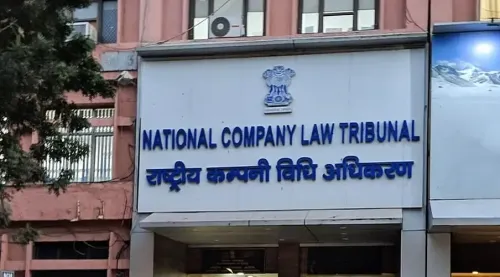
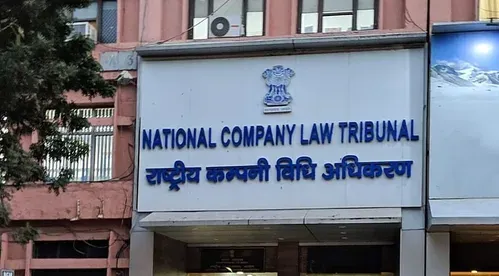
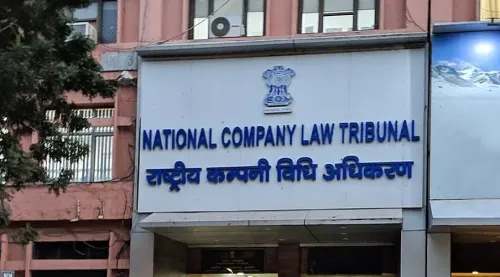
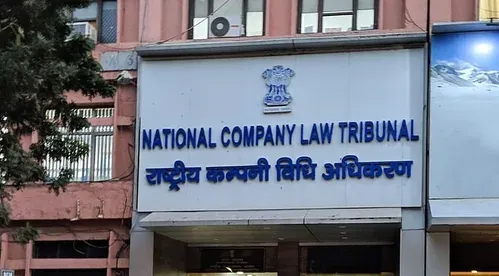
Union Bank of India has announced it will challenge the National Company Law Tribunal (NCLT)'s approval of a resolution plan in the personal insolvency proceedings against Essel Group Chairman Subhash Chandra, according to a statement issued on Saturday, 29 August. The personal insolvency case was originally initiated by Indiabulls Housing Finance Limited.
Creditors Who Voted Against the Plan
Union Bank of India, along with Canara Bank and LIC Housing Finance, had voted against the resolution plan and formally opposed its approval before the NCLT. Despite their objections, the tribunal cleared the plan after it secured the required majority support from certain private-sector creditors.
'In the matter of personal insolvency case filed by Indiabulls Housing Finance Ltd against Subhash Chandra, Union Bank of India (UK) Limited along with other public sector undertakings like Canara Bank, LIC Housing Finance Ltd, etc, have rejected the resolution plan and pleaded before NCLT for not approving the same,' the bank said in its statement.
NCLAT Appeal and the HDFC Bank Parallel
Union Bank has confirmed it will now move the National Company Law Appellate Tribunal (NCLAT) to contest the NCLT's order. The move mirrors a similar step being considered by HDFC Bank, which on Thursday said it was exploring an appeal, noting that only 3.2% of its total claim of ₹680 crore had been admitted under the tribunal's order.
'Now, Union Bank of India (UK) Limited is immediately challenging the decision of NCLT before NCLAT,' the public sector lender stated. The convergence of two major lenders signalling appeals underscores the breadth of dissatisfaction with the outcome among institutional creditors.
The Haircut Concern
The NCLT's decision has drawn significant attention from lenders because of the substantial haircuts involved. Creditors are reportedly expected to recover only a small fraction of their total claims under the approved resolution plan. The total claims filed in the insolvency proceedings have been widely reported at ₹22,006 crore, a figure that has generated considerable public attention.
Notably, this is not a straightforward corporate insolvency — it is a personal insolvency proceeding, a distinction that carries different legal and recovery implications under the Insolvency and Bankruptcy Code (IBC).
Subhash Chandra's Position
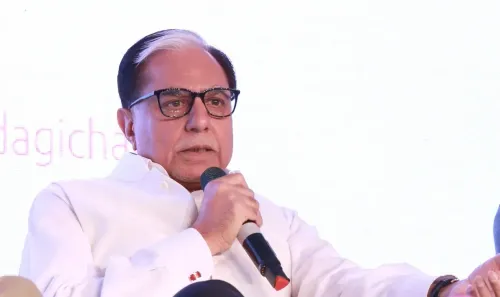
Chandra has disputed the characterisation of the proceedings. In a statement issued on Thursday, he clarified that he had not personally borrowed money from the lenders involved and had acted solely as a personal guarantor for loans taken by borrowing entities linked to the broader Essel Group.
He also stated that the widely reported figure of ₹22,006 crore represents the total claims filed in the insolvency proceedings and should not be read as the current amount payable or his final liability in the matter.
What Happens Next
With Union Bank formally heading to the NCLAT and HDFC Bank weighing a similar move, the resolution plan faces a contested appellate process. The outcome at the NCLAT could set a significant precedent for how personal guarantor insolvency cases — particularly those involving large conglomerates — are resolved under Indian insolvency law. Lenders and legal observers will be watching the appellate proceedings closely.
Point of View
The state-owned lenders — and by extension, taxpayers — absorb disproportionate haircuts. The fact that HDFC Bank's ₹680 crore claim was admitted at just 3.2% is not a rounding error; it is a signal that the resolution arithmetic was heavily skewed. The NCLAT appeal will test whether the IBC's personal guarantor provisions adequately protect dissenting creditors, or whether majority-vote mechanics can be used to push through plans that leave public institutions with near-total losses. This case deserves closer regulatory scrutiny than it has received.
NationPress
13 Oct 2026
Frequently Asked Questions
Why is Union Bank of India challenging the NCLT order in the Subhash Chandra insolvency case?
Union Bank of India, along with Canara Bank and LIC Housing Finance, voted against the resolution plan and formally opposed its approval, but the NCLT cleared it based on majority support from private-sector creditors. The bank argues the plan involves substantial haircuts and will now appeal to the NCLAT to contest the decision.
What is the Subhash Chandra personal insolvency case about?
The personal insolvency proceedings against Essel Group Chairman Subhash Chandra were initiated by Indiabulls Housing Finance Limited. Total claims filed in the case have been widely reported at ₹22,006 crore, though Chandra has clarified he acted as a personal guarantor for Essel Group loans and disputes that figure as his direct personal liability.
Is HDFC Bank also appealing the NCLT order?
Yes, HDFC Bank said on Thursday it was exploring an appeal against the NCLT order, noting that only 3.2% of its total claim of ₹680 crore had been admitted under the tribunal's ruling. Both HDFC Bank and Union Bank are expected to approach the NCLAT.
What did Subhash Chandra say about the insolvency proceedings?
Chandra stated that he did not personally borrow money from the lenders involved and had acted only as a personal guarantor for loans taken by entities linked to the Essel Group. He also clarified that the ₹22,006 crore figure represents total claims filed, not the current amount payable or his final liability.
What is the significance of the NCLAT appeal?
The NCLAT proceedings could establish an important precedent for how personal guarantor insolvency cases involving large conglomerates are handled under the Insolvency and Bankruptcy Code. A ruling in favour of the dissenting creditors could reshape voting and recovery dynamics in future personal insolvency resolutions.