PSU lenders to appeal NCLT nod for Subhash Chandra's ₹6.5-cr repayment plan
Synopsis
A ₹6.5-crore settlement against over ₹22,000 crore in admitted claims — that is the extraordinary haircut at the centre of Subhash Chandra's personal insolvency case. With PSU lenders LIC Housing Finance, Canara Bank, and Union Bank of India all heading to the NCLAT, this case is shaping up as a landmark test of creditor rights in India's personal insolvency framework.
Key Takeaways
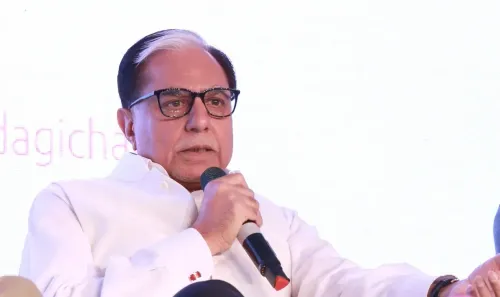
The NCLT approved Subhash Chandra 's repayment plan requiring him to pay ₹6.5 crore against admitted creditor claims of over ₹22,000 crore .
LIC Housing Finance , Canara Bank , and Union Bank of India — holding a combined 8.45% voting share — opposed the plan and will appeal before the NCLAT .
The plan was approved by creditors holding 80.81% of the voting share, predominantly private creditors.
Canara Bank had also sought a forensic audit, which could not be approved due to its minority voting share of 1.60% .
HDFC Bank , which had only 3.2% of its claim admitted, is also reportedly exploring an NCLAT appeal.
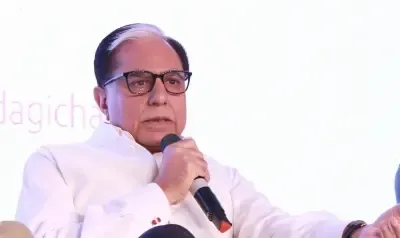
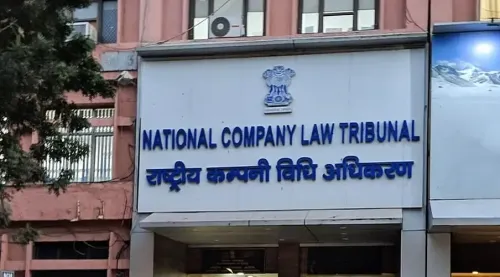
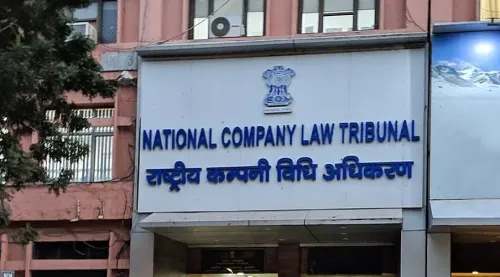
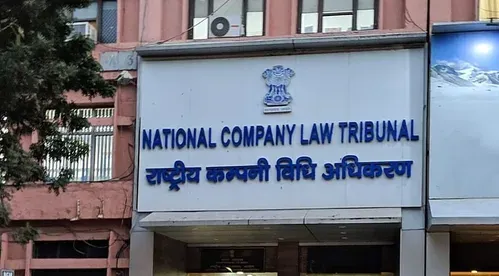
LIC Housing Finance, Canara Bank, and Union Bank of India on Saturday announced they will challenge the National Company Law Tribunal (NCLT)'s approval of Essel Group Chairman Subhash Chandra's personal insolvency repayment plan before the National Company Law Appellate Tribunal (NCLAT). The three public sector lenders had collectively opposed the plan, which the NCLT cleared on the strength of a majority vote from private creditors.
What the NCLT Approved
Under the NCLT order, Subhash Chandra is required to pay ₹6.5 crore to settle admitted creditor claims exceeding ₹22,000 crore — a recovery of less than 0.03% of the total admitted dues. The personal insolvency case was originally filed by Indiabulls Housing Finance. The plan was passed after creditors holding a combined 80.81% voting share voted in its favour.
Why PSU Lenders Are Pushing Back
The three public sector institutions collectively held only an 8.45% voting share in the proceedings — insufficient to block the plan. LIC Housing Finance, which held a 6.09% voting share, confirmed it will file an appeal immediately along with other public financial institutions. Canara Bank, with a 1.60% voting share, said it had opposed Chandra's repayment plan of ₹6.25 crore and would challenge the NCLT order. Notably, Canara Bank had also sought a forensic audit, but its request could not be approved given its minority stake in the voting process. Union Bank of India, holding a 0.76% voting share, said it had rejected the plan alongside other public sector entities, but was overruled by the majority vote of certain private creditors.
HDFC Bank Also Weighing an Appeal
Private lender HDFC Bank is also reportedly exploring an appeal against the NCLT order. The bank had opposed and voted against the resolution, which was nonetheless approved by the majority. According to the bank, only 3.2% of its total claim amount was admitted under the NCLT order. HDFC Bank added that the loan facility in question had been inherited from its parent, HDFC, prior to the merger of the two entities.
What Happens Next
With multiple lenders — both public and private — signalling intent to approach the NCLAT, the appellate proceedings are likely to draw significant scrutiny over the steep haircut creditors are being asked to absorb. The outcome could set a precedent for how personal insolvency cases involving large promoters are resolved under Indian insolvency law. Observers note that a ₹6.5 crore settlement against ₹22,000 crore in admitted claims raises fundamental questions about creditor protection in high-value personal insolvency proceedings.
Point of View
000 crore in admitted claims is not a resolution — it is a near-total write-off dressed in legal process. The fact that PSU lenders were structurally outvoted by private creditors with a larger voting share raises uncomfortable questions about alignment of interests in personal insolvency committees. Canara Bank's blocked forensic audit request is particularly telling: minority creditors have legitimate concerns about asset concealment, yet the voting framework gave them no recourse. The NCLAT appeal will test whether Indian insolvency law can protect public money when promoters of failed conglomerates seek personal discharge at pennies on the rupee.
NationPress
14 Oct 2026
Frequently Asked Questions
What did the NCLT approve in the Subhash Chandra insolvency case?
The NCLT approved a repayment plan under which Subhash Chandra , Chairman of Essel Group , will pay ₹6.5 crore to settle admitted creditor claims of over ₹22,000 crore . The plan was passed after creditors holding 80.81% of the voting share voted in its favour.
Why are LIC Housing Finance, Canara Bank, and Union Bank of India challenging the order?
The three public sector lenders had opposed and voted against the repayment plan but were overruled due to their combined voting share of only 8.45% . They argue the plan does not adequately protect creditor interests and plan to appeal before the NCLAT .
Is HDFC Bank also challenging the NCLT order?
Yes, HDFC Bank is reportedly exploring an appeal before the NCLAT. The bank had voted against the plan and noted that only 3.2% of its total claim was admitted under the NCLT order.
What was Canara Bank's request for a forensic audit about?
Canara Bank had sought a forensic audit of Subhash Chandra 's assets during the insolvency proceedings, but its request could not be approved because the bank held only a 1.60% voting share — insufficient to carry the motion.
What is the significance of this case for Indian insolvency law?
The case highlights a potential gap in personal insolvency proceedings, where minority public sector creditors can be outvoted by private creditors even when they have substantive objections. The NCLAT proceedings could set a precedent for how large-promoter personal insolvency cases are handled in India.