Upcoming Financial and Regulatory Changes in India from April 1, 2026

Synopsis
As the new fiscal year approaches, significant financial and regulatory changes are set to impact taxes, fuel prices, banking policies, and rail travel in India. Discover how these changes will affect you starting April 1, 2026.
Key Takeaways
New Tax Year terminology replaces old terms in Income Tax Act.
Zero tax liability for income up to Rs 12 lakh.
Form 16 and 16A will be replaced by Form 130 and Form 131 .
Indian Railways extends ticket refund window to 8 hours.
Potential adjustments in fuel prices due to geopolitical pressures.
New Delhi, March 27 (NationPress) A wave of financial and regulatory transformations is set to roll out with the onset of the new fiscal year on April 1, 2026, impacting various sectors including taxation, fuel prices, banking, and rail travel.
The Income Tax Act of 2025 will supersede the Income Tax Act of 1961, aiming to streamline the terminology by substituting the previously used terms ‘Assessment Year’ (AY) and ‘Previous Year’ (PY) with the simpler phrase “Tax Year.”
Under the revised tax framework, individuals with an annual income up to Rs 12 lakh will enjoy a zero tax liability, thanks to the enhanced rebate provided under Section 87A.
Form 16 and Form 16A will be replaced by the newly introduced Form 130 and Form 131 starting April 1. The timelines for issuing these forms will also be updated to promote smoother compliance and clarity in tax submissions.
The Income Tax Department will discontinue the acceptance of Aadhaar as the sole proof of date of birth for PAN applications, necessitating documents such as a Class 10 certificate or a passport.
In a significant change, the Indian Railways will now permit ticket refunds if cancellations occur within 8 hours prior to departure, an extension from the previous 4-hour cutoff. A 50% refund will be granted for cancellations made between 8 and 24 hours ahead of departure.
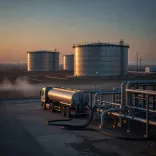
Domestic LPG cylinder prices could see adjustments due to the geopolitical pressures affecting the operational costs of oil marketing firms, particularly in light of ongoing conflicts in the Middle East.
Fuel prices, including those for PNG, CNG, and aviation turbine fuel, may be revised, potentially influencing airfares and logistics costs across the nation.
HDFC Bank has announced that UPI ATM withdrawals will be included within the free transaction limit; exceeding five transactions will incur a charge of Rs 23 per transaction thereafter.
Bandhan Bank has introduced a policy granting three free transactions for customers in metro areas and five for those in non-metro regions. Following the free limit, a fee of Rs 23 will apply for additional transactions and Rs 25 for failed transactions due to insufficient funds.
Punjab National Bank has announced a reduction in the debit card withdrawal limit to a range of Rs 50,000 to Rs 75,000 for select cards.
Point of View
The upcoming financial and regulatory changes set to take effect on April 1, 2026, represent a substantial shift in how individuals and businesses will navigate taxation, banking, and travel costs. These updates aim to simplify processes while addressing current economic realities.
NationPress
6 Oct 2026
Frequently Asked Questions
What is changing in the Income Tax Act?
The Income Tax Act of 2025 will replace the Income Tax Act of 1961, introducing the term 'Tax Year' for clarity.
Will there be changes in tax liabilities for individuals?
Yes, individuals earning up to Rs 12 lakh annually will not incur any tax due to an increased rebate under Section 87A.
How will ticket refund policies change in Indian Railways?
Refunds for cancelled tickets can now be requested up to 8 hours before departure, an extension from the previous 4-hour limit.
Are there changes to banking transaction fees?
HDFC Bank will include UPI ATM withdrawals within the free transaction limit, while Bandhan Bank has set new free transaction limits based on location.
What impact will geopolitical issues have on fuel prices?
Domestic LPG and fuel prices may be adjusted due to rising costs associated with geopolitical tensions affecting oil marketing companies.