Significant Financial Reforms Taking Effect from April 1: What You Need to Know

Synopsis
Prepare for a wave of financial changes coming on April 1, including a new Income Tax Act and revised railway ticket policies. Discover how these reforms will affect taxpayers, employees, and commuters alike.
Key Takeaways
New Income Tax Act: Simplifies tax regulations.
Tax Year Concept: Replaces 'Assessment Year' and 'Previous Year'.
Labour Law Reforms: May impact salary structures.
Railway Policy Update: Stricter cancellation rules.
Financial Regulation Changes: Affect household budgeting.
Mumbai, March 29 (NationPress) A transformative wave of financial and regulatory reforms is set to take effect throughout India starting April 1, coinciding with the onset of the new financial year. These changes will significantly influence taxpayers, employees, and daily commuters.
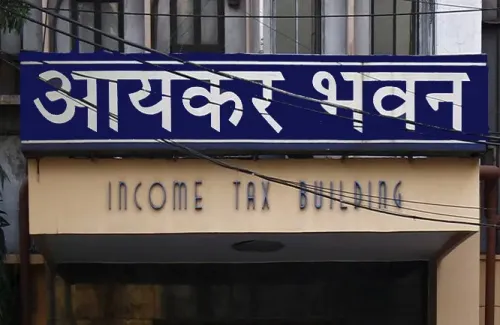
One of the most significant updates is the introduction of the new Income Tax Act, 2025, which will supersede the long-standing Income Tax Act of 1961.
This new legislation aims to streamline the tax system by using more straightforward language and eliminating convoluted terms.
A notable alteration is the substitution of the terms 'Assessment Year' and 'Previous Year' with a unified concept known as 'Tax Year', thereby simplifying compliance for taxpayers.
Additionally, the changes will affect regulations surrounding income tax return submissions and PAN, with heightened measures anticipated to enhance transparency and close existing loopholes within the system.
Simultaneously, reforms in labour laws are likely to be instituted, potentially impacting employees’ salaries and retirement benefits.
These proposed amendments aim to redefine wage structures, thereby increasing the proportion of basic pay and dearness allowance.
This is expected to elevate gratuity benefits and other perks, although it may also modify the net salary for many employees.
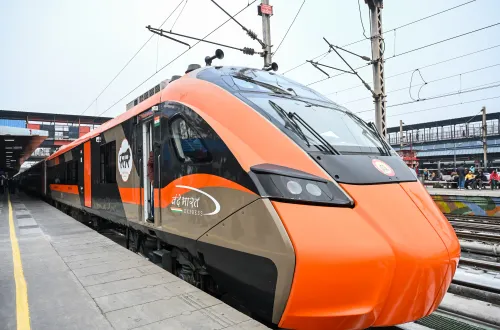
In the transportation sector, the Indian Railways has updated its ticket cancellation policy. Starting April 1, passengers who cancel tickets within eight hours of their scheduled departure may forfeit their right to a refund.
This policy tightens previous regulations that permitted cancellations up to four hours before departure.
Moreover, adjustments in LPG pricing and various other financial regulations are anticipated, which will affect household budgets.
Experts indicate that the new financial year will commence with a comprehensive suite of reforms across taxation, banking, fuel, and travel, making it essential for both individuals and businesses to remain informed and effectively manage their finances.
Point of View
These reforms reflect a significant shift in India's regulatory landscape. The emphasis on clarity and efficiency in the tax system, paired with adjustments in employee compensation structures, indicates a move towards greater transparency and fairness. It's a pivotal moment for individuals and businesses to adapt and plan for the future.
NationPress
29 Sept 2026
Frequently Asked Questions
What is the new Income Tax Act, 2025?
The new Income Tax Act, 2025, is designed to replace the outdated Income Tax Act of 1961, aiming to simplify tax regulations and enhance compliance.
How will labor law reforms affect my salary?
Proposed labor law reforms are set to restructure wage definitions, which may increase your basic pay and dearness allowance, impacting your overall salary.
What changes are being made to the railway ticket cancellation policy?
Starting April 1, passengers cancelling tickets within eight hours of departure may not receive any refund, tightening previous cancellation rules.
How will these financial changes impact household budgets?
Adjustments in LPG pricing and other regulations are expected to influence household budgets, making it important to stay informed and plan accordingly.
Why is it important to be aware of these changes?
Understanding these reforms is crucial for effective financial planning, as they will directly affect personal finances, taxation, and employment benefits.