How will a new joint venture in Russia address India's fertilizer demand?
Synopsis
A landmark agreement between Russia's leading chemical producer and Indian state firms aims to secure a long-term fertilizer supply for Indian farmers. This partnership is pivotal in stabilizing urea production and reducing dependence on imports, ensuring food security amidst fluctuating global prices.
Key Takeaways
Long-term fertilizer supply secured for Indian farmers.
Joint venture aims to reduce import dependency .
New urea plant to produce 2 million tons annually.
Agreement enhances food security amidst global price fluctuations.
Government budget for fertilizers increased for 2024-25.
New Delhi, Dec 5 (NationPress) A new memorandum of understanding was signed on Friday between Russia’s top chemical producer and three state-owned Indian firms to establish a fertilizer unit in Russia. This agreement aims to guarantee a steady supply of fertilizers for Indian farmers who have been experiencing inconsistent availability.
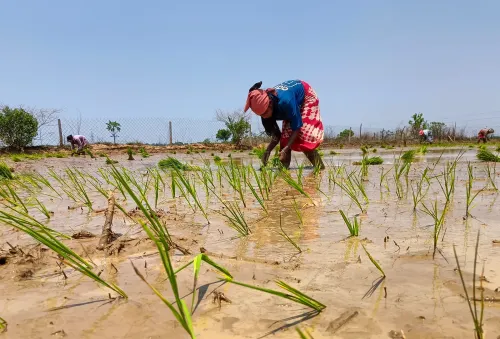
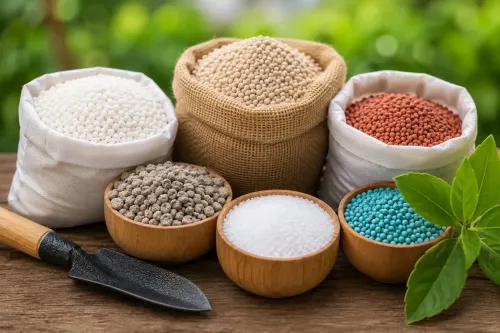
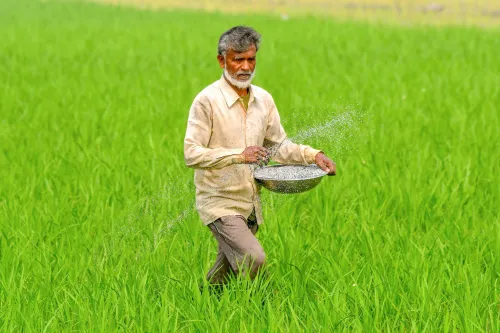
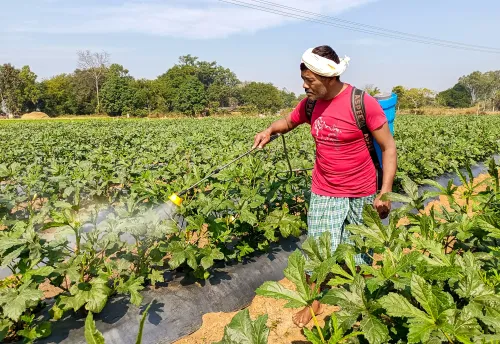
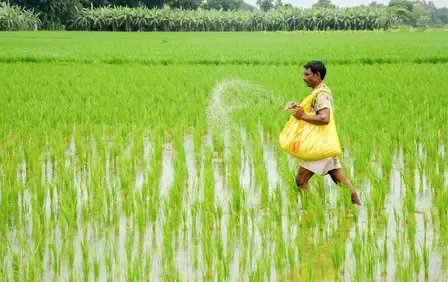
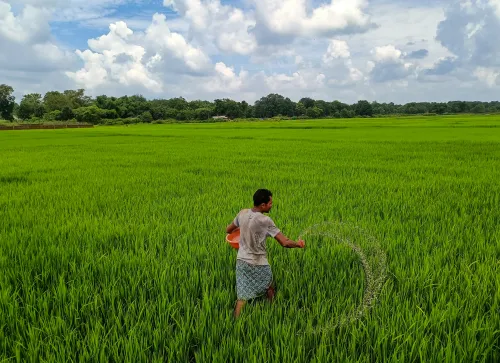
Fertilizers are essential for boosting agricultural efficiency. Together with high-quality seeds and dependable irrigation, they are fundamental to increasing crop yields. The adoption of fertilizers has steadily increased, especially after India’s Green Revolution, significantly contributing to the nation’s journey toward food self-sufficiency.
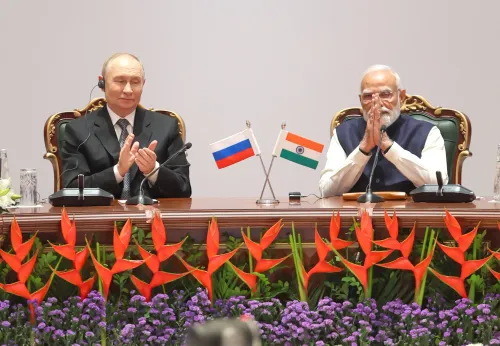
During President Vladimir Putin's recent visit, Uralchem JSC from Russia and three Indian enterprises—Rashtriya Chemicals and Fertilisers Limited, National Fertilisers Limited, and Indian Potash Limited—formalized their collaboration to create a joint venture tasked with constructing a urea plant in Russia.
This facility is projected to generate approximately two million tons of urea annually, leveraging Russia's abundant natural gas and ammonia supplies, thus providing significant relief to Indian farmers.
India stands as the world’s second-largest fertilizer consumer and third-largest producer, having achieved its highest domestic urea production record for 2023-24, surpassing 314 lakh metric tonnes.
Despite this record output, the sector still relies heavily on imported feedstocks, highlighting the strategic importance of this project. India imports a large portion of its ammonia and natural gas necessary for fertilizer production.
The government of India has also engaged in international agreements with nations like Saudi Arabia, Nepal, Bhutan, and Sri Lanka to secure long-term fertilizer supplies. However, challenges arose during the Kharif season when China halted exports temporarily, causing domestic shortages and forcing India to procure supplies at inflated prices. Additionally, favorable monsoon rains expanded the sown area, increasing urea demand during both kharif and rabi seasons, which includes crops like wheat and paddy.
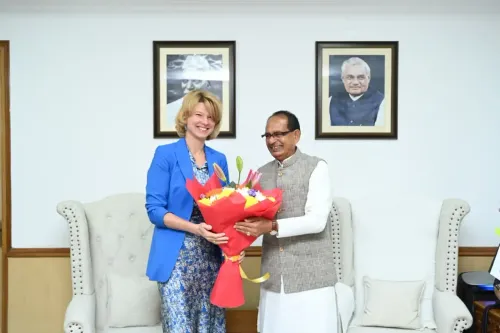
Reports indicate that farmers in Madhya Pradesh are still grappling with fertilizer shortages, leading to protests over the unavailability of crucial inputs such as urea and DAP.
The initiative in Russia is poised to buffer India against unpredictable global price fluctuations and supply disruptions, while also improving the reliability of fertilizer distribution to farmers, ultimately strengthening food security.
The government regulates and subsidizes fertilizer prices to maintain affordability and distributes this vital agricultural resource through its network.
Interestingly, the Department of Fertilisers has seen its budget for the fiscal year 2024-25 increase, with a final allocation reaching approximately Rs 1,91,836.29 crore as approved by Parliament. This budget considers anticipated fertilizer consumption, natural gas prices, and international product costs. Furthermore, the government has extended the Pradhan Mantri Krishi Sinchayee Yojana (PMKSY) until 2025-26, with an approved total outlay of Rs 93,068.56 crore for the period from 2021-22 to 2025-26.
This new initiative will further stabilize urea supplies, lessen import dependency, and strengthen economic ties between India and Russia. It aims to support farmers, enhance national food security, and bolster India’s position as a major global fertilizer consumer and producer.
Point of View
This agreement symbolizes a strategic move towards securing agricultural resources. As India continues to strive for self-sufficiency in food production, such international collaborations are essential. This partnership not only aims to alleviate current supply issues but also reinforces India's agricultural resilience against global market volatility.
NationPress
10 Oct 2026
Frequently Asked Questions
What is the purpose of the joint venture?
The joint venture aims to establish a fertilizer unit in Russia to ensure a long-term supply of fertilizers for Indian farmers.
How much urea will the new plant produce?
The proposed plant is expected to produce close to two million tons of urea annually.
What challenges have Indian farmers faced recently?
Farmers have experienced fertilizer shortages due to export halts from China, leading to higher prices and protests over supply issues.
What is the significance of this agreement for India?
This agreement will stabilize urea supplies, reduce reliance on imports, and strengthen India's food security.
What is the government's role in fertilizer pricing?
The government controls and subsidizes fertilizer prices to keep them affordable and distributes them through its outlets.