NHAI tightens toll plaza, toilet upkeep rules; agencies face bidding ban
Synopsis
NHAI is done issuing advisories — it is now imposing bidding bans. Agencies that let toilet blocks and toll plazas deteriorate beyond a 10% deficiency threshold face immediate exclusion from future NHAI tenders, with every notice and photograph logged publicly on the Data Lake portal. It is the sharpest accountability escalation the authority has introduced for highway upkeep in recent memory.
Key Takeaways
NHAI has launched a new inspection-and-penalty framework for toll plaza and toilet maintenance , effective from 12 October 2026 .
NHAI field officials will inspect facilities at least once every week under the new mechanism.
Agencies with unresolved deficiency notices at 10% or more of their toll plazas will be declared non-performers .
Non-performer agencies face a 15-day ban from all NHAI bidding — including civil works — or until deficiencies are rectified.
All notices and corrective action photographs must be uploaded to NHAI's Data Lake portal for transparency.
The framework covers publicly funded toll plazas and plazas where User Fee Collection Agencies are NHAI-appointed.
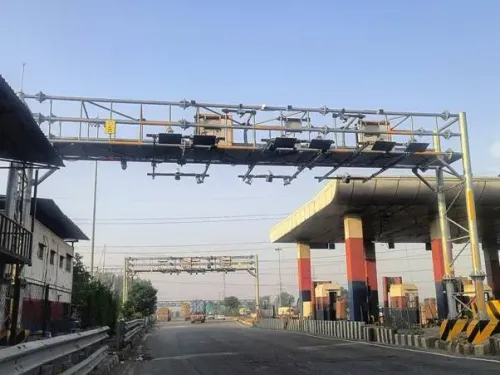
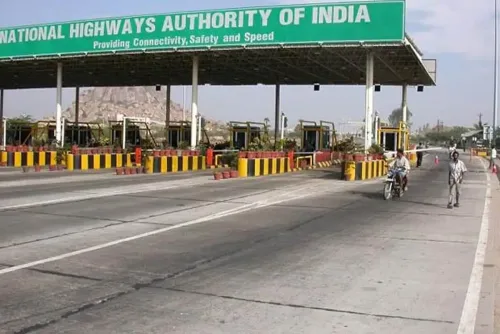
The National Highways Authority of India (NHAI) has rolled out a stricter monitoring and enforcement framework to ensure the proper upkeep of toilet blocks, toll collection booths, surrounding areas, and signboards at highway facilities across the country, according to an official statement issued on Monday, 12 October 2026. The new mechanism mandates weekly inspections by NHAI field officials and introduces financial and contractual penalties for agencies that fall short.
What the New Framework Entails
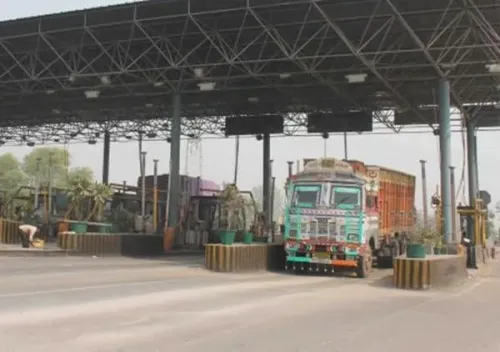
User Fee Collection Agencies — the contractors responsible for operating toll plazas — will now be required to meet prescribed service standards for all public-facing infrastructure. Under the revised mechanism, NHAI officials will inspect these facilities at least once every week, a significant step up from earlier oversight practices.
If an inspection reveals inadequate maintenance, the concerned agency will be issued a show-cause notice and directed to rectify the deficiency within a stipulated timeframe. Crucially, all notices — along with dated photographs of the deficient facilities — will be uploaded to NHAI's Data Lake portal, ensuring public transparency and an auditable record of compliance.
Penalties and the 'Non-Performer' Tag
Where a deficiency is found to constitute a breach of contract or prescribed service standards, NHAI will impose penalties in line with existing contractual provisions and guidelines, the statement noted. The authority has also introduced a new escalation mechanism for repeat offenders.
Agencies where unresolved deficiency notices reach or exceed 10 per cent of the total toll plazas they operate will be formally declared non-performers. Such agencies will be barred from bidding on toll plazas, toll plaza contracts, civil works, or any other NHAI tender for a period of 15 days — or until all pending deficiencies are fully rectified, whichever comes later.
Scope and Applicability
The framework will apply to publicly funded toll plazas as well as other toll plazas where User Fee Collection Agencies have been appointed directly by NHAI. It operates as a supplementary layer on top of existing policies, contractual provisions, and guidelines already in force — not a replacement for them.
Why This Matters
Highway toilet and toll plaza maintenance has been a persistent grievance among long-distance commuters and truckers, with complaints about unusable facilities being a recurring theme on India's national highway network. The move by the Ministry of Road Transport and Highways signals a shift from reactive complaint-handling to proactive, inspection-driven accountability. Notably, tying contractual penalties and bidding eligibility directly to maintenance compliance gives the framework sharper teeth than earlier advisories. All corrective actions by agencies must also be photodocumented and uploaded, creating a two-sided accountability trail on the Data Lake portal.
What Happens Next
NHAI field units will monitor compliance progress and ensure deficiencies are addressed within prescribed timelines. Agencies currently operating toll plazas with known maintenance backlogs face the most immediate risk of show-cause notices and the non-performer designation. The authority has not indicated a specific start date for the first round of weekly inspections, but the mechanism is described as already introduced.
Point of View
Portal uploads, and a public non-performer tag create a paper trail that past maintenance advisories never did. The 10% deficiency threshold for a bidding ban is low enough to bite real operators but high enough that diligent agencies face little risk, which is the right calibration. The more meaningful test will be whether NHAI field units actually conduct weekly inspections or whether the mechanism slips into the same under-enforcement pattern that allowed substandard highway facilities to persist for years. The Data Lake portal is the watchdog here — if civil society and commuters can access it, the framework has teeth; if it stays internal, it is another notification gathering dust.
NationPress
12 Oct 2026
Frequently Asked Questions
What is NHAI's new toll plaza and toilet maintenance mechanism?
NHAI has introduced a weekly inspection and penalty framework requiring User Fee Collection Agencies to maintain prescribed service standards for toll booths, toilet blocks, surrounding areas, and signboards. Non-compliant agencies face show-cause notices, financial penalties, and potential bidding bans.
What happens to agencies that repeatedly fail to fix deficiencies?
Agencies where unresolved deficiency notices reach or exceed 10% of the total toll plazas they operate will be declared non-performers by NHAI. They will be barred from bidding on toll plazas, civil works, or any other NHAI tender for 15 days or until all deficiencies are rectified.
How will NHAI ensure transparency in this process?
All show-cause notices and dated photographs of deficient facilities will be uploaded to NHAI's Data Lake portal. Agencies must also upload photographs documenting corrective actions taken, creating a two-sided accountability record accessible for monitoring.
Which toll plazas does the new framework cover?
The mechanism applies to publicly funded toll plazas and any other toll plazas where User Fee Collection Agencies have been directly appointed by NHAI. It operates alongside — not in place of — existing contractual and policy provisions.
Why has NHAI introduced this framework now?
Poor maintenance of highway toilets and toll plaza facilities has been a longstanding complaint from commuters and truckers. The Ministry of Road Transport and Highways has framed the move as a shift toward proactive, inspection-driven accountability to ensure public-facing highway infrastructure meets service standards consistently.