SC asks NHAI: Why not use toll plaza cameras to monitor highways?
Synopsis
The Supreme Court's question to NHAI — why aren't toll plaza cameras already monitoring highways? — cuts to the heart of India's highway safety failure. With 38 people killed in two November 2025 crashes that triggered these proceedings, and two Union Ministries yet to file court-ordered affidavits, the gap between judicial direction and on-ground compliance is widening.
Key Takeaways
The Supreme Court on 3 September asked NHAI to explore using toll plaza cameras to monitor national highways for illegal parking and encroachments.
The Bench of Justice Vikram Nath and Justice Sandeep Mehta is hearing suo motu proceedings titled 'In Re: Phalodi Accident' .
Amicus curiae A.N.S.
Nadkarni flagged illegal parking as a leading cause of fatal highway accidents.
The Ministry of Road Transport and Highways , Ministry of Home Affairs , and Tamil Nadu government have not yet filed court-ordered affidavits.
The proceedings stem from two November 2025 accidents — 18 killed in Phalodi, Rajasthan, and 20 killed on the Telangana-Bijapur highway.
The next hearing is scheduled for 6 October .
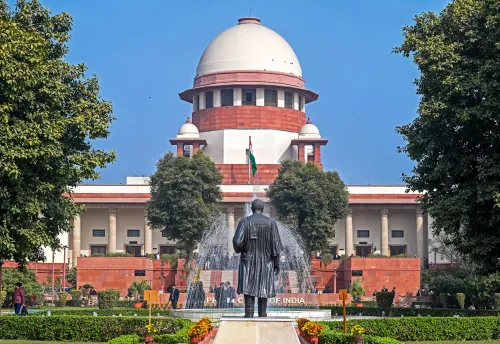
The Supreme Court on Thursday, 3 September directed the National Highways Authority of India (NHAI) to explore deploying cameras at toll plazas and establishing dedicated monitoring rooms to tackle encroachments and illegal parking on national highways. The directive came during suo motu proceedings titled 'In Re: Phalodi Accident', which the apex court initiated following two deadly highway crashes in November 2025.
What the Court Said
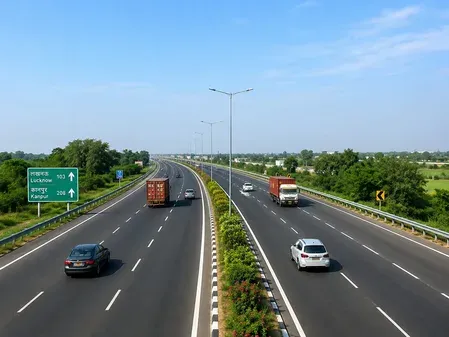
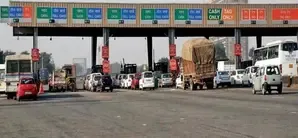
A Bench of Justice Vikram Nath and Justice Sandeep Mehta questioned why existing toll plaza camera infrastructure could not be repurposed for round-the-clock highway surveillance. 'Why can't you think of a system of monitoring through cameras? A separate arrangement can be made for monitoring at all toll plazas,' the Justice Nath-led Bench observed.
The court's pointed query signals impatience with the pace of implementation. NHAI, appearing before the Bench, submitted that directions for regular patrolling to prevent unauthorised parking had already been issued — but the court's response suggests that patrolling alone has not satisfied the judicial standard of diligence.
Amicus Curiae Flags Illegal Parking as a Root Cause
Senior Advocate A.N.S. Nadkarni, appointed amicus curiae in the matter, told the court that illegal parking of vehicles along national highways remains one of the primary triggers for fatal road accidents. His submission reinforces a pattern the court has repeatedly noted — that stationary vehicles on carriageways create invisible hazards for high-speed traffic, particularly at night.
Pending Affidavits and Next Hearing
The Bench recorded that the Ministry of Road Transport and Highways, the Ministry of Home Affairs, and the Tamil Nadu government had not yet filed their respective affidavits in the matter. The court directed all three to do so before the next date of hearing, now listed for 6 October.
The non-filing by two Union Ministries is notable given the court's earlier comprehensive interim directions, which included a complete ban on parking of heavy and commercial vehicles on highway carriageways and paved shoulders except at designated bays, enforcement via Advanced Traffic Management Systems (ATMS), real-time alerts, GPS-tagged photographic evidence, and e-challan mechanisms.
Background: Two Accidents That Triggered the Proceedings
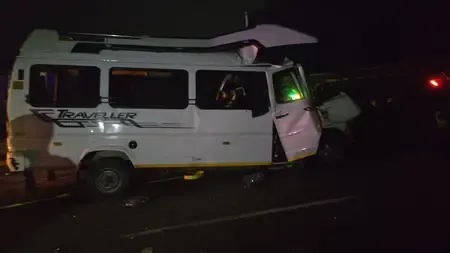
The suo motu proceedings originated from two fatal accidents in November 2025. In the first, a tempo traveller carrying women and children returning from a pilgrimage rammed into a stationary truck on a highway in Rajasthan's Phalodi, killing at least 18 people. The second, on the Telangana-Bijapur highway, claimed 20 lives.
Taking suo motu cognisance, the court had earlier stressed that the 'right to safe passage' is an integral facet of the right to life under Article 21 of the Constitution. It had also ordered nationwide highway inspections to identify encroachments, directed the removal of unauthorised roadside structures within the Right of Way, and mandated the constitution of District Highway Safety Task Forces and dedicated surveillance teams.
What Happens Next
With the 6 October hearing approaching, the court will assess compliance with its earlier interim directions alongside the freshly sought affidavits. The question of integrating toll plaza cameras into a centralised monitoring architecture could become a formal directive if NHAI's response is found inadequate. For India's highway safety framework, the case is shaping up as a landmark accountability exercise.
Point of View
So why aren't they watching the road? That NHAI has no ready answer points to a systemic gap between infrastructure deployment and operational integration. The non-filing of affidavits by two Union Ministries, months into a suo motu proceeding triggered by 38 deaths, is a compliance failure the court should name explicitly. India's highway fatality rate remains among the world's highest; the Phalodi proceedings may be the most consequential judicial intervention on road safety in years, but only if directions translate into enforcement rather than paperwork.
NationPress
19 Oct 2026
Frequently Asked Questions
Why is the Supreme Court monitoring highway safety in India?
The Supreme Court took suo motu cognisance of highway safety following two fatal accidents in November 2025 — one in Rajasthan's Phalodi that killed at least 18 people, and another on the Telangana-Bijapur highway that claimed 20 lives. The court has since issued a series of interim directions on illegal parking, encroachments, and surveillance infrastructure under the proceedings titled 'In Re: Phalodi Accident'.
What did the Supreme Court ask NHAI on 3 September?
The court asked NHAI to explore installing cameras at toll plazas and setting up dedicated monitoring rooms to detect illegal parking and encroachments on national highways. The Bench questioned why existing toll plaza camera infrastructure could not be used for this purpose.
What is the current status of highway safety compliance?
NHAI told the court that directions for regular patrolling had been issued, but the Ministry of Road Transport and Highways, the Ministry of Home Affairs, and the Tamil Nadu government have not yet filed their court-ordered affidavits. The next hearing is on 6 October.
What earlier directions has the Supreme Court issued on highway safety?
The court has banned parking of heavy and commercial vehicles on highway carriageways and paved shoulders except at designated bays, ordered enforcement through Advanced Traffic Management Systems including GPS-tagged evidence and e-challans, directed nationwide highway inspections, and mandated District Highway Safety Task Forces and dedicated surveillance teams.
What is the legal basis for the Supreme Court's highway safety orders?
The court has grounded its directions in Article 21 of the Constitution, holding that the 'right to safe passage' is an integral part of the right to life. This framing makes highway safety a fundamental rights issue, giving the court broad jurisdiction to direct both the Centre and state governments.