NHAI flags 1,692 km of national highways across 9 states for FY27 monetisation
Synopsis
NHAI has put 1,692.5 km of operational national highways on the monetisation table for FY27 — spanning 17 projects across 9 states under TOT and InvIT frameworks. With RIIT assets still to be listed separately, the full pipeline is even larger, making this one of the most significant annual highway monetisation disclosures under the National Monetisation Pipeline.
Key Takeaways
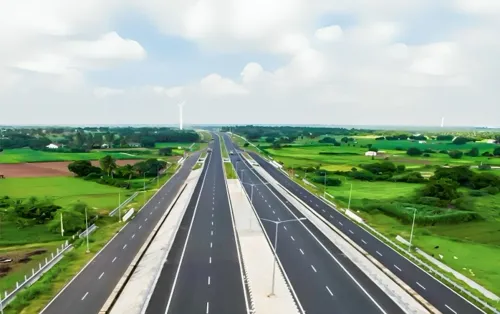
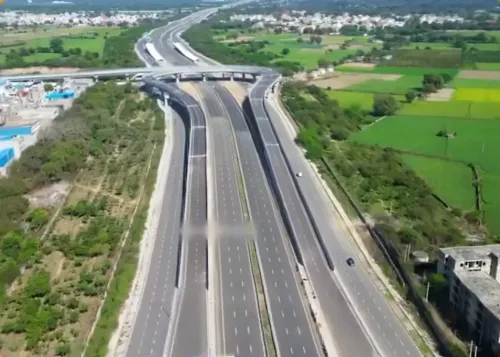
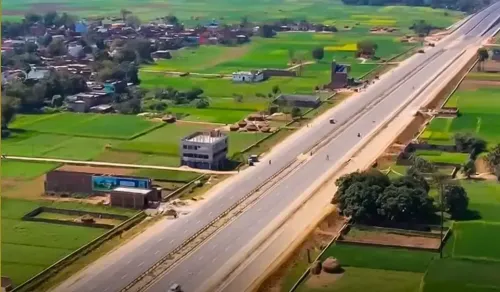
NHAI released a tentative monetisation list on 28 May 2025 covering 1,692.5 km of national highways for FY 2026–27 .
The list covers 17 projects across 9 states : Haryana, Jharkhand, Karnataka, Rajasthan, Tamil Nadu, Telangana, Uttar Pradesh, Bihar, and Maharashtra.
Monetisation will proceed under Toll-Operate-Transfer (TOT) and Infrastructure Investment Trust (InvIT) frameworks.
Assets proposed under Raajmarg Infra Investment Trust (RIIT) are not included in this list and will be disclosed separately.
The full project list has been published on the NHAI website to help investors plan ahead.
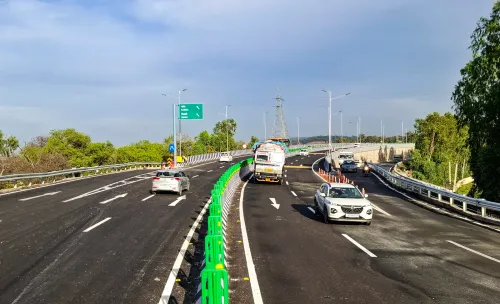
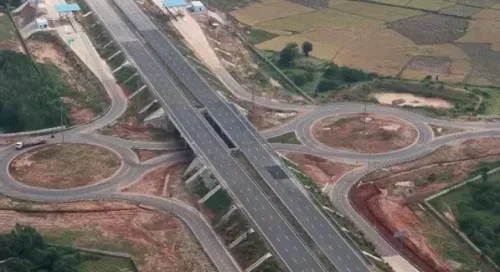
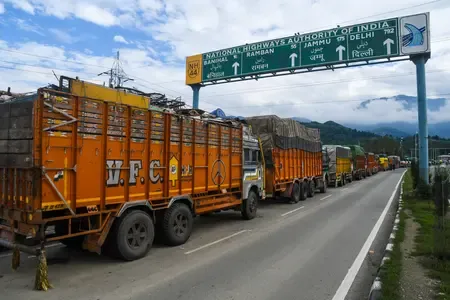
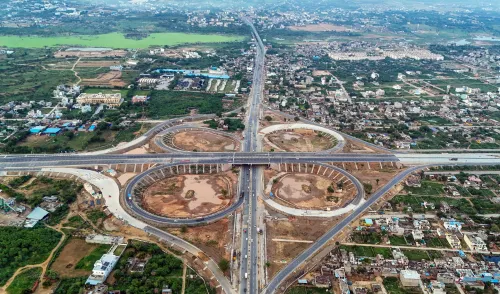
The National Highways Authority of India (NHAI) on Thursday, 28 May 2025 released a tentative list of National Highway stretches proposed for monetisation in Financial Year 2026–27, covering a combined length of 1,692.5 km across nine states under the Toll-Operate-Transfer (TOT) and Infrastructure Investment Trust (InvIT) frameworks. The announcement, made by the Ministry of Road Transport and Highways, forms part of the Centre's broader asset monetisation strategy aimed at recycling capital from operational highway assets into fresh infrastructure investment.
What the List Covers
The identified assets span 17 projects across Haryana, Jharkhand, Karnataka, Rajasthan, Tamil Nadu, Telangana, Uttar Pradesh, Bihar, and Maharashtra. According to the ministry, these corridors collectively represent established economic and logistics routes with proven traffic potential and strong connectivity value. The full list of projects has been hosted on the NHAI website for public access.
Notably, the current list excludes assets proposed for monetisation through the Raajmarg Infra Investment Trust (RIIT) for the same financial year — meaning the total pipeline for FY27 is wider than what Thursday's announcement reflects.
Why NHAI Is Monetising These Assets
The initiative is designed to unlock latent value from highways that are already operational and generating toll revenue. By transferring operating rights to private investors under TOT and InvIT structures, NHAI can front-load capital receipts and redeploy them into greenfield highway construction and network modernisation — without adding to sovereign debt.
The ministry stated that early disclosure of the pipeline would 'enable investors and bidders to plan their investments in an efficient manner,' signalling an intent to improve transaction predictability and attract long-term institutional capital, including from pension funds and infrastructure-focused funds.
TOT and InvIT: The Frameworks in Focus
Under the TOT model, NHAI bundles operational highway stretches and auctions the right to collect tolls for a fixed concession period in exchange for an upfront lump-sum payment. Under the InvIT route, highway assets are pooled into a trust structure and units are sold to institutional investors, generating recurring distributions linked to toll cash flows.
Both models have been used by NHAI in previous monetisation rounds, with mixed but broadly positive outcomes in attracting foreign and domestic institutional investors. This is the latest in a series of annual monetisation tranches that NHAI has executed since the National Monetisation Pipeline was unveiled in 2021.
Broader Infrastructure Context
The FY27 monetisation push comes as the Centre continues to prioritise capital expenditure on infrastructure while managing fiscal consolidation. Asset recycling — rather than fresh borrowing — has become a key financing lever for highway expansion. India's national highway network has grown significantly over the past decade, and operational assets now represent a sizable monetisable base.
With the RIIT pipeline yet to be separately disclosed, the total FY27 highway monetisation programme is expected to be considerably larger. Investors and infrastructure funds will be watching subsequent announcements closely as NHAI moves toward transaction launch.
Point of View
Where transaction surprises deterred institutional bidders. But the real test is execution: previous TOT bundles have seen thin competition in some rounds, and InvIT unit prices have been volatile. The exclusion of RIIT assets from this list also means the market is seeing only part of the FY27 picture — a sequencing choice that could either build anticipation or fragment investor attention. With the National Monetisation Pipeline now in its fourth year, the question is no longer whether the framework works, but whether NHAI can consistently attract competitive bids that reflect fair asset value rather than discounted fire-sale pricing.
NationPress
26 Sept 2026
Frequently Asked Questions
What is NHAI's highway monetisation plan for FY 2026–27?
NHAI has identified 1,692.5 km of operational national highway stretches across 9 states for monetisation in FY 2026–27 through TOT and InvIT frameworks. The list covers 17 projects and has been published on the NHAI website. Assets under the RIIT route will be disclosed separately.
Which states are covered under the NHAI FY27 monetisation list?
The 17 projects span nine states: Haryana, Jharkhand, Karnataka, Rajasthan, Tamil Nadu, Telangana, Uttar Pradesh, Bihar, and Maharashtra. These corridors were selected for their established traffic volumes and logistics significance.
What is the difference between TOT and InvIT in highway monetisation?
Under the TOT model, NHAI auctions toll-collection rights on operational highways for a fixed period in exchange for an upfront lump-sum payment. Under InvIT, highway assets are pooled into a trust and units are sold to institutional investors, who earn returns from toll cash flows over time.
Why are RIIT assets not included in this list?
The Ministry of Road Transport and Highways clarified that assets proposed for monetisation through the Raajmarg Infra Investment Trust (RIIT) for FY 2026–27 are not part of this particular disclosure and will be announced separately, making the total FY27 pipeline larger than the current list reflects.
Why is NHAI disclosing the monetisation list in advance?
Early disclosure is intended to give investors and bidders sufficient time to conduct due diligence and plan capital allocation, improving transaction efficiency and competition. The ministry stated this approach supports transparent and structured monetisation under established frameworks.