VB-G RAM G Act from July 1: Chouhan vows 125 days work for every rural household
Synopsis
India's rural employment guarantee gets its biggest structural overhaul in years: the VB-G RAM G Act kicks in on 1 July 2026, adding 25 more guaranteed workdays per household and unlocking ₹95,692 crore in interim funding. The national launch at a village in Tirupati on 2 July is as much a political signal as a policy milestone.
Key Takeaways
The Viksit Bharat – Guarantee for Rozgar and Ajeevika Mission (Gramin) Act, 2025 comes into force on 1 July 2026 .
Statutory wage employment guarantee raised from 100 days to 125 days per eligible rural household per year.
Centre has released an interim allocation of ₹95,692.31 crore to states and UTs for seamless rollout.
Existing e-KYC verified job cards remain valid until new Gramin Rozgar Guarantee Cards are issued.
National launch event scheduled for 2 July 2026 at Mukkavaripalli Village, Tirupati district, Andhra Pradesh .
Gram Panchayats are placed at the centre of implementation, with emphasis on asset creation, water conservation, and women's SHGs.
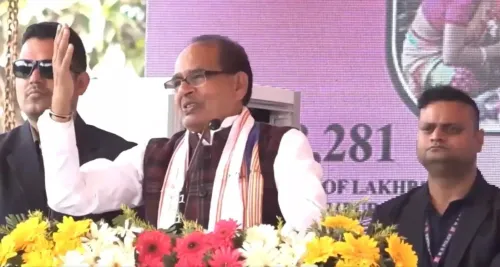
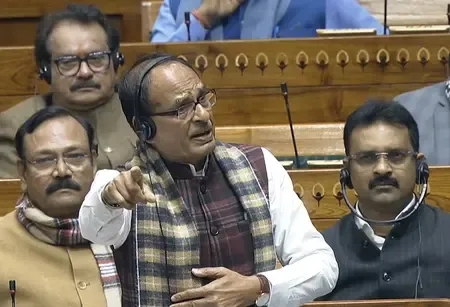
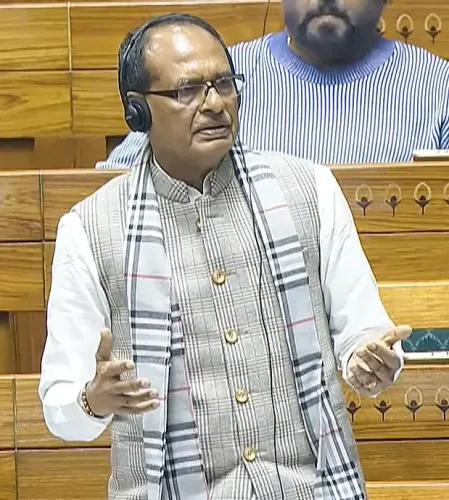
The Viksit Bharat – Guarantee for Rozgar and Ajeevika Mission (Gramin) Act, 2025 will come into force across rural India on 1 July 2026, with Union Minister for Rural Development Shivraj Singh Chouhan declaring on Tuesday that no eligible rural worker should remain without employment even for a single day. The landmark legislation raises the statutory wage employment guarantee from 100 days to 125 days per eligible rural household annually.
Key Provisions of the New Act
The VB-G RAM G Act goes beyond a simple extension of workdays. It places Gram Panchayats at the centre of rural transformation, with a sharper focus on durable asset creation, natural resource management, water conservation, and agriculture-linked activities. Women's empowerment through Self Help Groups (SHGs) and convergence with flagship rural development programmes are also embedded in the framework. Technology-enabled transparent governance is a stated priority, signalling a move away from manual oversight.
Financial Outlay and Administrative Readiness
To ensure a smooth nationwide rollout, the Centre has released an interim allocation of ₹95,692.31 crore to states and Union Territories. According to an official statement, all administrative, financial, and technical preparations have been completed in close coordination with states and UTs to guarantee uninterrupted implementation from day one.
'Adequate financial resources have been made available, implementation systems are fully in place and ongoing works will continue without interruption. The enhanced guarantee of 125 days of wage employment will strengthen rural livelihoods, create durable community assets and accelerate the vision of Viksit Bharat,' Chouhan said.
Transition Arrangements for Workers
Existing e-KYC verified job cards will remain valid until the new Gramin Rozgar Guarantee Cards are issued, ensuring no beneficiary faces a gap in access to employment or wage payments during the switchover. Ongoing works under the previous framework will continue without interruption.
National Launch Event
The formal national launch of the VB-G RAM G Act is scheduled for 2 July 2026 at Mukkavaripalli Village in Obulavaripalle Mandal of Tirupati district, Andhra Pradesh. During the event, Gramin Rozgar Guarantee Cards will be distributed to beneficiary households, the VB-G RAM G Mission will be formally inaugurated, an awareness film on the Mission will be screened, and a compendium of articles on the Mission will be released. The choice of a village in Andhra Pradesh for the launch underscores the government's emphasis on southern outreach ahead of a politically significant period in the state.
The Act is positioned as a structural upgrade to rural employment architecture, and its real-world impact on village economies and livelihood sustainability will be closely watched in the months ahead.
Point of View
And tying Gram Panchayats to asset creation rather than just wage disbursement is the right instinct. But the ₹95,692 crore interim allocation raises an immediate question: is this fresh money or a repackaging of existing rural development budgets? The previous framework's chronic problem was delayed wage payments, not the number of guaranteed days. Unless the technology-enabled governance layer delivers on real-time payment tracking, the additional 25 days risk becoming a promise on paper. The Tirupati launch venue is also a political choice worth noting — Andhra Pradesh is a key NDA ally state, and the optics of the rollout are as carefully managed as the policy itself.
NationPress
30 Jun 2026
Frequently Asked Questions
What is the Viksit Bharat – Guarantee for Rozgar and Ajeevika Mission (Gramin) Act, 2025?
It is a central legislation that replaces the earlier rural wage employment framework, raising the statutory guarantee from 100 days to 125 days of wage employment per eligible rural household per year. The Act comes into force on 1 July 2026 and places Gram Panchayats at the centre of implementation, with a focus on durable asset creation and technology-enabled governance.
When does the VB-G RAM G Act come into effect and where will it be launched?
The Act takes effect across rural India on 1 July 2026. The formal national launch event is scheduled for 2 July 2026 at Mukkavaripalli Village in Obulavaripalle Mandal, Tirupati district, Andhra Pradesh, where Gramin Rozgar Guarantee Cards will be distributed to beneficiaries.
How much funding has the Centre released for the rollout?
The Centre has released an interim allocation of ₹95,692.31 crore to states and Union Territories to ensure uninterrupted implementation, timely wage payments, and a seamless transition from the first day the Act comes into force.
What happens to existing job cards under the old framework?
Existing e-KYC verified job cards will remain valid until the new Gramin Rozgar Guarantee Cards are issued, ensuring no beneficiary faces a break in access to employment or wages during the transition period.
Who is affected by the increase from 100 to 125 days of guaranteed employment?
Every eligible rural household enrolled under the scheme is entitled to the enhanced 125-day guarantee. The Act particularly emphasises women's participation through Self Help Groups and targets communities involved in agriculture, water conservation, and rural infrastructure works managed by Gram Panchayats.