NSE CEO warns of AI-driven cyberattacks, urges brokers to bolster defences
Synopsis
NSE chief Ashish Kumar Chauhan has framed cybersecurity as a market-integrity issue, not just an IT problem — warning that a single broker's vulnerability could ripple across India's entire trading network. With SBI already hit by a dark-web breach and PNB flagging AI-enabled fraud, his call for an ANMI task force and quantum-computing preparedness marks a new urgency in how India's capital markets think about digital risk.
Key Takeaways
NSE MD and CEO Ashish Kumar Chauhan on 24 October 2026 warned that AI-driven cyberattacks could compromise the integrity of India's entire trading network.
Chauhan called on ANMI to set up a dedicated task force to identify risks, coordinate responses, and support market participants.
NSE has pledged to assist brokers through workshops and will engage the regulator to help members upgrade their systems.
Chauhan also flagged quantum computing as a longer-term threat to cryptographic systems used in secure financial communications.
SBI reported a data breach exposing 3,897 customer records on the dark web earlier in October 2026 ; PNB separately warned customers of AI-enabled voice cloning and deepfake frauds.
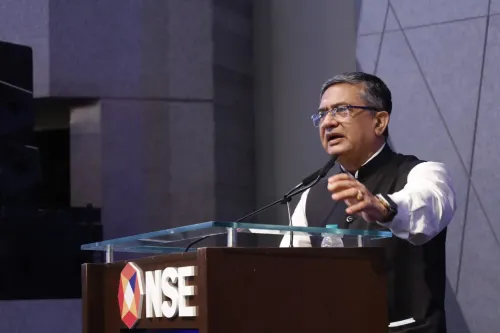
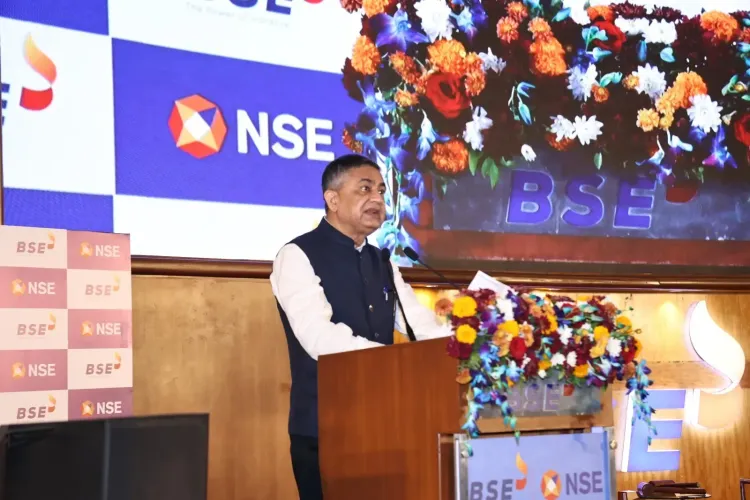
National Stock Exchange (NSE) Managing Director and CEO Ashish Kumar Chauhan on Saturday, 24 October 2026, sounded a sharp alert on the rising threat of AI-driven cyberattacks, urging stockbrokers to treat cybersecurity as a core operational function and warning that weaknesses at any single member could compromise the integrity of India's entire trading network.
Key Warning at ANMI Convention
Speaking at the ANMI International Capital Market Convention 2026 in Mumbai, Chauhan said the exchange is actively reviewing every component of its network for vulnerabilities amid a growing wave of AI-enabled cyber threats. 'Every member has to now take that out as a main function to ensure that integrity of our trading framework across India, across all members is maintained,' he said.
Chauhan called on industry body ANMI to constitute a dedicated task force to identify risks, coordinate incident responses, and assist market participants in shoring up their defences. He added that NSE is prepared to support brokers through workshops and technical guidance, and would engage with the regulator to facilitate system upgrades across members.
Quantum Computing: The Longer-Term Threat
Beyond the immediate AI risk, Chauhan flagged the longer-term challenge posed by quantum computing, which could potentially undermine cryptographic systems — including those used in secure financial communications. He stressed that market participants must prepare for both near-term AI-enabled threats and the structural risks that quantum advances will eventually introduce.
Brokers without in-house technical capabilities were specifically advised to build them or engage external advisers. Chauhan noted that while technology has been central to capital market functioning since NSE's early years, participants can no longer afford to fall behind as the threat landscape evolves.
Recent Incidents Underline the Risk
Chauhan's address comes against a backdrop of documented breaches in India's financial sector. Earlier in October 2026, the country's largest lender, State Bank of India (SBI), reported a data breach in which 3,897 customer records were reportedly found exposed on the dark web. Separately, Punjab National Bank (PNB) had cautioned customers against a surge in AI-enabled frauds — including voice cloning, deepfakes, and phishing attacks.
These incidents illustrate that the threat is no longer theoretical: state-owned lenders with significant IT resources have already been affected, raising the stakes for smaller brokerage firms with more limited defences.
Implications for Market Participants
The NSE chief's intervention signals a shift in regulatory expectation — cybersecurity is increasingly being treated as a market-integrity issue, not merely an individual firm's IT problem. Analysts note that a successful cyberattack on a significant broker could trigger settlement disruptions, erode investor confidence, and attract regulatory scrutiny across the exchange ecosystem. The proposed ANMI task force, if constituted, would mark one of the first coordinated industry-level cyber-response mechanisms in Indian capital markets.
With the Securities and Exchange Board of India (SEBI) having issued cybersecurity framework guidelines in recent years, the pressure on brokers to comply and demonstrate resilience is mounting. How quickly individual members act on Chauhan's call could determine the sector's vulnerability window in the months ahead.
Point of View
While welcome, is advisory; without SEBI mandating minimum cybersecurity standards with teeth, participation will likely be uneven. The quantum computing alert, though further out, deserves more attention than it will get: cryptographic obsolescence is not a theoretical risk but a planning horizon that financial infrastructure needs to price in now. India's capital markets have grown faster than their collective cyber-readiness, and the SBI and PNB incidents suggest the gap is already being exploited.
NationPress
24 Oct 2026
Frequently Asked Questions
What did NSE CEO Ashish Kumar Chauhan say about AI cyberattacks?
Chauhan warned at the ANMI International Capital Market Convention 2026 in Mumbai that AI-driven cyberattacks pose a serious risk to India's trading framework, and that vulnerabilities at any single broker could affect the integrity of the broader market network. He urged all stockbrokers to treat cybersecurity as a primary operational function.
What is the ANMI task force that NSE has proposed?
Chauhan called on the Association of National Exchanges Members of India (ANMI) to constitute a dedicated task force to identify cyber risks, coordinate responses, and help market participants address vulnerabilities. This would be one of the first coordinated industry-level cyber-response mechanisms in Indian capital markets.
Why did NSE raise concerns about quantum computing?
Quantum computing has the potential to break current cryptographic systems, including those used in secure financial communications. Chauhan flagged this as a longer-term structural threat that market participants must begin preparing for alongside the more immediate risks from AI-enabled attacks.
What recent cyberattacks on Indian banks prompted this warning?
Earlier in October 2026, State Bank of India reported a data breach in which 3,897 customer records were found exposed on the dark web. Punjab National Bank separately alerted customers to a surge in AI-enabled frauds including voice cloning, deepfakes, and phishing, underscoring the growing threat to India's financial sector.
What should brokers without in-house cybersecurity expertise do?
Chauhan specifically advised brokers lacking internal technical capabilities to either build them or engage qualified external advisers. NSE has offered to support members through workshops and coordination with the regulator to facilitate system-level upgrades.