CM Sai Raises Honorarium for Bastar's Manjhi-Chalaki Tradition-Bearers
Synopsis
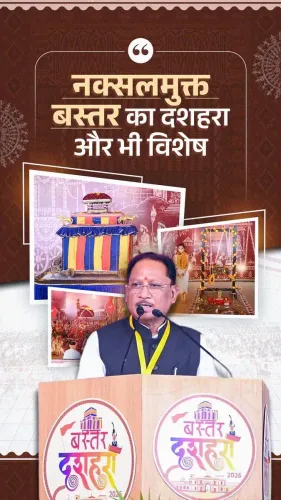
The Chhattisgarh government under CM Vishnu Deo Sai has announced an honorarium increase for Manjhi-Chalaki functionaries, the hereditary custodians of Bastar's tribal traditions, as Bastar Dussehra 2026 and the Muria Darbar unfold.
Key Takeaways
The Chhattisgarh CMO announced an honorarium hike for Manjhi-Chalaki functionaries during Bastar Dussehra 2026 .
Manjhi and Chalaki are hereditary village-level custodians of Bastar's tribal customs and festival rituals.
The decision was taken under Chief Minister Vishnu Deo Sai , who is himself from a tribal community.
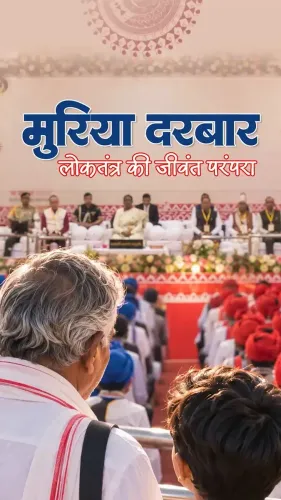
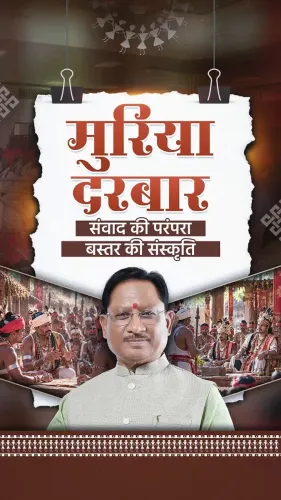
The announcement coincides with Muria Darbar , the tribal assembly held as part of the Bastar Dussehra festivities.
The exact amount of the increase and disbursement timeline have not been officially disclosed.
The move continues a pattern of successive Chhattisgarh governments using cultural recognition to strengthen state-tribal ties in Bastar .
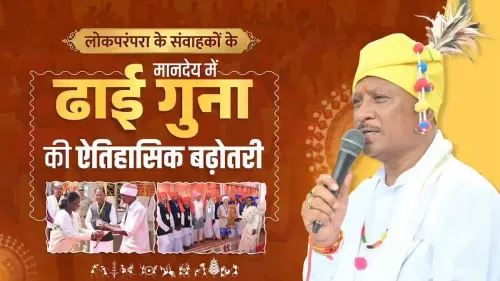
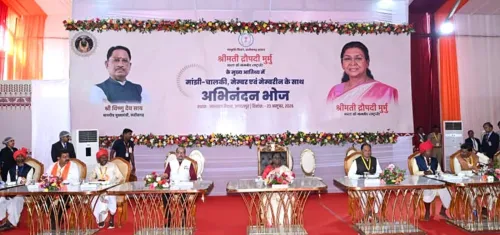
At the heart of Bastar Dussehra 2026, one of India's most distinctive tribal festivals, the Chhattisgarh Chief Minister's Office has announced a raise in honorarium for Manjhi-Chalaki functionaries — the hereditary custodians who keep the region's centuries-old customs alive. The decision, taken under Chief Minister Vishnu Deo Sai, arrives just as Muria Darbar, the grand tribal assembly at the festival's core, draws attention to Bastar's irreplaceable cultural inheritance.
Who the Manjhi-Chalakis Are — and Why They Matter
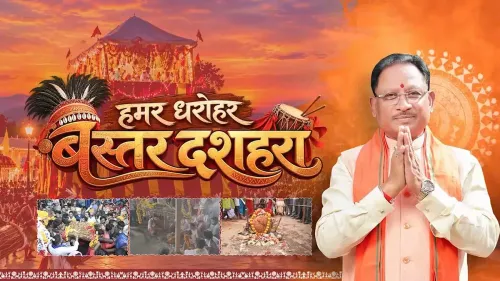
In Bastar's tribal social order, Manjhi and Chalaki are traditional village-level functionaries who serve as the institutional memory of their communities. They preside over rituals, settle local disputes, and anchor the ceremonial framework of events like Bastar Dussehra — a festival that blends Hindu and Gondi tribal traditions over roughly 75 days, making it among the longest running in the subcontinent. Without them, the festival loses its authenticity.
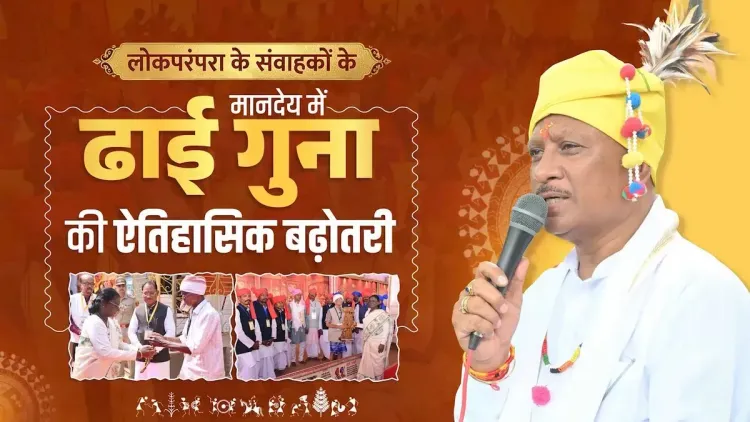
The CMO's post put it plainly: 'मांझी-चालकी साथियों के मानदेय में वृद्धि का निर्णय लेकर परंपराओं के संवाहकों के योगदान को सम्मान दिया है' — 'by deciding to increase the honorarium for Manjhi-Chalaki friends, the government has honoured the contribution of those who carry traditions forward.'
Bastar Dussehra as a Political and Cultural Battlefield
Successive Chhattisgarh governments have used cultural recognition and financial incentives for tribal functionaries in Bastar as a deliberate tool of outreach. The region has long been at the intersection of insurgency and identity — where the state's presence is measured not just in roads and rations, but in whether it respects the customs that give communities their cohesion. A modest honorarium revision is a small gesture; the signal it sends is larger.
Chief Minister Vishnu Deo Sai, himself from a tribal community in northern Chhattisgarh, has framed cultural preservation as a pillar of what his government calls sushasan — good governance. This announcement lands under the hashtag #ViksitChhattisgarh, linking cultural dignity to the broader development narrative.
What Remains Unconfirmed
The exact quantum of the honorarium increase and the previous baseline figure have not been disclosed in the official post. The timeline for disbursement ahead of festival preparations is also awaited. Those specifics will determine whether the revision is a meaningful livelihood boost or largely symbolic — and the tribal communities of Bastar will be watching closely.
Point of View
High-signal move by the Sai government — leveraging a cultural moment to reinforce its tribal outreach credentials. In Bastar, where the state has historically struggled to build legitimacy amid insurgency, recognising hereditary tradition-bearers during the region's biggest festival is politics and policy simultaneously. CM Sai's tribal identity gives the gesture added authenticity, but the absence of specific figures means scrutiny will follow once the actual disbursement is made public. Framing it under '#ViksitChhattisgarh' also ties cultural dignity to the BJP's broader development narrative ahead of any future electoral cycle.
NationPress
24 Oct 2026
Frequently Asked Questions
Who are Manjhi and Chalaki in Bastar?
Manjhi and Chalaki are hereditary tribal functionaries in Bastar who serve as village-level custodians of customs, presiding over rituals and community ceremonies, especially during Bastar Dussehra.
What is Bastar Dussehra and why is it unique?
Bastar Dussehra is an annual festival in the Bastar region of Chhattisgarh that blends Hindu and Gondi tribal traditions, lasting roughly 75 days — making it one of the longest-running festivals in India.
What did the Chhattisgarh government announce for Manjhi-Chalaki functionaries?
The Chhattisgarh government under CM Vishnu Deo Sai announced an increase in the honorarium paid to Manjhi-Chalaki functionaries to honour their contribution to preserving Bastar's tribal traditions.
What is Muria Darbar at Bastar Dussehra?
Muria Darbar is a traditional tribal assembly held as part of Bastar Dussehra where community leaders and functionaries gather, representing one of the most important gatherings of Bastar's tribal social order.
How much has the Manjhi-Chalaki honorarium been increased?
The exact quantum of the increase has not been officially disclosed in the announcement; details on the new amount and disbursement timeline are yet to be confirmed by the Chhattisgarh government.