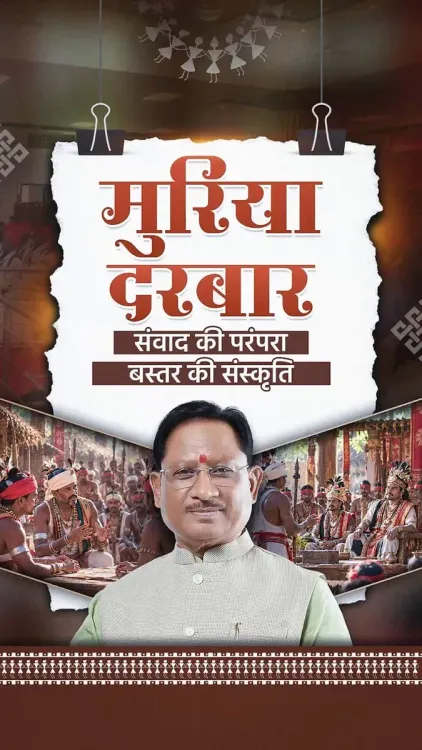
CM Sai Honours Muria Darbar, Bastar's Tribal Parliament
Synopsis
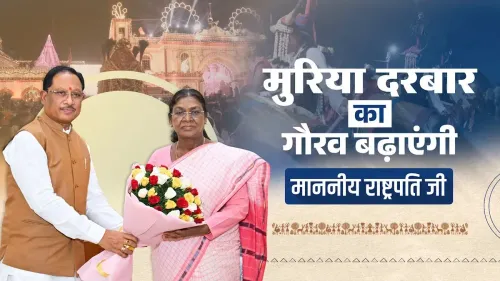
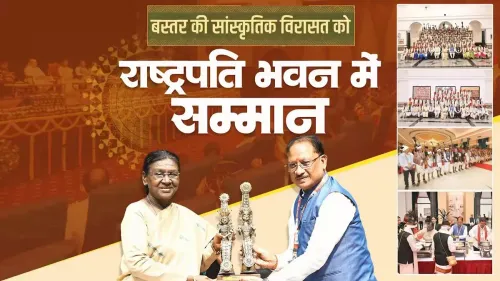
Chhattisgarh CM Vishnu Deo Sai honoured the Muria Darbar — Bastar's centuries-old tribal parliament — during the 75-day Bastar Dussehra, calling it the pride of the state's indigenous cultural identity.
Key Takeaways
CM Vishnu Deo Sai posted on October 23, 2026 celebrating the Muria Darbar , Bastar's indigenous tribal assembly.
The Muria Darbar functions as an ancient people's parliament, allowing tribal communities to voice concerns and deliberate collectively.
Bastar Dussehra spans 75 days , making it one of India's longest festivals, shaped by tribal rather than pan-Hindu rituals.
The festival and assembly are rooted in Bastar , southern Chhattisgarh, home to significant Adivasi populations with a distinct cultural identity.
CM Sai's tribute aligns with the BJP-led state government's broader pattern of promoting Chhattisgarh's tribal heritage.
Deep in the forests of southern Chhattisgarh, an ancient tradition still speaks louder than modern governance — and Chhattisgarh Chief Minister Vishnu Deo Sai wants the country to hear it. On Friday, October 23, 2026, the CM took to X to celebrate the Muria Darbar, Bastar's storied indigenous people's assembly, calling it a living symbol of the region's tribal identity during the ongoing Bastar Dussehra festivities.
In his post, CM Sai wrote: 'Bastar ki gauravshali parampara, aadim jansansad — Muria Darbar!!' ('The glorious tradition of Bastar, the ancient people's parliament — Muria Darbar!!'), describing it as a unique legacy that honours every voice and preserves tribal culture — 'hamari sanskritik pahchaan ka gaurav' ('the pride of our cultural identity').
What the Muria Darbar actually is
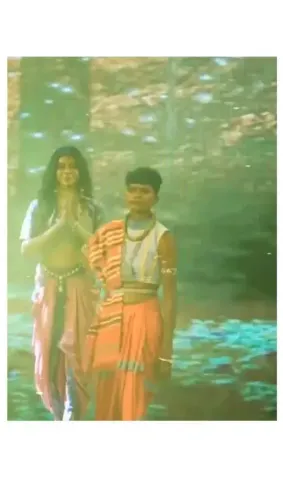
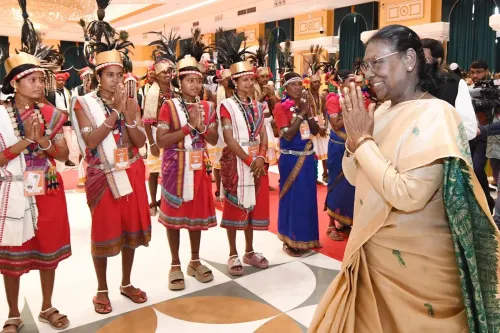
The Muria Darbar is no ceremonial relic. It functions as a grassroots tribal assembly in Bastar, the expansive southern region of Chhattisgarh defined by dense forests, significant Adivasi populations, and a cultural ecosystem distinct from the rest of central India. Communities gather, deliberate, and give voice to collective concerns — a form of participatory governance that predates modern institutions by centuries.
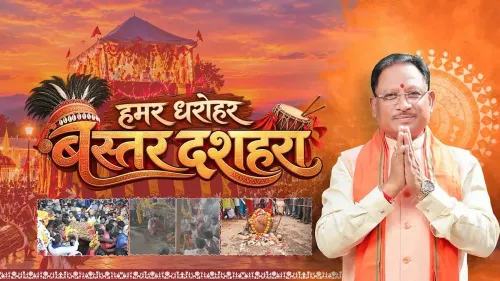
The assembly is woven into the fabric of Bastar Dussehra, itself unlike any other Dussehra observed across India. Spanning 75 days, it is one of the world's longest-running festivals, shaped by indigenous rituals rather than pan-Hindu Ramlila narratives. The Muria Darbar sits at its democratic heart, giving tribal communities a formal platform for consultation and cultural expression during the festival cycle.
Bastar's tribal identity and state politics
For Chhattisgarh's BJP government, the spotlight on Bastar Dussehra and the Muria Darbar is consistent with a broader pattern of positioning the state as a custodian of India's tribal heritage. Leaders in Raipur have periodically amplified these traditions as markers of cultural pride — part of a conscious effort to foreground Adivasi identity in a state where tribal communities form a substantial share of the population.
CM Sai, himself from a tribal background, lends particular resonance to the tribute. His voice on these traditions carries both political weight and personal authenticity in a region that has long sought recognition of its distinct cultural geography.
The Muria Darbar is not just a festival footnote. It is Bastar's oldest democratic institution — and every year it reconvenes, it makes the case that some forms of self-governance were never lost, only overlooked.
Point of View
' the CM reinforces a governance narrative that draws legitimacy from indigenous roots rather than purely administrative achievement. The emphasis on the Muria Darbar as a 'people's parliament' also subtly elevates participatory tribal governance as a counterpoint to criticisms of top-down policymaking in conflict-affected regions like Bastar. Watch whether these symbolic endorsements translate into concrete policy protections for tribal land rights and cultural institutions in the state's budget cycles.
NationPress
23 Oct 2026
Frequently Asked Questions
What is the Muria Darbar in Bastar?
The Muria Darbar is a traditional tribal assembly in Bastar, Chhattisgarh, often described as an ancient indigenous people's parliament where tribal communities gather to deliberate and voice collective concerns. It is a central feature of the Bastar Dussehra festival.
How long does Bastar Dussehra last?
Bastar Dussehra spans 75 days , making it one of the longest-running festivals in India. Unlike mainstream Dussehra celebrations, it is shaped by indigenous tribal rituals specific to the Bastar region of Chhattisgarh.
Why did CM Vishnu Deo Sai post about Muria Darbar?
CM Vishnu Deo Sai posted on October 23, 2026 to celebrate and promote the Muria Darbar as a symbol of Bastar's tribal cultural heritage during the Bastar Dussehra season, describing it as the pride of Chhattisgarh's cultural identity.
What is the significance of Bastar's tribal culture in Chhattisgarh politics?
Tribal communities form a substantial share of Chhattisgarh's population, making their cultural recognition and political representation a key concern. Leaders in the state, including CM Sai who himself has a tribal background, regularly highlight Adivasi traditions to affirm cultural identity and political connect.
Where is Bastar located?
Bastar is a region in the southern part of Chhattisgarh, central India. It is known for its dense forests, significant Adivasi populations, and a distinct cultural and tribal ecosystem that sets it apart from other parts of the state.