CM Sai Hikes Bastar Tribal Functionaries' Honorarium 2.5x
Synopsis
Chhattisgarh CM Vishnu Deo Sai announced a 2.5x hike in monthly honorarium for Bastar's Manjhi and Chalki tribal functionaries — from ₹2,000 to ₹5,000 and ₹1,500 to ₹3,500 respectively — fulfilling a demand raised at the Muria Darbar during Bastar Dussehra 2026.
Key Takeaways
CM Vishnu Deo Sai announced the honorarium revision on 24 October 2026 during Bastar Dussehra 2026 .
Manjhi monthly honorarium raised 2.5x — from ₹2,000 to ₹5,000 .
Chalki monthly honorarium raised from ₹1,500 to ₹3,500 , also approximately a 2.5-fold increase.
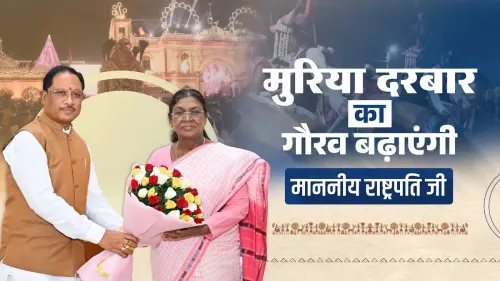
The hike directly fulfils a demand placed at the Muria Darbar , the traditional tribal assembly held during Bastar Dussehra.
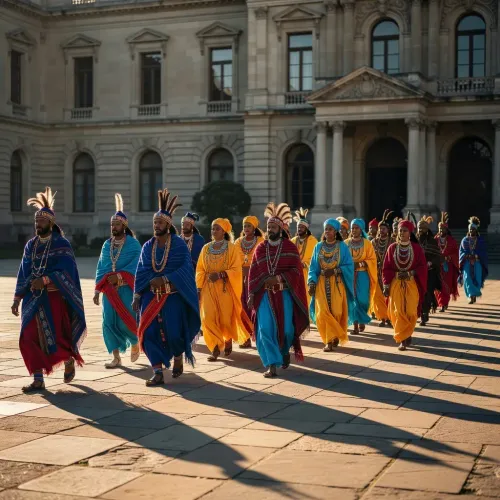
Manjhis and Chalkis are hereditary custodians of Muria cultural customs, rituals, and oral traditions in Bastar , southern Chhattisgarh.
Implementation timeline and formal government order are the key next steps to watch.
At the heart of Bastar's living cultural calendar, the Muria Darbar is the moment when tribal communities speak — and this time, the Chhattisgarh government answered. Chief Minister Vishnu Deo Sai announced on Saturday, 24 October 2026, that the state has more than doubled the monthly honorarium for Manjhi and Chalki functionaries, who have been the custodians of Muria customs and rituals across generations in Bastar.
Posting on the occasion of Bastar Dussehra 2026, CM Sai wrote that the contributions of Manjhi-Chalki 'saathiyon' [companions] in preserving Bastar's rich culture and proud traditions over generations have been invaluable. He stated that, fulfilling the demand placed at the Muria Darbar, the government has decided to raise the monthly honorarium for Manjhis from ₹2,000 to ₹5,000 — a 2.5-fold increase — and for Chalkis from ₹1,500 to ₹3,500, also roughly a 2.5-fold hike.Who are the Manjhis and Chalkis of Bastar?
Bastar, a vast southern belt of Chhattisgarh, is home to one of India's most distinctive tribal cultures. The Muria community has long relied on Manjhi and Chalki functionaries — village-level traditional leaders and their deputies — to preserve oral histories, rituals, and customary governance. The role is hereditary and largely thankless in financial terms; the state honorarium has historically been a token acknowledgment rather than meaningful support.
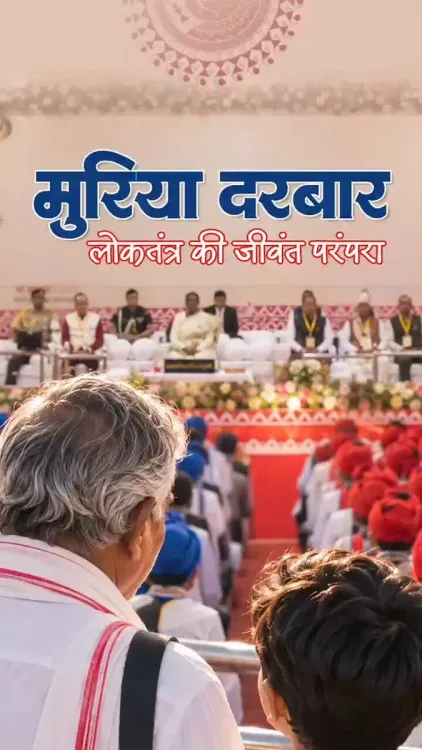
The Muria Darbar, convened annually during Bastar Dussehra, is a traditional assembly where community representatives place demands directly before authorities — a practice that dates back centuries and predates the formal democratic structure. It is not a protest; it is a constitutional moment in its own right, one that Chhattisgarh governments have periodically engaged with to adjust support for these roles.
The Muria Darbar demand that triggered this decision
This revision was not a unilateral government announcement — it was a direct response to a demand raised at the Muria Darbar itself. That distinction matters. It places the Manjhi and Chalki communities in the role of active claimants rather than passive beneficiaries, and it signals that the Darbar retains real leverage in shaping state policy toward tribal cultural roles.
Chhattisgarh governments across administrations have periodically revised such honorariums, situating this announcement within a longer arc of state engagement with Bastar's tribal institutions. The region's history of left-wing extremism has also made cultural outreach a dimension of broader governance strategy — keeping traditional structures alive and economically viable is seen as part of stabilising community life.
What the hike means on the ground
The numbers are modest in absolute terms — a Manjhi will now receive ₹5,000 per month against the earlier ₹2,000, while a Chalki moves from ₹1,500 to ₹3,500. But the symbolic weight of a 2.5x increase in a single revision is significant. For functionaries who often serve without formal employment, every rupee of state recognition reinforces both their material standing and the legitimacy of the roles they hold.
The announcement lands during Bastar Dussehra 2026, a festival that runs for over 75 days and is considered one of the longest and most elaborate tribal festivals in the world — making this a high-visibility moment for any state action tied to Muria cultural life. Whether the revised payments begin flowing immediately or require a formal implementation order will be the test that follows the political announcement.
For Bastar's Muria custodians, the Darbar has spoken — and for once, the answer came back fast.
Point of View
CM Sai reinforces the idea that traditional tribal assemblies carry real policy weight, which is useful optics in a tribal-majority region heading into future election cycles. The 2.5x revision is larger than incremental adjustments seen under previous administrations, suggesting a deliberate signal rather than routine upkeep. Whether it translates into durable goodwill or remains a festival-season gesture will depend entirely on how quickly and consistently the revised payments reach the functionaries on the ground.
NationPress
24 Oct 2026
Frequently Asked Questions
What is the new monthly honorarium for Manjhis in Bastar?
The monthly honorarium for Manjhis in Bastar has been increased from ₹2,000 to ₹5,000, a 2.5-fold rise announced by CM Vishnu Deo Sai on 24 October 2026.
What is the Muria Darbar and why is it significant?
The Muria Darbar is a centuries-old traditional assembly convened during Bastar Dussehra where Muria community representatives place demands before state authorities. It holds real policy leverage and has historically influenced state decisions on tribal welfare.
Who are Manjhis and Chalkis in Bastar?
Manjhis and Chalkis are hereditary tribal functionaries in Bastar's Muria community. They serve as custodians of oral traditions, rituals, and customary governance, preserving cultural practices across generations.
What is Bastar Dussehra?
Bastar Dussehra is one of the world's longest tribal festivals, running for over 75 days in the Bastar region of Chhattisgarh. It is distinct from the mainstream Dussehra celebration and is rooted in Muria and Gondi tribal traditions.
What was the Chalki honorarium before and after the hike?
The monthly honorarium for Chalkis was raised from ₹1,500 to ₹3,500 — approximately a 2.5-fold increase — as part of the same announcement made at Bastar Dussehra 2026.