CM Sai Raises Bastar Manjhi-Chalaki Honorarium by Up to 150%
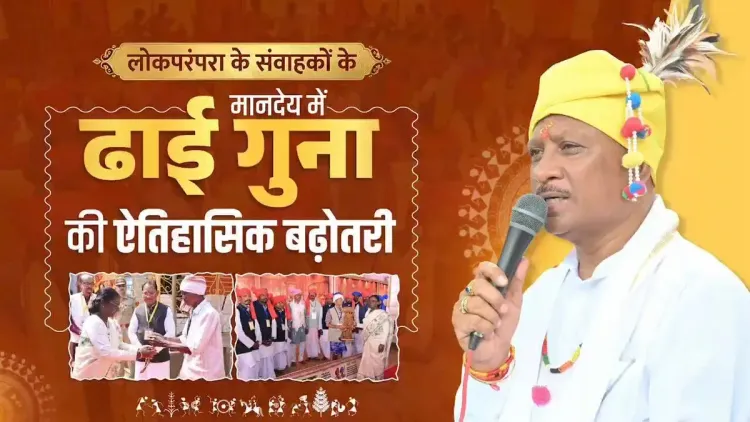
Synopsis
Chhattisgarh CM Vishnu Deo Sai announces a sharp hike in monthly honorariums for Bastar's traditional Manjhi and Chalaki leaders — from ₹2,000 to ₹5,000 and ₹1,500 to ₹3,500 respectively — honouring a demand placed at the Muria Darbar tribal assembly.
Key Takeaways
Manjhi honorarium raised from ₹2,000 to ₹5,000 per month — a 150% increase.
Chalaki honorarium raised from ₹1,500 to ₹3,500 per month — a 133% increase.
The decision directly fulfils a demand placed by community leaders at the Muria Darbar tribal assembly.
Manjhis and Chalakis are customary village-level leaders in Bastar responsible for preserving tribal traditions and resolving social disputes.
CM Vishnu Deo Sai framed the hike as an expression of respect for guardians of Bastar's cultural heritage, not merely a financial revision.
The move fits a broader pattern of Chhattisgarh governments supporting traditional institutions in scheduled and Naxal-affected areas of Bastar.
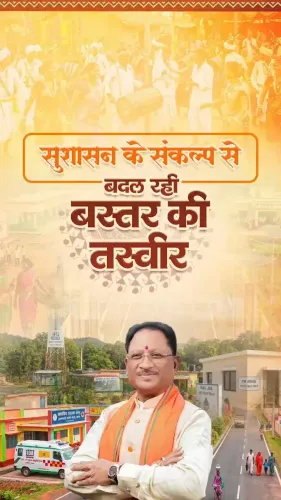
Deep in the forested heartland of Bastar, a network of traditional leaders has quietly kept tribal customs alive for generations — and on Saturday, 24 October 2026, Chhattisgarh Chief Minister Vishnu Deo Sai announced a significant financial upgrade for exactly these custodians. The state government has decided to raise the monthly honorarium for Manjhis from ₹2,000 to ₹5,000 and for Chalakis from ₹1,500 to ₹3,500 — increases of 150% and 133% respectively.
Posting in Hindi on X, CM Sai framed the decision as far more than a budget line item. 'यह केवल मानदेय में वृद्धि नहीं' ('this is not merely a rise in honorarium'), he wrote, calling it instead 'an expression of respect and affection' for those who keep Bastar's living traditions alive.
What sparked the revision — the Muria Darbar demand
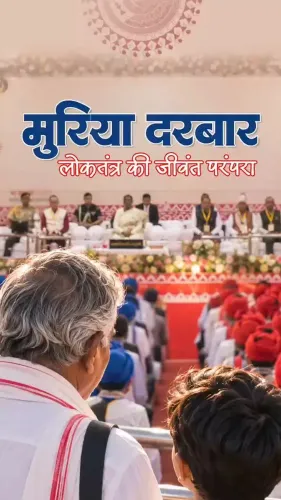
The hike directly honours a demand placed at the Muria Darbar, the assembly of the Muria tribal community in Bastar, where Manjhi and Chalaki representatives formally raised the issue of inadequate honorariums. In tribal governance across Bastar's scheduled areas, Manjhis function as village-level customary heads — arbiters of social disputes, custodians of ritual practice — while Chalakis serve as their deputies and messengers within the community hierarchy. The state government's tradition of paying these functionaries a monthly stipend acknowledges their quasi-administrative role in regions where formal and customary governance overlap.
CM Sai described the Manjhi-Chalaki community as 'अनमोल विरासत के सच्चे संरक्षक' — 'true guardians of an invaluable heritage' — rooted in the 'माटी' (soil) of Bastar itself.
Bastar's customary leaders and the state's balancing act
Bastar, spanning southern Chhattisgarh, carries one of India's richest concentrations of tribal cultural identity — and one of its most complex administrative challenges. Chhattisgarh governments across party lines have periodically revised financial support for customary roles in scheduled areas, treating traditional leaders as a parallel layer of social infrastructure rather than a relic to be bypassed. Keeping these functionaries solvent and respected is widely seen as essential to maintaining community trust in Naxal-affected districts where formal state reach remains uneven.
The latest revision continues that lineage — but the scale of the jump is notable. Roughly doubling and trebling the honorarium in a single announcement signals a deliberate gesture, not an incremental cost-of-living nudge.
What to watch next
The actual impact will hinge on timely disbursement of the revised amounts and whether follow-up announcements extend support to other customary roles within Bastar's tribal institutional structure. For now, several hundred Manjhi and Chalaki functionaries across the region stand to receive the upgraded stipends — a concrete, immediate change to livelihoods that have long sustained Bastar's cultural memory.
Bastar's soil has always told its own story. The state just agreed to pay a little more to the people who speak it.
Point of View
Bypassing the perception that welfare flows top-down from the state. The timing also reinforces a wider BJP narrative of culturally sensitive tribal outreach, positioning traditional institutions as partners in governance rather than obstacles to modernisation. Whether the hike translates into sustained goodwill will depend entirely on how quickly the revised stipends reach functionaries on the ground.
NationPress
24 Oct 2026
Frequently Asked Questions
What is the new monthly honorarium for Manjhis in Bastar after CM Sai's announcement?
The monthly honorarium for Manjhis has been raised from ₹2,000 to ₹5,000 following the announcement by Chhattisgarh Chief Minister Vishnu Deo Sai on 24 October 2026.
What is the new monthly stipend for Chalakis in Chhattisgarh?
Chalakis will now receive ₹3,500 per month , up from ₹1,500 — an increase of over 133% announced by CM Vishnu Deo Sai.
Who are Manjhis and Chalakis in Bastar?
Manjhis are traditional village-level customary heads in Bastar who arbitrate social disputes and preserve tribal rituals. Chalakis are their deputies within the community's customary governance hierarchy.
What is the Muria Darbar and why does it matter?
The Muria Darbar is a tribal assembly of the Muria community in Bastar where community leaders formally present demands to the government. The honorarium hike directly responds to demands raised at this assembly.
Why does Chhattisgarh pay honorariums to tribal customary leaders?
Chhattisgarh has long maintained monthly stipends for tribal functionaries in scheduled areas to support traditional institutions that play a key social and cultural role, particularly in Bastar's Naxal-affected districts where formal state reach can be limited.