Amit Shah reviews cooperative banks, organic exports push in key meetings
Synopsis
Amit Shah's back-to-back cooperative sector reviews on 18 June went well beyond routine oversight — directing AI-driven cyber fraud integration for cooperative banks, pushing NCOL to source from more organic farmers nationwide, and tasking NCEL with cracking new international markets. With COBI, SSPL, and NUCFDC all in the frame, the Centre is assembling an institutional architecture to modernise a sector that touches millions of rural households.
Key Takeaways
Amit Shah chaired cooperative sector review meetings in New Delhi on 18 June .
Discussions covered the proposed Cooperative Bank of India (COBI) and its role in strengthening the cooperative banking sector.
MuleHunter.AI integration with the Indian Cyber Crime Coordination Centre (I4C) is planned to enhance fraud risk management in cooperative banks.
All Rural Cooperative Banks directed to join SSPL ; all Urban Cooperative Banks directed to join NUCFDC .
NCOL was directed to scale up procurement from a larger base of organic farmers across India.
NCEL was tasked with expanding international market linkages and developing export opportunities for niche and value-added cooperative products.
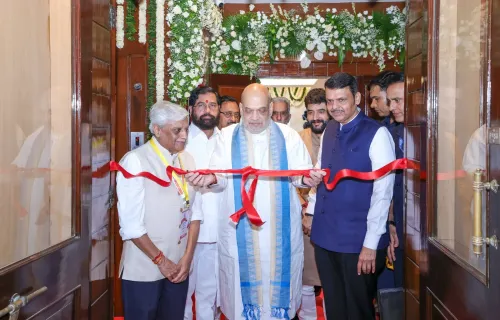
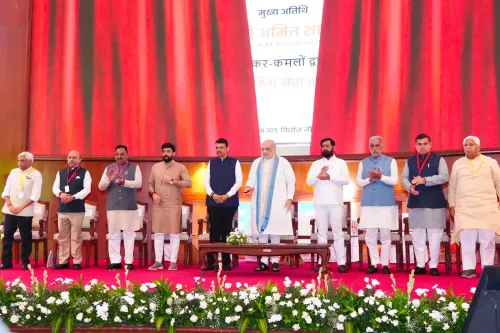
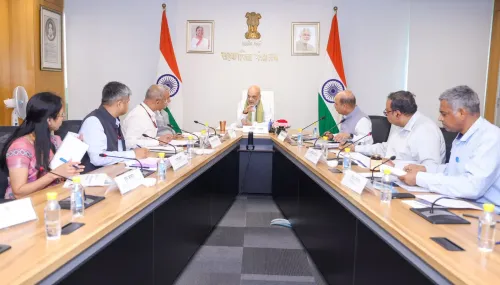
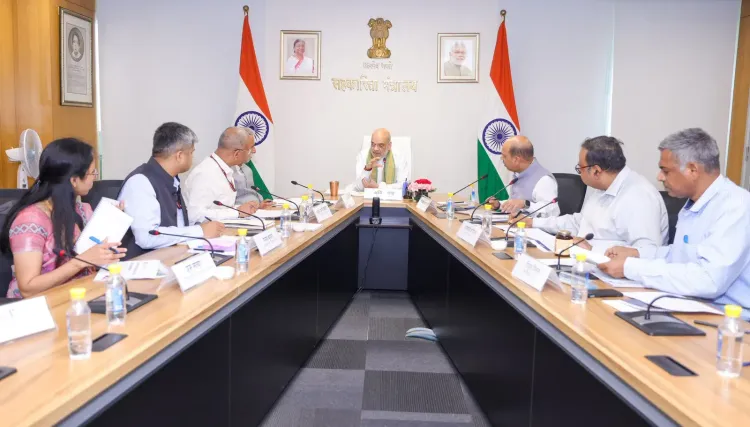
Union Home Minister and Cooperation Minister Amit Shah on Thursday, 18 June chaired a series of high-level review meetings in New Delhi, focusing on strengthening India's cooperative banking ecosystem, scaling up organic produce procurement, and expanding the global footprint of cooperative exports. The meetings, held with national-level cooperative institutions, signal a renewed push to modernise the sector through technology and governance reforms.
Cooperative Banking: Technology and Cyber Security in Focus
Shah took stock of ongoing efforts to upgrade the cooperative banking sector through technology adoption, improved governance, cyber security, digital payments, and common service platforms. A key item on the agenda was the proposed Cooperative Bank of India (COBI) and its envisioned role in anchoring the cooperative banking ecosystem in the years ahead.
Notably, discussions centred on the integration of MuleHunter.AI with the Indian Cyber Crime Coordination Centre (I4C) — a move aimed at bolstering fraud risk management and cyber security capabilities across cooperative banks. According to an official statement, this integration is expected to sharpen the preparedness of cooperative banks against emerging digital threats and reinforce trust in digital cooperative banking services.
What the Minister Directed
Shah emphasised that all Rural Cooperative Banks should enrol as members of Sahakar Sarathi Private Limited (SSPL), while all Urban Cooperative Banks should join the National Urban Cooperative Finance and Development Corporation Limited (NUCFDC) and actively avail services from both institutions. He underlined the critical roles of COBI, SSPL, and NUCFDC in building a resilient cooperative banking architecture, stressing the need for robust cyber security frameworks, modern banking technology, and sustainable business models.
Organic Produce and Export Ecosystem
In a separate review, Shah assessed the activities and future roadmaps of the National Cooperative Organics Limited (NCOL) and the National Cooperative Exports Limited (NCEL). The NCOL review focused on membership expansion, procurement of organic produce, and marketing strategies, with Shah directing the body to scale up sourcing from a larger number of organic farmers across the country. This, officials said, would strengthen the organic ecosystem, enhance farmers' incomes, and promote sustainable agricultural practices.
The NCEL review zeroed in on expanding market linkages in international markets for cooperative products. Shah directed NCEL to deepen engagement with member cooperatives, work closely with various Union government ministries and departments, and actively identify export opportunities for niche and value-added products to improve their global presence.
Co-op Mark and International Expansion
The meetings also reviewed plans for the rollout of the Co-op Mark — a branding initiative for cooperative products — alongside expansion through Central government agencies and entry into new international markets. The identification of emerging strategic opportunities to enhance the reach, visibility, and global competitiveness of cooperative-sector products was flagged as a priority.
This comes amid a broader government push to position India's cooperative sector as a significant contributor to agricultural exports and rural income, building on the establishment of the dedicated Ministry of Cooperation in 2021. With COBI, NCOL, and NCEL all at varying stages of operationalisation, the pace of institutional rollout will be closely watched in the months ahead.
Point of View
NCOL's organic procurement is nascent, and NCEL's international market presence is still limited — yet the government's ambition is large. The MuleHunter.AI integration is a genuinely forward-looking cyber security move, but its impact depends entirely on adoption rates among thousands of heterogeneous cooperative banks. The deeper question is whether directing membership in SSPL and NUCFDC translates into genuine service uptake or remains a compliance checkbox. India's cooperative sector has a long history of institutional creation without institutional effectiveness.
NationPress
20 Sept 2026
Frequently Asked Questions
What is the Cooperative Bank of India (COBI)?
The Cooperative Bank of India (COBI) is a proposed national-level institution intended to support and strengthen the cooperative banking sector in India. Detailed discussions on its structure and role were held during Amit Shah's review meeting on 18 June.
What is MuleHunter.AI and why is it being integrated with cooperative banks?
MuleHunter.AI is an AI-based tool being integrated with the Indian Cyber Crime Coordination Centre (I4C) to enhance fraud risk management and cyber security within cooperative banks. The integration is intended to strengthen cooperative banks' defences against emerging digital threats.
What are NCOL and NCEL?
The National Cooperative Organics Limited (NCOL) handles procurement and marketing of organic produce through cooperatives, while the National Cooperative Exports Limited (NCEL) works to expand international market access for cooperative products. Both were reviewed by Amit Shah on 18 June.
What did Amit Shah direct regarding Rural and Urban Cooperative Banks?
Shah directed all Rural Cooperative Banks to become members of Sahakar Sarathi Private Limited (SSPL) and all Urban Cooperative Banks to join the National Urban Cooperative Finance and Development Corporation Limited (NUCFDC), and to actively use services from these institutions.
What is the Co-op Mark?
The Co-op Mark is a branding initiative for products from India's cooperative sector, aimed at improving their visibility and competitiveness in domestic and international markets. Plans for its rollout were reviewed during the 18 June meetings.