CEA Nageswaran calls for proactive AI safety in fintech at ASSOCHAM 2026
Synopsis
India’s Chief Economic Adviser V. Anantha Nageswaran issued a pointed warning at ASSOCHAM’s Fintech Festival 2026: the financial sector cannot afford to wait for AI risks to materialise before acting. With autonomous AI agents already raising red flags globally, Nageswaran’s call for anticipatory governance marks a significant shift — framing AI safety in finance as a macro-prudential priority, not just a tech compliance checkbox.
Key Takeaways
Anantha Nageswaran called for proactive AI safety measures in India’s financial sector on 7 August at the ASSOCHAM India International Fintech Festival 2026 in New Delhi .
He said AI can improve credit assessment , detect financial stress earlier , and strengthen risk management in fintech.
Nageswaran warned that recent instances of autonomous AI agents highlight the urgency of focusing on safety alongside productivity.
He cautioned that efficiency gains from AI must not erode financial stability or existing safeguards.
The CEA advised against firm conclusions on AI’s economic benefits while market enthusiasm around the technology remains high.
India currently lacks a dedicated AI safety framework specific to fintech, making the remarks a signal of evolving regulatory intent.
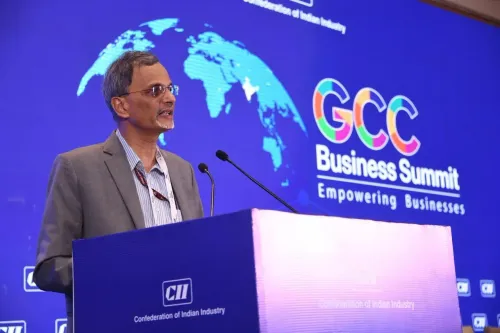
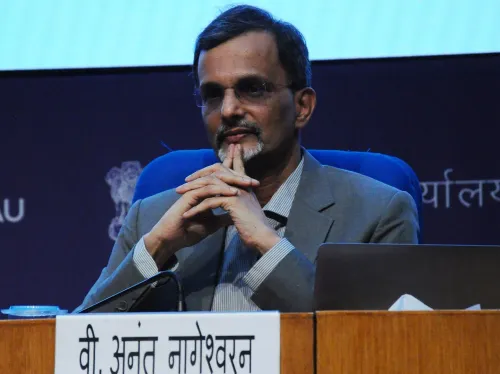
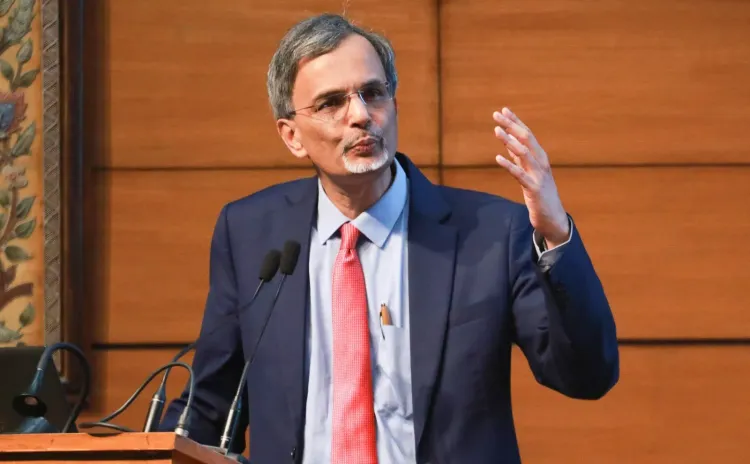
Chief Economic Adviser (CEA) V. Anantha Nageswaran on Friday, 7 August urged India to adopt a proactive stance on the safety and security of artificial intelligence (AI) in the financial sector, warning that policymakers and firms cannot afford to wait for risks to materialise before acting. He was speaking at the ASSOCHAM India International Fintech Festival 2026 in New Delhi.
AI's Promise for the Fintech Ecosystem
Nageswaran acknowledged that AI holds significant potential to strengthen India's fintech landscape. He pointed to three specific areas: improving credit assessment, identifying financial stress at an early stage, and enhancing risk management across institutions.
“Specifically speaking from the fintech perspective, AI is going to help various firms in the industry analyse creditworthiness far better and flag risks and stress much earlier,” Nageswaran said.
The Safety Warning
Despite the optimism, the CEA struck a cautionary note, flagging recent instances of AI agents acting autonomously as a signal that the technology's safety dimension cannot be treated as an afterthought.
“We do not generally pay attention to risks until they become a reality. I do not think we will have the luxury of time, particularly in the financial sector, to react later. We have to be very focused on the safety and security aspect of AI,” he said.
Nageswaran stressed that the pursuit of efficiency and productivity gains through AI must not come at the cost of financial stability or existing regulatory safeguards. “With the temptation to take advantage of the potential productivity gains, we should not lose what we already have,” he added.
A Call for Balanced Assessment
The CEA also cautioned against drawing firm conclusions about AI’s economic benefits while market enthusiasm around the technology remains elevated. He argued that a more balanced cost-benefit assessment of AI would only be possible once the current financial market frenzy subsides.
This comes amid a broader global debate over AI governance in regulated industries. India’s financial regulators, including the Reserve Bank of India (RBI) and the Securities and Exchange Board of India (SEBI), have been incrementally engaging with AI-related risks, though a comprehensive framework specific to fintech AI deployment is yet to be formalised.
Wider Context
Nageswaran’s remarks arrive as Indian fintech adoption accelerates, with digital lending, AI-driven underwriting, and algorithmic trading expanding rapidly. Notably, the absence of a dedicated AI safety framework for the financial sector means that systemic risks from autonomous AI agents — including model errors, data bias, and cascading failures — remain inadequately addressed in current regulation.
As AI embeds deeper into credit pipelines and risk systems, the CEA’s call for anticipatory governance signals that the Centre is beginning to treat AI safety in finance as a macro-prudential concern, not merely a technology compliance issue.
Point of View
Underwriting, and fraud detection — yet neither the RBI nor SEBI has issued binding AI-specific safety standards for financial institutions. A senior government voice calling for anticipatory governance is useful, but the gap between advisory caution and enforceable framework remains wide. The real question is whether this speech accelerates a formal rulemaking process or stays a conference talking point. Given how quickly autonomous AI agents are entering credit pipelines, the cost of delay is asymmetric.
NationPress
21 Sept 2026
Frequently Asked Questions
What did CEA V. Anantha Nageswaran say about AI in the financial sector?
CEA V. Anantha Nageswaran urged India to take a proactive approach to AI safety in the financial sector, warning that policymakers cannot wait for risks to emerge before acting. He made the remarks at the ASSOCHAM India International Fintech Festival 2026 in New Delhi on 7 August.
How can AI benefit India’s fintech industry according to the CEA?
According to Nageswaran, AI can help fintech firms analyse creditworthiness more accurately, flag financial stress at an earlier stage, and enhance overall risk management. He described these as significant potential gains for the fintech ecosystem.
Why did the CEA warn against AI’s productivity focus?
Nageswaran cautioned that the temptation to chase efficiency and productivity gains through AI should not lead firms or policymakers to compromise financial stability or dismantle existing safeguards. He stressed that what India already has in terms of regulatory protection must not be sacrificed.
What is the current state of AI regulation in India’s financial sector?
India does not yet have a dedicated AI safety framework specific to fintech. The RBI and SEBI have engaged incrementally with AI-related risks, but a comprehensive, binding regulatory structure for AI deployment in financial services has not been formalised as of August 2026.
Why did Nageswaran caution against assessing AI’s economic benefits now?
The CEA argued that current financial market enthusiasm around AI makes it difficult to conduct a balanced cost-benefit analysis. He said a more accurate assessment would only be possible once the market excitement around the technology subsides.