Critical mineral recycling: Kishan Reddy pledges fast-track reforms, ₹34,000 crore push
Synopsis
With ₹34,000 crore earmarked and a fast-track reform pledge on the table, India's critical mineral recycling sector got its clearest government signal yet — but the industry is still waiting on concrete timelines for the PSIC overhaul and formal sector recognition that could unlock finance and technology access.
Key Takeaways
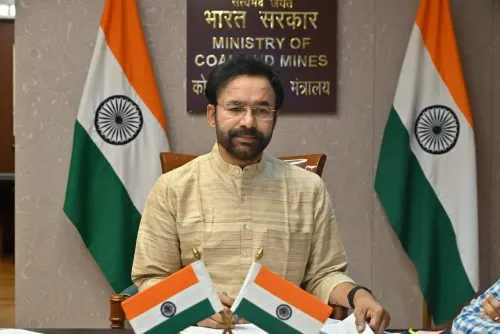
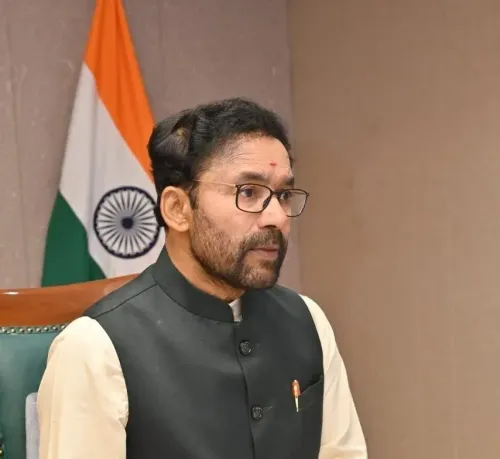
Union Coal and Mines Minister G Kishan Reddy on 21 September pledged fast-track policy reforms for India's recycling sector at the MRAI national seminar in New Delhi .
The government has earmarked nearly ₹34,000 crore for critical mineral development initiatives.
A dedicated incentive scheme for critical mineral recycling is being prepared.
Centres of Excellence through IITs and other technology institutions are proposed to advance recovery and processing research.
The industry demanded abolition of the mandatory PSIC framework for scrap imports, citing operational disruption and higher costs.
Formal recognition as an industry sector and reforms to the EPR regime were also key demands raised at the seminar.
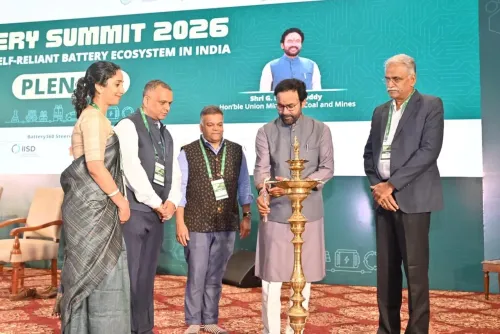
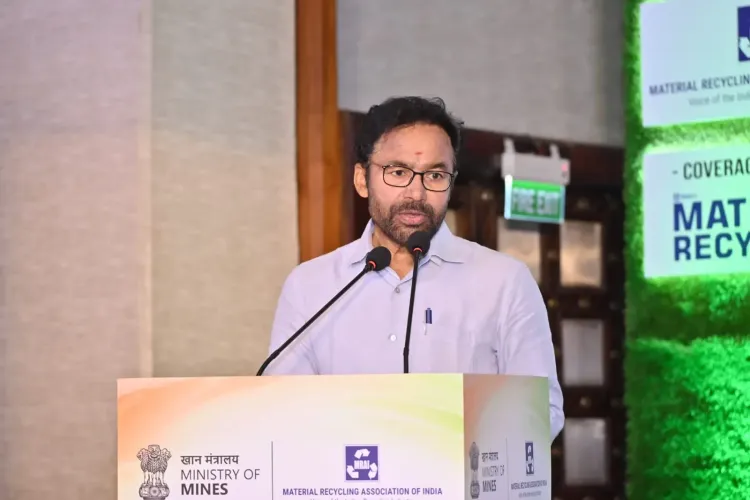
Union Coal and Mines Minister G Kishan Reddy on Monday, 21 September assured India's recycling industry that the government would swiftly examine its key demands and pursue necessary policy reforms, as the country works to build a robust critical mineral recycling ecosystem and advance its circular economy ambitions. The pledge was made in New Delhi at the Material Recycling Association of India's (MRAI) National Seminar themed 'India's Critical Mineral Recycling Ecosystem and Circular Economy.'
What the Government Committed
Minister Reddy said the government is preparing a dedicated incentive scheme for critical mineral recycling and has earmarked nearly ₹34,000 crore for critical mineral development initiatives. He added that Centres of Excellence are being proposed through IITs and other technology institutions to drive research and develop advanced recovery and processing technologies.
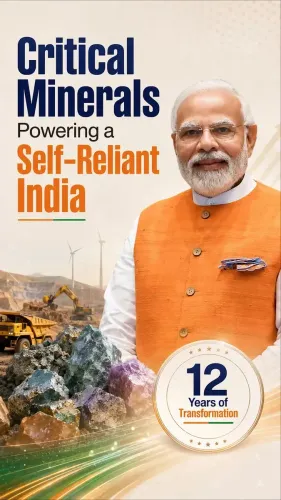
Reddy framed these moves as aligned with Prime Minister Narendra Modi's vision of self-reliance, sustainability, and technological innovation — underscoring that recycling is increasingly central to India's resource security strategy and its effort to reduce dependence on both imports and primary mining.
Industry Concerns That Prompted the Assurance
The minister's commitment followed pointed representations by industry stakeholders who raised several unresolved policy grievances. Chief among them was the mandatory Pre-shipment Inspection Certificate (PSIC) framework governing imports of ferrous and non-ferrous metal scrap — a regime that MRAI argued has disrupted operations and inflated costs. The association proposed replacing it with a technology-driven inspection framework based at Indian ports.
Industry representatives also flagged import duties on aluminium scrap and called for reforms to the Extended Producer Responsibility (EPR) regime. Notably, the sector pushed for formal recognition as an industry segment, contending that such status would meaningfully improve access to finance, technology, and government support programmes.
Why Critical Mineral Recycling Matters for India
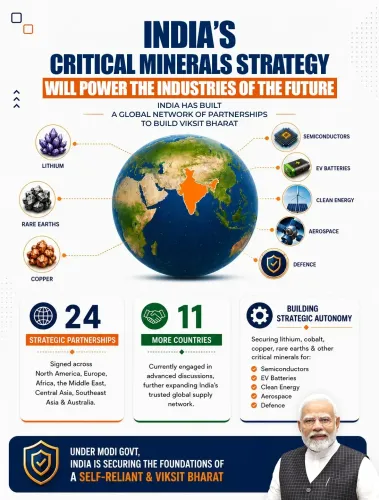
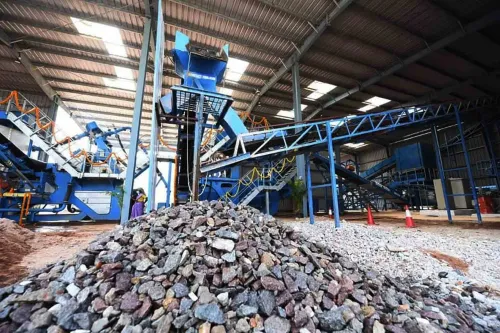
According to Reddy, India has the potential to emerge as a significant secondary source of critical minerals by recovering valuable materials from discarded products and industrial waste — a pathway that would also reduce the environmental footprint of conventional mining. This comes amid a broader global scramble for critical minerals such as lithium, cobalt, and rare earth elements, which are essential for electric vehicles, semiconductors, and clean energy infrastructure.
Reddy called for a whole-of-government and whole-of-society approach, identifying employment generation, reverse logistics, and domestic processing capabilities as the three key pillars of the recycling ecosystem. This is the third such high-level engagement between the Centre and recycling sector stakeholders this year, reflecting growing policy urgency around supply chain resilience.
What Comes Next
The government has not yet published a formal timeline for the incentive scheme or the PSIC reform, but Reddy's fast-track assurance signals that concrete proposals are expected in the near term. Industry bodies will be watching closely for follow-through, particularly on the EPR regime overhaul and the formal sector recognition demand, both of which have been pending for several years.
Point of View
000 crore earmarking sounds significant, but the recycling sector has heard supportive rhetoric before without structural follow-through. The real test is whether the PSIC framework — widely identified as an operational bottleneck — is actually dismantled or merely modified. Formal sector recognition, which would unlock institutional credit and government procurement preference, has been a standing demand for years and deserves a firm timeline, not an assurance. India's critical mineral ambitions cannot be met through primary mining alone; a functional secondary supply chain requires the same policy seriousness being applied to exploration and extraction.
NationPress
21 Sept 2026
Frequently Asked Questions
What did G Kishan Reddy announce for the recycling sector?
Minister G Kishan Reddy pledged that the government would fast-track reforms for the recycling industry and is preparing a dedicated incentive scheme for critical mineral recycling. The Centre has also earmarked nearly ₹34,000 crore for critical mineral development initiatives.
What is the PSIC framework and why does the industry want it abolished?
The Pre-shipment Inspection Certificate (PSIC) is a mandatory compliance requirement for importing ferrous and non-ferrous metal scrap into India. The recycling industry argues the regime has disrupted operations and increased costs, and has proposed a technology-based inspection system at Indian ports as an alternative.
Why is critical mineral recycling important for India?
Critical minerals such as lithium, cobalt, and rare earth elements are essential for electric vehicles, semiconductors, and clean energy infrastructure. Recycling these from discarded products and industrial waste could make India less dependent on imports and primary mining, while also reducing environmental damage.
What are Centres of Excellence in this context?
The government has proposed establishing Centres of Excellence through IITs and other technology institutions to support research and develop advanced recovery and processing technologies for critical mineral recycling.
What is the industry's demand for formal sector recognition?
The recycling industry has sought to be formally recognised as a distinct industry sector, arguing it would improve access to institutional finance, advanced technology, and government support schemes that are currently more readily available to formally classified industries.