West Bengal industrial growth: PHDCCI maps cluster-based export manufacturing push

Synopsis
A PHDCCI report released on 19 August makes the case that West Bengal's real industrial opportunity isn't raw capacity expansion — it's converting underutilised assets like IIT Kharagpur, Kolkata port and a high-literacy workforce into integrated, export-ready manufacturing clusters. With industry contributing just 23 per cent of GSVA against services at 42 per cent, the gap between potential and performance is the story.
Key Takeaways
PHDCCI released the report 'West Bengal: Mapping Agriculture and Industrial Investment Opportunities' on 19 August .
West Bengal's GSDP grew from ₹6.10 lakh crore in FY2015-16 to ₹9.42 lakh crore in FY2024-25 , a CAGR of ~4.95% .
Industry contributed only 23% of GSVA on average, against 42% from services — signalling a manufacturing gap.
The report highlights IIT Kharagpur , IIM Calcutta , ISI Kolkata and Jadavpur University as anchors of the state's technical talent base.
State literacy rate stood at approximately 85% in 2024-25 .
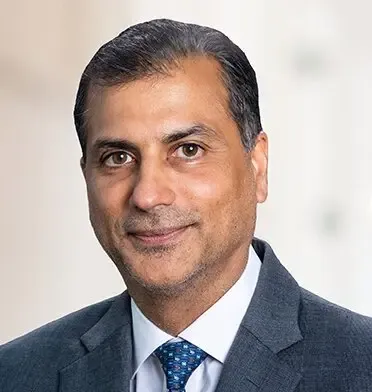
PHDCCI President Rajeev Juneja called for converting logistical and human capital advantages into investment-ready export clusters .
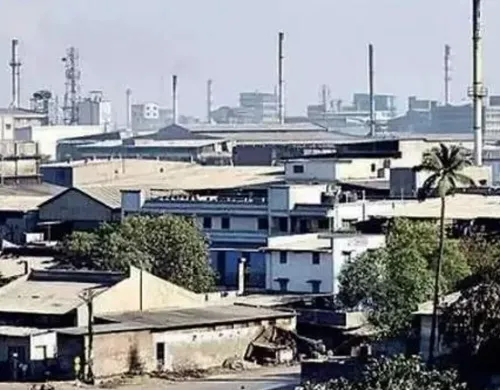
West Bengal can significantly accelerate its industrialisation by adopting a cluster-based, technology-intensive and export-oriented manufacturing strategy, according to a new report by the PHD Chamber of Commerce and Industry (PHDCCI) released on Wednesday, 19 August. The report, titled 'West Bengal: Mapping Agriculture and Industrial Investment Opportunities', argues that the state's existing strengths in engineering, electronics, logistics, ports, skilled manpower and natural resources provide a ready foundation for building integrated manufacturing and export clusters.
Key Findings of the PHDCCI Report
The report calls for a strategic shift — away from simply expanding production capacity and toward deepening value chains, upgrading technology, and connecting local industries with national and global markets. It identifies the state's geographic position, bordering Bangladesh, Nepal, Bhutan and with proximity to Southeast Asia, as a structural export advantage that remains underutilised.
According to the report, West Bengal's Gross State Domestic Product (GSDP) rose from ₹6.10 lakh crore in FY2015-16 to ₹9.42 lakh crore in FY2024-25, recording a Compound Annual Growth Rate (CAGR) of around 4.95 per cent. Gross State Value Added (GSVA) grew at approximately 5.26 per cent over the same period.
Industry's Share and the Manufacturing Gap
Despite this headline growth, the sectoral composition reveals a structural imbalance. Services accounted for an average 42 per cent of GSVA during the period, while industry contributed only around 23 per cent. The report flags this as considerable scope for expanding manufacturing alongside the state's growing services and knowledge economy — in effect, the industrial base has not kept pace with overall economic expansion.
Notably, this pattern mirrors a national challenge: India's manufacturing share of GDP has hovered near 17 per cent for over a decade despite repeated policy targets of 25 per cent. West Bengal's own industrial underperformance is, in that sense, a microcosm of a broader structural gap.
Human Capital and Institutional Strengths
The report identifies human capital as one of West Bengal's most significant comparative advantages. Premier institutions including IIT Kharagpur, Indian Statistical Institute (ISI) Kolkata, IIM Calcutta, IIEST Shibpur and Jadavpur University collectively provide a strong technical and research ecosystem. The state's literacy rate stood at approximately 85 per cent in 2024-25, above the national average.
PHDCCI President Rajeev Juneja said the central opportunity lies in converting existing advantages into action. 'The report concludes that West Bengal has a substantial base for accelerating industrialisation and investment. It identifies the key opportunity as converting the State's existing natural, human, industrial and logistical advantages into integrated, investment-ready manufacturing and export clusters,' Juneja said.
What Needs to Happen Next
The report stops short of prescribing a specific investment outlay or government spending target, instead calling on policymakers and industry to co-develop cluster frameworks across sectors such as engineering goods, electronics, and agro-processing. Industry bodies and state authorities will need to align on land, logistics and incentive structures for the cluster model to gain traction.
With the Bengal Global Business Summit serving as an annual investment platform, the PHDCCI findings could feed directly into the state's next investment pitch cycle. Whether the report's recommendations translate into on-ground cluster development will depend on execution — a challenge West Bengal, like many Indian states, has historically struggled with.
Point of View
Export-oriented manufacturing — is not new. West Bengal has heard variations of this prescription for two decades. The more pointed question is why industry's share of GSVA has stayed at 23 per cent despite the state's acknowledged advantages in ports, institutions and manpower. The report diagnoses the gap but does not interrogate the policy environment, land acquisition constraints or investor sentiment that have historically kept large manufacturers away. A mapping exercise is useful; a credible execution framework with accountable milestones would be more so.
NationPress
3 Oct 2026
Frequently Asked Questions
What does the PHDCCI report on West Bengal recommend?
The PHDCCI report recommends that West Bengal adopt a cluster-based, technology-intensive and export-oriented manufacturing strategy, converting its existing strengths in ports, skilled manpower, engineering and logistics into integrated, investment-ready export clusters. It calls for deepening value chains and linking local industries to global markets rather than simply expanding production capacity.
How fast has West Bengal's economy grown in recent years?
According to the report, West Bengal's GSDP rose from ₹6.10 lakh crore in FY2015-16 to ₹9.42 lakh crore in FY2024-25, recording a CAGR of approximately 4.95 per cent. GSVA grew at around 5.26 per cent over the same period.
Why is West Bengal's manufacturing sector considered underperforming?
Industry contributed an average of only 23 per cent of GSVA between FY2015-16 and FY2024-25, while services accounted for 42 per cent. The report argues this imbalance indicates considerable untapped scope for expanding manufacturing relative to the state's overall economic size and resource base.
What institutions does the report cite as West Bengal's human capital strengths?
The report highlights IIT Kharagpur, Indian Statistical Institute (ISI) Kolkata, IIM Calcutta, IIEST Shibpur and Jadavpur University as pillars of the state's technical and research ecosystem. West Bengal's literacy rate stood at approximately 85 per cent in 2024-25.
Who released the West Bengal investment opportunities report?
The report was released by the PHD Chamber of Commerce and Industry (PHDCCI) on 19 August. PHDCCI President Rajeev Juneja presented its findings, emphasising the need to convert the state's natural, human and logistical advantages into actionable manufacturing clusters.