Foreign airline pilot screening: Aviation experts push for robust evaluation framework
Synopsis
India's aviation experts are flagging a critical regulatory blind spot: the DGCA has no direct jurisdiction over Indian-trained pilots once they join foreign carriers. With cockpit security under renewed scrutiny and a recent near-miss spotlighting crew bravery, the push for a tighter pre-departure evaluation framework — backed by a new four-pillar ministry reform — could reshape how India certifies and exports its aviation talent.
Key Takeaways
Aviation expert Arvind Singhatiya called for stronger screening of Indian-trained pilots working with foreign airlines on 2 October 2026 .
The DGCA has no direct regulatory authority over pilots employed by airlines based outside India ; oversight rests with the host country's aviation authority.
Existing protocols require two people in the cockpit at all times; experts say rules may need revision to address threats originating from within the cockpit.
Captain Smit Machhar was praised for ensuring the safety of nearly 170 passengers during a recent aviation crisis; PM Modi personally acknowledged his bravery.
The Ministry of Civil Aviation outlined reforms built on four principles: simplification, accountability, transparency, and trust .
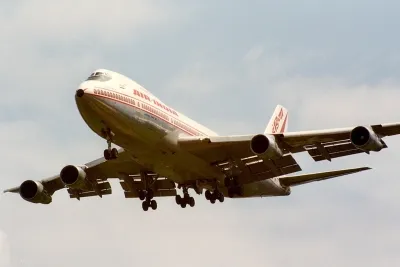
Aviation experts on Friday, 2 October called for stronger evaluation mechanisms and rigorous background checks for pilots trained in India and subsequently employed by foreign carriers, warning that the industry must continually reassess cockpit security protocols to address evolving risks.
Regulatory Gap at the Heart of the Debate
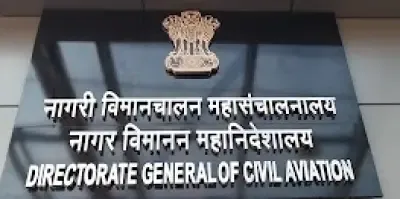
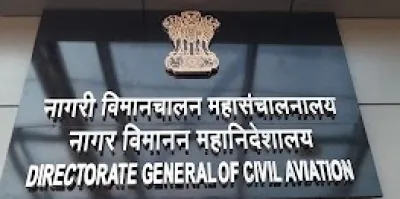
Expert Arvind Singhatiya pointed to a key jurisdictional limitation: the Directorate General of Civil Aviation (DGCA) does not hold direct regulatory authority over pilots once they are employed by airlines operating outside India. In such scenarios, he explained, monitoring, assessment, and regulatory compliance fall squarely on the aviation authority of the country where the airline is registered.
Despite this gap, Singhatiya stressed that pilots who receive their training in India must be subjected to stringent screening, licensing, and evaluation processes before accepting international assignments. Drawing a comparison with international driving permits, he argued that aviation professionals engaged in global flight operations should be held to the highest standards of safety, competence, and professional assessment.
Cockpit Security Under Scrutiny
On the question of cockpit security, Singhatiya noted that existing aviation protocols already mandate the presence of at least two individuals in the cockpit at all times. Under current procedures, if a pilot temporarily exits the cockpit, a cabin crew member is required to remain inside until the pilot returns.
However, he cautioned that aviation authorities may need to revisit and strengthen existing safeguards in situations where a potential threat originates from within the cockpit itself — a scenario that current two-person rules are not fully designed to counter.
Praise for Captain Smit Machhar and PM Modi's Gesture
Referring to a recent aviation incident, Singhatiya praised Captain Smit Machhar for displaying exceptional courage during a crisis, saying the pilot risked his own life while taking decisive action that reportedly helped ensure the safety of nearly 170 passengers on board.
Singhatiya also welcomed Prime Minister Narendra Modi's personal interaction with Captain Machhar, calling it a motivating gesture for the broader aviation community. He said the Prime Minister's decision to personally acknowledge the pilot's bravery — despite a demanding schedule — sends a positive signal across the sector and boosts the morale of aviation professionals nationwide.
Ministry Outlines Four-Pillar Reform Framework
Separately, the Ministry of Civil Aviation stated that recent reforms to India's aviation security regulatory framework are aimed at making processes simpler, more transparent, and accountable, without compromising safety standards. According to the ministry, Civil Aviation Secretary Sameer Kumar Sinha and Bureau of Civil Aviation Security (BCAS) Director General Rajesh Nirwan recently outlined a reform agenda anchored on four key principles: simplification, accountability, transparency, and trust.
This comes amid growing scrutiny of cockpit safety globally, with regulators in multiple countries re-examining crew evaluation frameworks following a series of high-profile incidents in recent years. How effectively India's training ecosystem aligns with international screening standards will shape the country's standing as a major supplier of aviation talent worldwide.
Point of View
Through pre-departure vetting rather than post-incident review. The ministry's four-pillar reform language is directionally sound, but without mandatory bilateral agreements that extend Indian evaluation standards to hiring foreign carriers, it remains aspirational. India produces a significant share of global aviation talent; that leverage has never been used systematically to push for reciprocal screening standards abroad. That is the conversation experts are nudging the regulator toward.
NationPress
2 Oct 2026
Frequently Asked Questions
Why can't the DGCA regulate Indian-trained pilots working for foreign airlines?
The DGCA's jurisdiction is limited to airlines and operations within India. Once a pilot joins a carrier based in another country, regulatory oversight shifts entirely to that country's aviation authority. This is a standard principle of international aviation law under ICAO frameworks.
What changes are aviation experts recommending for pilot screening?
Experts are calling for more stringent screening, licensing, and evaluation of Indian-trained pilots before they take up international assignments. The emphasis is on pre-departure vetting rather than relying solely on the host country's oversight mechanisms.
What are the current cockpit security rules in aviation?
Existing protocols require at least two individuals in the cockpit at all times. If a pilot temporarily leaves, a cabin crew member must remain inside until the pilot returns. Experts say these rules may need revisiting to address scenarios where a threat originates from within the cockpit itself.
Who is Captain Smit Machhar and why was he praised?
Captain Smit Machhar is a pilot who reportedly demonstrated exceptional courage during a recent aviation incident, taking decisive action that helped ensure the safety of nearly 170 passengers. Prime Minister Narendra Modi personally acknowledged his bravery, an act aviation experts described as a morale boost for the sector.
What reforms has the Ministry of Civil Aviation announced?
The Ministry of Civil Aviation, represented by Civil Aviation Secretary Sameer Kumar Sinha and BCAS Director General Rajesh Nirwan, outlined a reform framework for India's aviation security regulations based on four principles: simplification, accountability, transparency, and trust. The reforms aim to streamline processes without lowering safety standards.