Pixxel and Sarvam to build India's first AI orbital data centre satellite
Synopsis
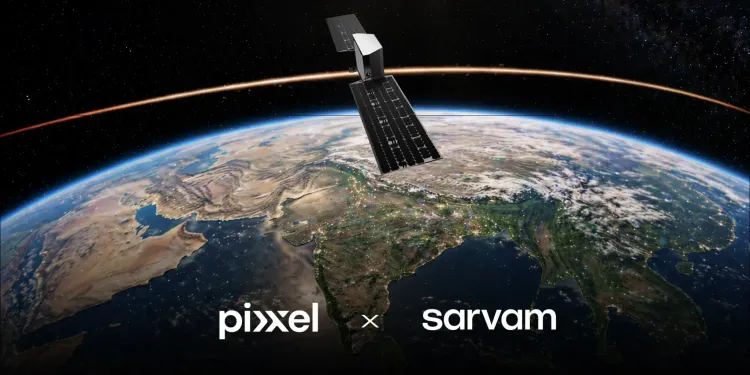
India is set to place datacenter-grade AI computing in orbit for the first time, with Pixxel and Sarvam's Pathfinder satellite targeting a Q4 2026 launch. The 200-kg platform will run Sarvam's full-stack language models onboard, process hyperspectral imagery in space, and operate independently of foreign cloud infrastructure — a rare convergence of sovereign AI and space-tech ambition.
Key Takeaways
Pixxel and Sarvam have partnered to build India's first AI-powered orbital data centre satellite , announced on 5 May 2025 .
The Pathfinder satellite is a 200-kg class platform targeting orbit as early as Q4 2026 .
The satellite will host datacenter-grade GPUs and run Sarvam's full-stack language models entirely onboard.
Pixxel's hyperspectral imaging camera will allow high-resolution Earth observation data to be analysed in orbit, eliminating the need to downlink raw data.
Applications span environmental monitoring , resource management , and infrastructure tracking .
The satellite will be built at Pixxel's Gigapixxel facility, designed to scale to 100 satellites .
Pixxel and Sarvam have joined forces to develop India's first AI-powered orbital data centre satellite, the companies announced on Monday, 5 May 2025 in New Delhi. The partnership marks a significant leap in India's space-tech ambitions, combining Pixxel's satellite engineering expertise with Sarvam's sovereign AI capabilities to place datacenter-grade computing directly in orbit.
What the Pathfinder Satellite Will Do
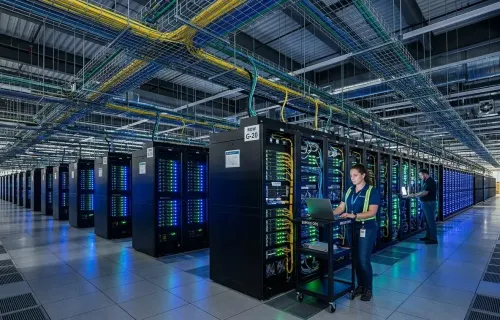
The mission centres on the Pathfinder, a 200-kg class satellite expected to reach orbit as early as the fourth quarter of 2026. Unlike conventional satellites that rely on low-power processors, the Pathfinder will host datacenter-grade GPUs comparable to those used in terrestrial AI infrastructure, enabling high-performance computing directly in space.
The satellite will also carry Pixxel's flagship hyperspectral imaging camera, making it among the first platforms globally capable of capturing high-resolution hyperspectral data and analysing it in orbit using advanced AI models. This onboard processing eliminates the need to transmit large volumes of raw data back to Earth, enabling real-time insights and faster decision-making.
Division of Responsibilities
Pixxel will design, build, launch, and operate the Pathfinder satellite, while Sarvam will provide the artificial intelligence backbone. Sarvam's contribution includes full-stack language models running onboard, supporting both AI training and inference directly in orbit — a capability that has not previously been demonstrated at this scale in an Indian space mission.
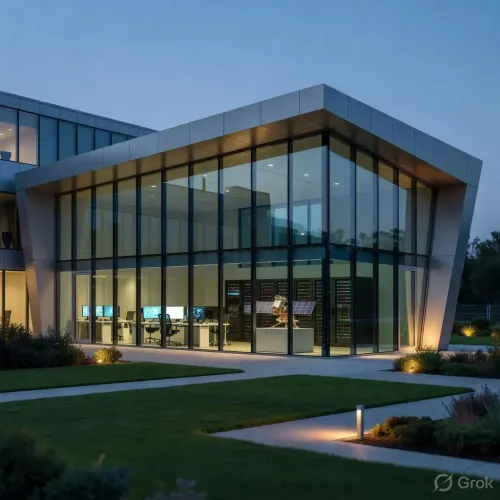
The satellite will be developed at Pixxel's upcoming Gigapixxel facility, which is designed to scale production to up to 100 satellites.
What the CEOs Said
Pixxel CEO Awais Ahmed said orbital data centres represent a new frontier, noting that ground-based infrastructure faces growing constraints related to energy, land, and scalability. He argued that space-based computing, powered by solar energy and located closer to data sources, can overcome many of these limitations.
Sarvam CEO Pratyush Kumar said the partnership extends the company's sovereign AI platform beyond terrestrial systems into space, enabling India-built AI models to operate independently of foreign cloud infrastructure. Kumar emphasised that building indigenous intelligence systems in orbit is central to technological sovereignty.
Applications and Strategic Importance
The Pathfinder's capabilities are expected to serve a wide range of applications including environmental monitoring, resource management, and infrastructure tracking. By processing hyperspectral data in orbit, the system can deliver actionable intelligence in near real time — a significant advantage over current architectures where raw data must be downlinked and processed on the ground.
The mission will also test real-time AI inference, power management, thermal performance, and data workflows in the harsh space environment, laying the foundation for future orbital data centre systems. This comes amid a broader global race to extend AI infrastructure beyond Earth, with India now positioning itself as an early mover in sovereign space-based AI.
Point of View
Independent of US or European cloud infrastructure, the two startups are attempting to close a strategic gap that most nations have not even identified yet. The hyperspectral-plus-AI combination is genuinely novel at this scale, but the harder test will be whether the Gigapixxel facility can deliver on its 100-satellite ambition, and whether India's regulatory and procurement ecosystem can absorb and act on the real-time intelligence this platform promises to generate.
NationPress
24 Sept 2026
Frequently Asked Questions
What is the Pixxel-Sarvam Pathfinder satellite?
The Pathfinder is a 200-kg class AI-powered orbital data centre satellite being developed by space-tech firm Pixxel and AI startup Sarvam. It will host datacenter-grade GPUs and run Sarvam's full-stack language models onboard, enabling AI training and inference directly in orbit.
When will the Pathfinder satellite launch?
The Pathfinder satellite is expected to reach orbit as early as the fourth quarter of 2026, according to the companies' announcement on 5 May 2025.
Why is onboard AI processing in a satellite significant?
Processing data in orbit eliminates the need to transmit large volumes of raw data back to Earth, enabling real-time insights and faster decision-making. It also allows India-built AI models to operate independently of foreign cloud infrastructure, strengthening technological sovereignty.
What will the Pathfinder satellite be used for?
The satellite will support environmental monitoring, resource management, and infrastructure tracking using its hyperspectral imaging camera and onboard AI. It will also test real-time AI inference, power management, and thermal performance in the harsh space environment.
What is Pixxel's Gigapixxel facility?
The Gigapixxel facility is Pixxel's upcoming satellite manufacturing plant designed to scale production to up to 100 satellites. The Pathfinder satellite will be developed there.