How has the PM-KUSUM scheme achieved 10,203 MW installation by November?
Synopsis
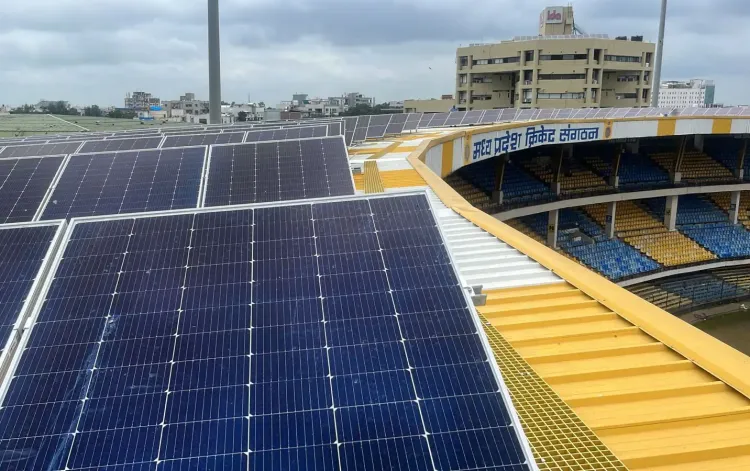
The PM-KUSUM scheme has made remarkable progress by installing 10,203 MW as of November end. With substantial government funding and extensive outreach efforts, this initiative aims to empower farmers while promoting renewable energy. Discover how this transformative scheme is reshaping the agricultural landscape in India.
Key Takeaways
10,203 MW installed under PM KUSUM by November.
Rs 7,106 crore allocated to states.
Focus on small and marginal farmers.
Subsidies up to 50% for solar pump installations.
Encourages renewable energy and de-dieselisation in agriculture.
New Delhi, Dec 10 (NationPress) A remarkable total of 10,203 MW has been installed across all facets of the Pradhan Mantri Kisan Urja Suraksha Evam Utthaan Mahabhiyan (PM KUSUM) scheme as of the end of November, showcasing significant strides in its implementation, as stated by the government on Wednesday.
By November 30, a total of Rs 7,106 crore has been allocated to states in response to their requests, according to an official announcement.
The financial resources under the PM KUSUM scheme are distributed based on the requests submitted, progress updates from the State Implementing Agencies (SIA), and in accordance with the scheme’s guidelines.
To broaden the impact of the PM KUSUM initiative, the Ministry conducts extensive outreach and capacity-building workshops periodically, as noted in the statement.
This also encompasses regular review and support meetings with participating states, according to the Ministry of New and Renewable Energy.
The PM KUSUM scheme, which is operational in all states and union territories, enables participation from individual farmers and their collectives, including farmer producer organizations, water user associations, and primary agriculture credit societies (PACS).
The Ministry indicated that it has streamlined processes and published comprehensive updated guidelines on January 17, 2024, to facilitate implementation.
The scheme prioritizes small and marginal farmers and those employing micro irrigation methods.
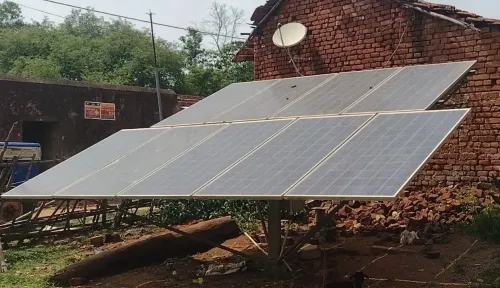
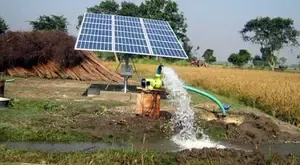
The PM-KUSUM initiative aims to reduce diesel dependency in agriculture and boost farmers' incomes, offering central government subsidies of up to 30% or 50% of the total costs for installing standalone solar pumps, as well as for solarizing existing grid-connected agricultural pumps.
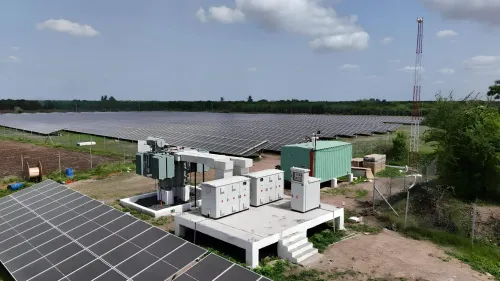
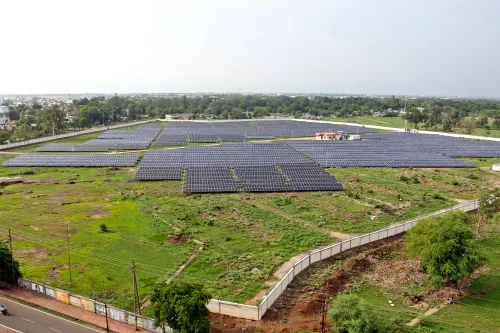
Moreover, farmers can set up grid-connected solar power installations of up to 2MW on their barren or fallow land and sell the generated electricity to local DISCOMs at a tariff set by state regulators.
With transformative initiatives like PM-KUSUM, PM Surya Ghar Muft Bijli Yojana, PM-JANMAN, and 'One Sun, One World, One Grid', India is spearheading efforts to achieve energy justice, empower the underprivileged, and enhance South-South cooperation.
Point of View
I see PM-KUSUM as a significant step towards sustainable agriculture in India. This scheme not only enhances farmers' livelihoods but also aligns with the global shift towards renewable energy. The government’s commitment to simplifying processes and prioritizing small farmers showcases a genuine effort to empower the agricultural community.
NationPress
3 Oct 2026
Frequently Asked Questions
What is the PM-KUSUM scheme?
The PM-KUSUM scheme, or Pradhan Mantri Kisan Urja Suraksha Evam Utthaan Mahabhiyan, aims to promote the use of solar energy in agriculture, reducing diesel dependency and enhancing farmers' incomes.
How much funding has been released under PM-KUSUM?
As of November 30, Rs 7,106 crore has been released to various states based on their demands.
Who can participate in the PM-KUSUM scheme?
Individual farmers, farmer producer organizations, water user associations, and primary agriculture credit societies (PACS) can participate in the scheme.
What benefits does the PM-KUSUM scheme offer farmers?
The scheme provides subsidies of up to 50% for installing solar pumps and allows farmers to set up grid-connected solar power plants on their land.
How does the PM-KUSUM scheme contribute to energy justice?
By promoting renewable energy usage among farmers, the scheme aims to empower marginalized communities and support sustainable agricultural practices.