How Does the PM-KUSUM Scheme Benefit Over 20.42 Lakh Farmers?
Synopsis
The PM-KUSUM scheme has significantly transformed the agricultural landscape by empowering over 20.42 lakh farmers in India. This initiative not only enhances their income through solar power but also contributes to sustainable farming practices. Discover the various components that make this scheme a game-changer for farmers.
Key Takeaways
Over 20.42 lakh farmers have benefited from the PM-KUSUM scheme.
The scheme promotes solar energy adoption in agriculture.
Significant increases in funding reflect its success.
Farmers can earn substantial income through various components.
It aims to reduce diesel dependency and environmental pollution.
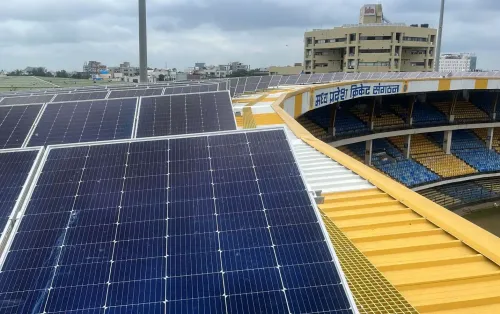
New Delhi, Dec 16 (NationPress) More than 20.42 lakh farmers have reaped benefits from the PM-KUSUM scheme, which allows them to establish solar power plants and irrigation pumps on their agricultural land, as reported in Parliament on Tuesday.
In a written response to a question in the Rajya Sabha, Shripad Yesso Naik, the Minister of State for New and Renewable Energy, stated that the PM-KUSUM initiative is driven by demand. The allocation of capacities and funds is contingent upon the requests received and the progress demonstrated by states and Union Territories.
The minister presented data in the Upper House indicating a consistent rise in the funds released over the past three years, underscoring the scheme's effectiveness. In the first half of the current financial year (2025-26), Rs 2,031.5 crore has already been allocated under PM-KUSUM, compared to Rs 2,564.14 crore in 2024-25, and an increase from Rs 996.33 crore in 2023-24.
The government initiated the PM-KUSUM scheme in March 2019 and expanded it in January 2024, aiming to provide energy and water security for farmers, enhance their income, reduce dependency on diesel in agriculture, and lower environmental pollution. This scheme comprises three components: A, B, and C.
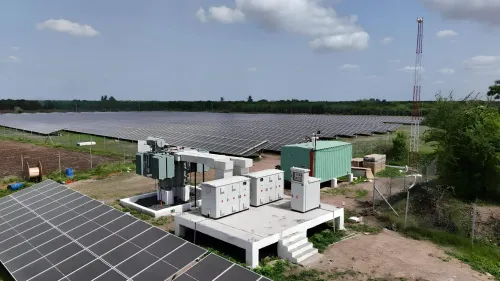
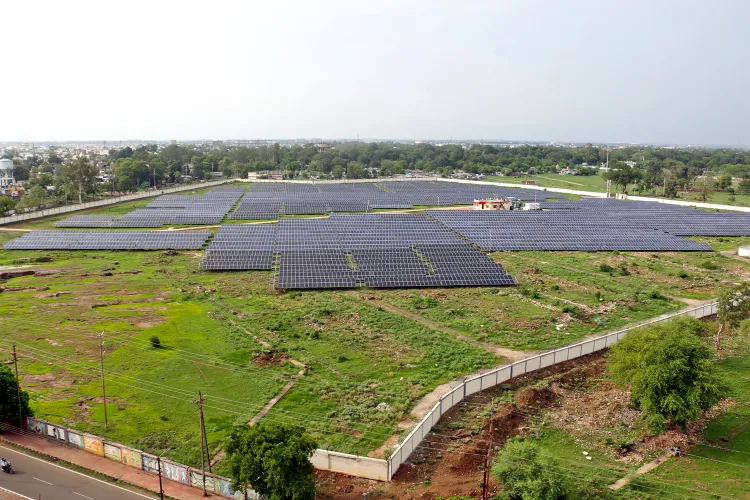
Under Component A, farmers are empowered to harness solar energy, transforming from Annadata to Urjadata, thereby increasing their earnings. By leasing their land for solar power plant installation, farmers can generate income of up to Rs 80,000/ha/year. The average income for plants established under Component A is Rs 4.5 lakh/MW per month.
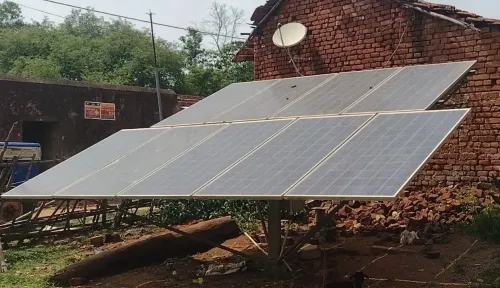
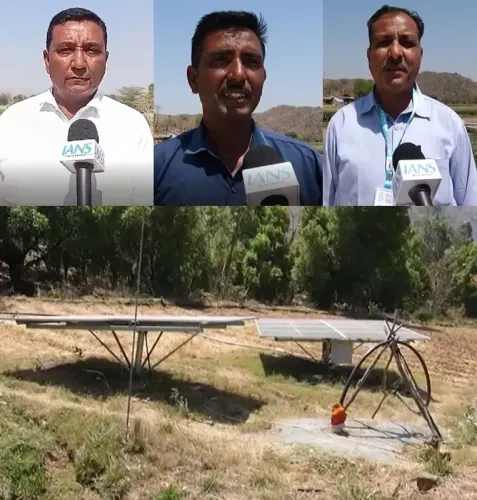
Component B facilitates the replacement of existing diesel pumps with solar pumps. Given a consumption rate of 4.6 litres per day for 5 HP pumps and a diesel price of approximately Rs 87/litre, farmers can recover their costs within a year, resulting in annual savings of at least Rs 60,000 in diesel expenses.
Under Component C, farmers can earn Rs 25,000/acre/year by leasing their land for solar project installations, as highlighted by the minister.
Point of View
I recognize the profound impact of the PM-KUSUM scheme on the agricultural sector. The initiative not only empowers farmers economically but also promotes sustainable practices that are essential for environmental preservation. Supporting farmers in adopting solar energy is a step towards a greener future and a resilient agricultural ecosystem.
NationPress
2 Oct 2026
Frequently Asked Questions
What is the PM-KUSUM scheme?
The PM-KUSUM scheme is a government initiative aimed at promoting solar energy use among farmers, enabling them to set up solar power plants and irrigation pumps to enhance their income and reduce dependence on diesel.
How many farmers have benefited from this scheme?
Over 20.42 lakh farmers have benefited from the PM-KUSUM scheme, as reported by the Minister of State for New and Renewable Energy.
What financial assistance is provided under the PM-KUSUM scheme?
Funds allocated under the PM-KUSUM scheme are based on demand and progress, with significant increases in releases over the past years, supporting farmers in adopting solar technologies.
What are the components of the PM-KUSUM scheme?
The PM-KUSUM scheme has three components: A allows farmers to adopt solar energy, B replaces diesel pumps with solar pumps, and C provides income through leasing land for solar projects.
How much can farmers earn through these components?
Farmers can earn up to Rs 80,000/ha/year under Component A, save at least Rs 60,000/year in diesel costs under Component B, and receive Rs 25,000/acre/year under Component C.