PM-KUSUM scheme: Jamtara farmer triples crops, earns ₹1.5 lakh yearly
Synopsis
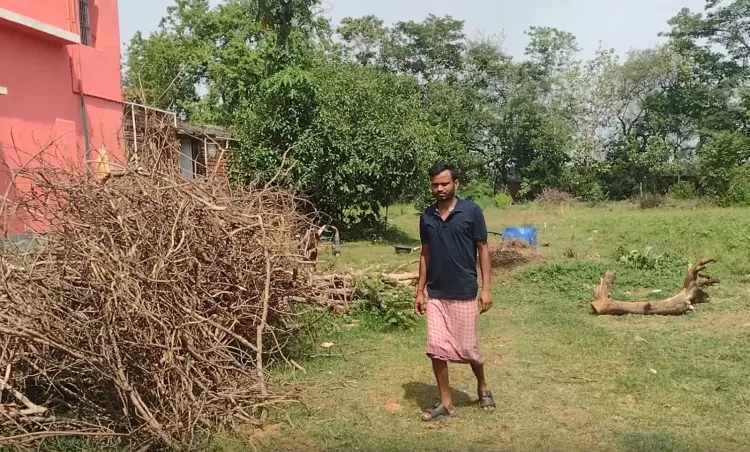
A Jamtara farmer's diesel bill was ₹10,000 a month — now it is zero. Under PM-KUSUM, Damodar Singh has gone from one rain-fed crop to three annual harvests, earns up to ₹1.5 lakh a year selling water to neighbours, and has built a home. It is a small-scale proof of concept for what solar irrigation can do in rain-dependent districts like Jharkhand.
Key Takeaways
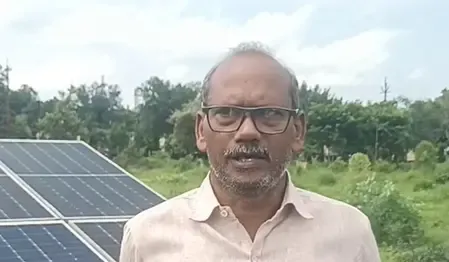
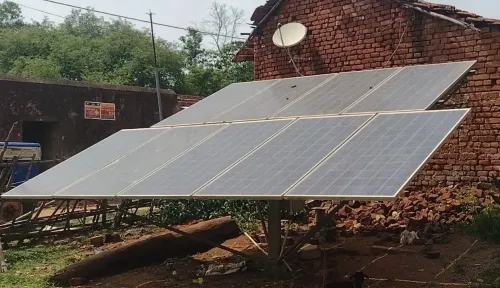
Damodar Singh , a farmer from Jamtara, Jharkhand , installed solar pumps under the PM-KUSUM scheme.
His monthly irrigation cost dropped from ₹8,000–₹10,000 (diesel) to zero after the switch.
He now harvests three crops per year , including paddy and vegetables, up from one rain-dependent cycle.
By supplying irrigation water to neighbouring farmers, he earns a net annual income of up to ₹1.5 lakh .
Subsidies are transferred directly to beneficiaries' bank accounts with no middlemen , according to Singh.
The PM-KUSUM scheme aims to de-dieselise Indian agriculture and enhance farmer income through solar-powered irrigation.
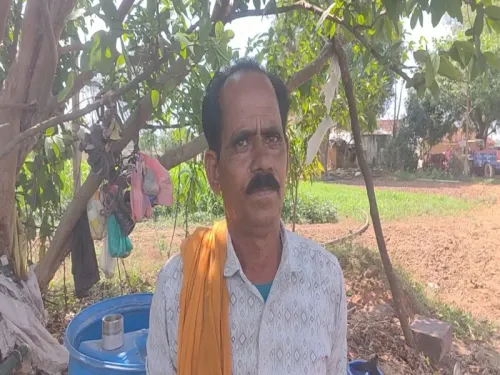
A farmer from Jamtara, Jharkhand, has emerged as a quiet success story of the PM-KUSUM (Pradhan Mantri Kisan Urja Suraksha evam Utthaan Mahabhiyan) scheme, with Damodar Singh reporting a net annual income of up to ₹1.5 lakh from solar-powered irrigation — enough, he says, to build a home and fund his children's schooling. The transformation, he explains, began months after solar pumps were installed at his farm under the centrally sponsored scheme.
From Diesel Dependency to Zero Operating Cost
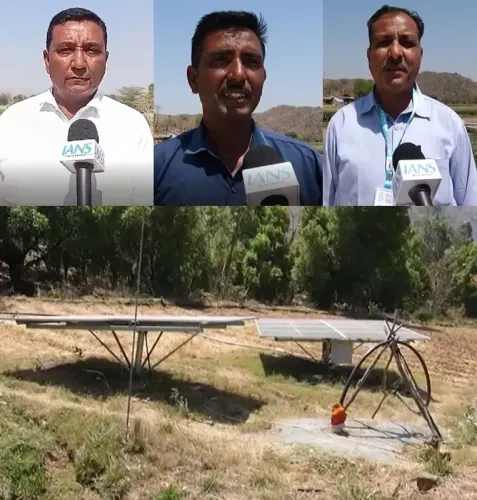
Before the switch, Damodar Singh spent between ₹8,000 and ₹10,000 per month on diesel to run irrigation pumps — a recurring drain compounded by erratic grid power supply. The installation of solar pumps under PM-KUSUM eliminated that expense entirely. His operational irrigation cost is now reportedly zero.
Critically, the shift also freed him from dependence on rainfall. Previously, he could manage only one rain-fed crop cycle per year. With on-demand solar-powered water access, he now harvests three crops annually, including paddy and vegetable cultivation — a diversification that has meaningfully widened his income base.
Selling Water to Neighbours Adds a New Revenue Stream
Singh has gone beyond using the solar pump for his own fields. By supplying irrigation water to neighbouring farmers, he has created an additional income stream that contributes to his reported ₹1.5 lakh annual net income. This peer-to-peer water sharing model — informal but effective — illustrates a second-order benefit of the scheme that official data does not always capture.
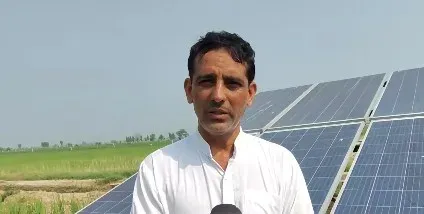
Subsidies under the scheme are disbursed directly into beneficiaries' bank accounts through digital payment channels, with no intermediaries involved, according to Singh. 'We receive the benefits directly through the online system, with no middlemen involved,' he said. 'We can farm year-round, which supports our livelihood. My family is happy, and my children are able to study well.'
What PM-KUSUM Aims to Achieve
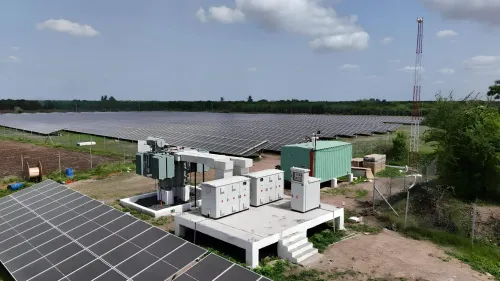
The PM-KUSUM scheme was launched with the stated objectives of providing energy and water security to farmers, reducing the farm sector's dependence on diesel, and cutting environmental pollution from fossil-fuel-based irrigation. The scheme offers subsidised solar pumps and, in some components, allows farmers to sell surplus solar power back to the grid.
This comes amid a broader push by the Centre to de-dieselise Indian agriculture, where fuel costs remain one of the largest variable expenses for smallholder farmers. Jharkhand, with its rain-dependent agrarian economy and persistent power supply challenges, has been among the states where the scheme's water-security component carries particular relevance.
Broader Impact and What Comes Next
Singh's case is one of several emerging from Jharkhand that suggest the scheme is gaining traction in districts with historically low irrigation coverage. Whether outcomes like his are replicable at scale depends on continued subsidy disbursement, maintenance support for installed pumps, and farmer awareness — areas where implementation quality has varied across states.
As the scheme expands, the direct-benefit-transfer model for subsidy delivery will be closely watched as a template for reducing leakage in agricultural welfare programmes.
Point of View
A model the scheme's designers likely did not script but which multiplies impact. The harder question is whether Jharkhand's implementation machinery can replicate this at district scale, given that pump maintenance, grid-connectivity for surplus power sale, and farmer awareness remain patchy across states. PM-KUSUM's direct-benefit-transfer architecture is a genuine structural improvement over older subsidy models, but individual success stories should not substitute for state-level outcome data on how many installed pumps are actually operational two years after installation.
NationPress
26 Sept 2026
Frequently Asked Questions
What is the PM-KUSUM scheme?
PM-KUSUM (Pradhan Mantri Kisan Urja Suraksha evam Utthaan Mahabhiyan) is a central government scheme that provides subsidised solar pumps to farmers for irrigation, aiming to reduce diesel dependence and enhance farm income. It also allows farmers in some components to sell surplus solar power to the grid.
How has PM-KUSUM benefited Damodar Singh of Jamtara?
Damodar Singh's monthly irrigation cost fell from ₹8,000–₹10,000 on diesel to zero after solar pump installation. He now grows three crops a year instead of one and earns up to ₹1.5 lakh annually, partly by supplying water to neighbouring farmers.
How are PM-KUSUM subsidies delivered to farmers?
According to beneficiaries including Damodar Singh, subsidies are transferred directly into farmers' bank accounts through digital payment channels, with no intermediaries involved in the process.
Why is PM-KUSUM particularly relevant for Jharkhand?
Jharkhand has a rain-dependent agrarian economy and faces persistent electricity supply challenges. Solar-powered irrigation addresses both problems by providing on-demand water access independent of the grid or monsoon timing.
What are the broader goals of the PM-KUSUM scheme?
The scheme aims to provide energy and water security to farmers, de-dieselise the agricultural sector, boost farmer incomes, and reduce environmental pollution from fossil-fuel-based irrigation pumps across India.