PM-KUSUM scheme transforms irrigation for Bundelkhand farmers in MP
Synopsis
In Bundelkhand — one of India's most water-stressed farming belts — solar pumps installed under PM-KUSUM are doing what decades of diesel and grid power could not: delivering reliable, affordable irrigation. With BPL farmers getting panels free and others paying as little as ₹20,000, the scheme is quietly rewriting the economics of farming in Damoh district.
Key Takeaways
PM-KUSUM Yojana is providing solar-powered irrigation to farmers in Damoh district , Bundelkhand , Madhya Pradesh.
Farmers pay only ₹20,000–₹30,000 for installation, with a subsidy covering nearly 90 per cent of the cost.
BPL households receive solar panels free of cost through state government support.
In the first phase, solar systems will be installed in 2,000 non-BPL and 10,000 BPL households in the district.
Farmer Munna Yadav eliminated monthly electricity bills of up to ₹10,000 after switching to solar irrigation.
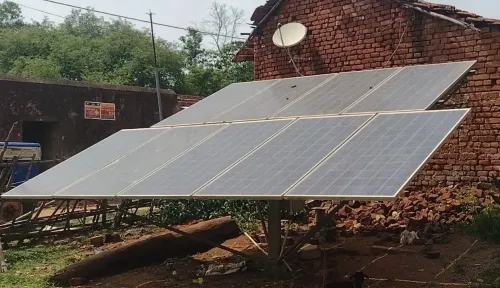
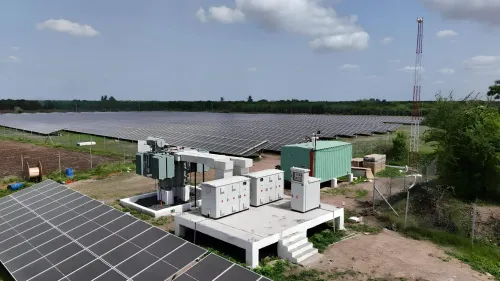
The PM-KUSUM (Pradhan Mantri Kisan Urja Suraksha evam Utthan Mahabhiyan) Yojana has emerged as a critical lifeline for farmers in Madhya Pradesh's Bundelkhand region, where unreliable irrigation and high energy costs have historically undermined agricultural productivity. In Damoh district's Tendukheda block, solar pumps installed under the scheme are delivering uninterrupted irrigation, slashing input costs, and meaningfully improving farmer incomes.
Farmers Share Ground-Level Impact
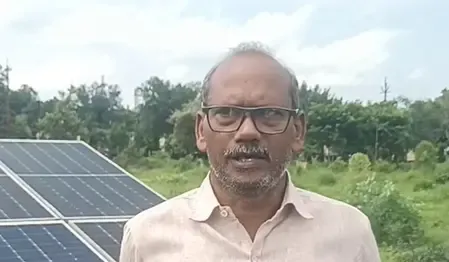
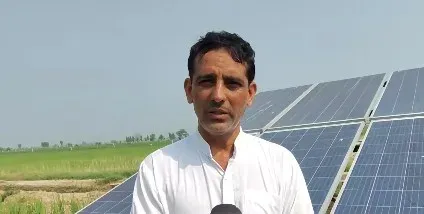
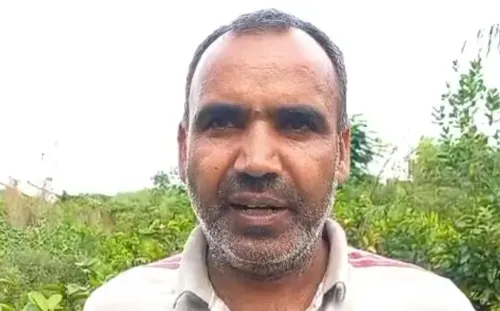
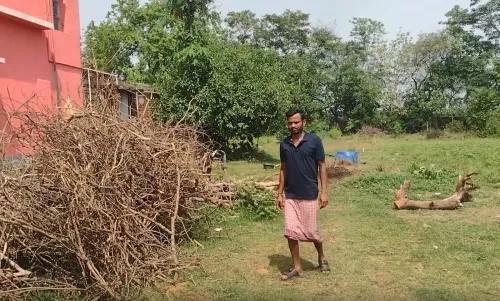
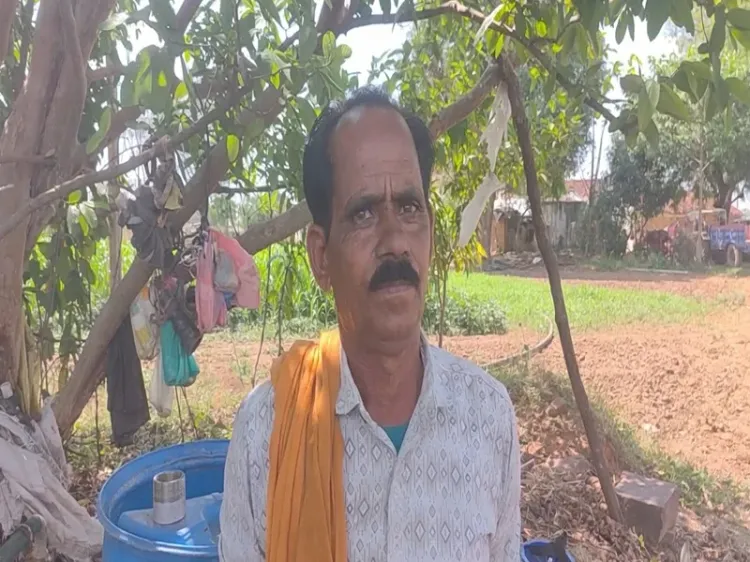
Farmers like Pancham Singh Lodhi and Munna Yadav from Bitli village have become emblematic of the scheme's reach. Pancham Singh recalled waking up at odd hours to irrigate his fields, battling frequent power outages and the mounting cost of diesel pumps. Any delay in irrigation risked crop loss, making farming increasingly unviable.
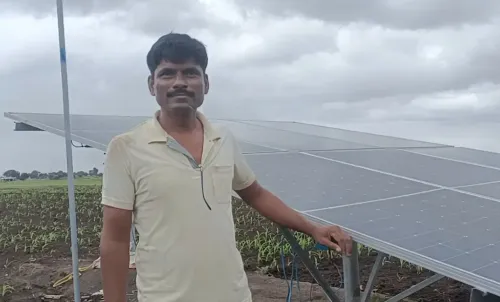
His situation changed after he applied under the Pradhan Mantri Solar Pump Scheme. With a subsidy covering nearly 90 per cent of the installation cost, he paid approximately ₹20,000 to ₹30,000 out of pocket. The solar pump now provides uninterrupted daytime irrigation, boosting yields while eliminating diesel and electricity expenditure entirely.
Munna Yadav shared a similar account, noting that his monthly electricity bills once reached ₹10,000. That expense has now been eliminated. He added that the experience has motivated him to spread awareness of the scheme among neighbouring farmers.
How the Scheme Works
Under the scheme's first phase in the district, solar systems will be installed in 2,000 non-BPL households and 10,000 BPL households. Notably, BPL households will receive solar panels free of cost through state government support, making the programme accessible to the most economically vulnerable farming families.
Officials explained that the initiative is designed to reduce dependence on conventional energy sources, promote sustainable agricultural practices, and empower small and marginal farmers to achieve self-reliance.
Why Bundelkhand Needed This Intervention
The Bundelkhand region has long grappled with erratic rainfall, depleted groundwater, and inadequate power supply — a combination that has historically pushed farmers into debt cycles. Diesel-powered irrigation, while a stopgap, proved expensive and unreliable. The shift to solar-powered pumps directly addresses these structural vulnerabilities.
This comes amid a broader national push under PM-KUSUM to solarise agricultural pump sets across India, with the Union government targeting the installation of 35 lakh solar pumps nationwide under the scheme's various components.
The Road Ahead
With the first phase of installations underway in Damoh, officials indicate that the programme is expected to expand further across the district. As more farmers transition to solar irrigation, the cumulative impact on agricultural output, input costs, and rural incomes in Bundelkhand is expected to grow. The scheme's success in villages like Bitli could serve as a replicable model for other water-stressed regions across the state.
Point of View
But it is also a reminder of how long this region has waited for basic irrigation reliability. The fact that farmers are waking up at odd hours to manage diesel pumps in 2025 underscores a structural failure that predates any single scheme. The free-panel provision for BPL households is a meaningful design choice — but the true test will be maintenance support and whether installations hold up over a five-to-ten year horizon without grid dependency creeping back in. Scheme launches are easy; sustaining rural solar infrastructure is where most programmes have historically faltered.
NationPress
23 Sept 2026
Frequently Asked Questions
What is the PM-KUSUM scheme and how does it help farmers?
PM-KUSUM (Pradhan Mantri Kisan Urja Suraksha evam Utthan Mahabhiyan) Yojana is a central government scheme that provides solar-powered irrigation pumps to farmers at heavily subsidised rates. It aims to reduce dependence on diesel and grid electricity, lower input costs, and ensure reliable irrigation — particularly in regions like Bundelkhand that face chronic power and water challenges.
How much does a farmer pay for a solar pump under this scheme?
Under the scheme, a subsidy covers nearly 90 per cent of the installation cost, leaving farmers to pay approximately ₹20,000 to ₹30,000. BPL (Below Poverty Line) households receive solar panels entirely free of cost through state government support.
How many households will benefit in Damoh district's first phase?
In the first phase, solar systems will be installed in 2,000 non-BPL households and 10,000 BPL households in Damoh district, Madhya Pradesh. BPL beneficiaries receive the panels at no cost.
Why is the PM-KUSUM scheme especially significant for Bundelkhand?
Bundelkhand has long suffered from erratic rainfall, depleted groundwater, and unreliable power supply, forcing farmers to rely on expensive diesel pumps. The solar pump scheme directly addresses these structural challenges by providing a cost-free, uninterrupted irrigation source, making agriculture more viable and profitable in the region.
What savings have farmers reported after switching to solar pumps?
Farmers in Bitli village, Tendukheda block, report eliminating monthly electricity bills that previously reached ₹10,000. Diesel costs have also been completely removed, with improved irrigation reliability leading to better crop yields and significantly higher net incomes.