PM-KUSUM scheme powers solar irrigation for Gujarat's tribal farmers
Synopsis
In Gujarat's tribal heartlands, the PM-KUSUM scheme has quietly rewritten the farming calendar. With 695 MW of solar capacity commissioned and 22,787 pumps installed, farmers in districts like Dang and Tapi are now harvesting three crops a year — no monsoon anxiety, no electricity bills, no sleepless nights at the pump.
Key Takeaways
The PM-KUSUM scheme provides a Central subsidy of up to 30%–50% on solar pump installation costs for farmers.
Gujarat's state government adds a further 70% subsidy for farmers in tribal and forest areas, on top of the Central share.
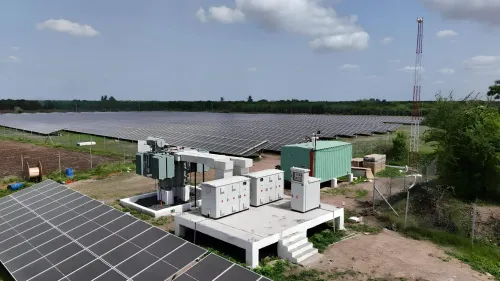
Approximately 256 solar power plants with a total capacity of 695 MW have been commissioned in Gujarat under the scheme.
Around 2.97 lakh agricultural pumps have been solarised, and 22,787 standalone solar pumps installed in the state.
Farmers in Dang and Tapi districts report year-round cultivation of multiple crops, including paddy, pigeon pea, black gram, and vegetables.
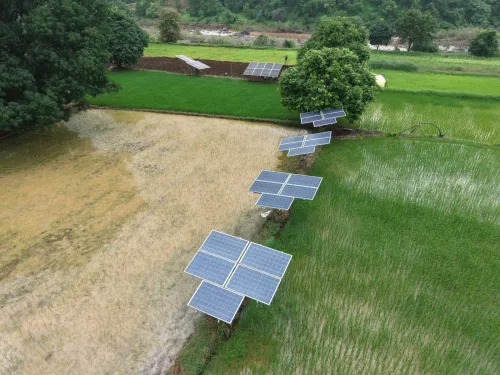
Farmers in the remote and tribal belts of Gujarat are breaking free from their dependence on monsoon rains, thanks to the Central government's PM-KUSUM (Pradhan Mantri Kisan Urja Suraksha evam Utthan Mahabhiyan) scheme, which has brought solar-powered irrigation to fields that once lay fallow in dry seasons. According to official estimates, the scheme has already transformed agricultural practices for thousands of households across the state.
How PM-KUSUM Works
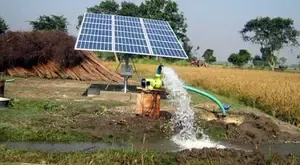
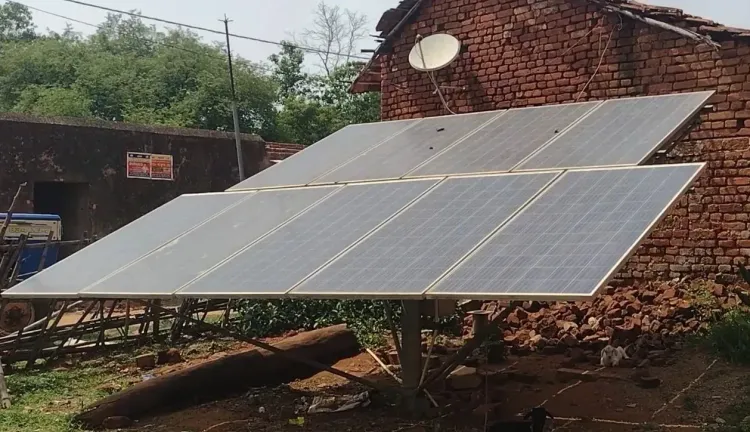
Under the PM-KUSUM scheme, the Centre provides a subsidy of up to 30% or 50% of the total installation cost for standalone solar pumps and for the solarisation of existing grid-connected agricultural pumps. In Gujarat, the state government has layered additional support on top of this, offering farmers in tribal and forest areas a further 70% subsidy, effectively making solar pump adoption near-zero-cost for the most vulnerable cultivators.
Voices from the Field
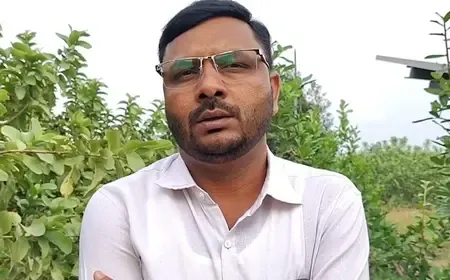
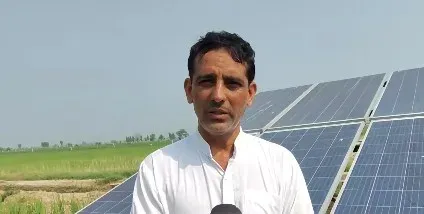
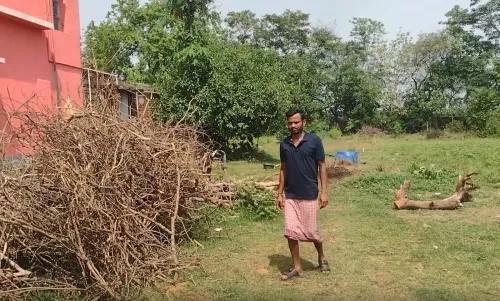
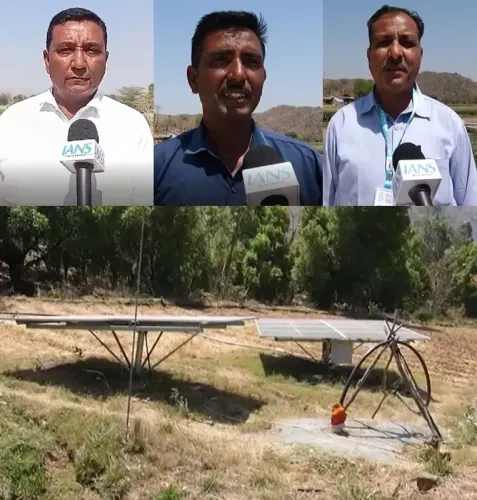
Bharatbhai Waghmare, a farmer from Umarpada village in the tribal-dominated Dang district, said the solar pump installed on his farm now allows him to irrigate continuously from sunrise to sunset across every season. 'We have benefited from the PM-KUSUM scheme; the government provided this assistance. We grow paddy, tur (pigeon pea), urad (black gram), and various vegetables like eggplant and cowpeas,' he said.
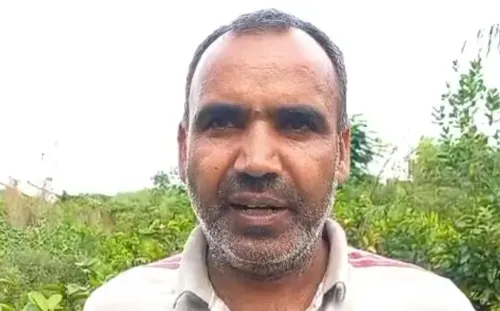
Gavjibhai Vasava, a farmer from Gavan village in Tapi district, described how his household now cultivates three crops a year with the help of a solar pump, adding that they no longer need to stay awake at night to manage irrigation schedules or worry about rising electricity bills.
Scale of Implementation in Gujarat
According to official estimates, approximately 256 solar power plants with a combined capacity of 695 MW have been commissioned across Gujarat under the scheme. This infrastructure has enabled the solarisation of roughly 2.97 lakh agricultural pumps. In addition, 22,787 standalone solar pumps have been installed under the dedicated pump component of the programme.
Impact on Farmers and Agriculture
The shift to solar irrigation has had layered benefits beyond water access. Farmers report higher incomes from year-round cultivation, reduced dependence on erratic grid power, and freedom from electricity bills that previously ate into margins. This comes amid a broader national push to decarbonise agricultural energy use, with the PM-KUSUM scheme serving as the flagship instrument. Notably, tribal communities — historically among the most under-served by conventional irrigation infrastructure — appear to be among the primary beneficiaries in Gujarat.
With 695 MW of solar capacity already commissioned in one state alone, the Gujarat rollout offers a replicable model for other states with large tribal and rain-dependent farming populations.
Point of View
2.97 lakh pumps solarised — are significant, but the more telling detail is who is benefiting: tribal farmers in Dang and Tapi, historically bypassed by grid expansion. The 70% state subsidy stacked on top of the Central share is an unusually deep intervention, and it appears to be working. The real policy question is whether this model — high upfront subsidy, long-term energy-cost savings — can be replicated at scale in other states where tribal agriculture remains monsoon-hostage. Gujarat's rollout suggests the economics are viable; the missing variable is political will elsewhere.
NationPress
19 Oct 2026
Frequently Asked Questions
What is the PM-KUSUM scheme and how does it help farmers?
PM-KUSUM (Pradhan Mantri Kisan Urja Suraksha evam Utthan Mahabhiyan) is a Central government programme that subsidises the installation of solar pumps and the solarisation of existing agricultural pumps for farmers. It reduces dependence on grid power and monsoon rains, enabling year-round irrigation at lower cost.
How much subsidy do Gujarat farmers get under PM-KUSUM?
Farmers in Gujarat receive a Central subsidy of up to 30% or 50% of the solar pump installation cost. Those in tribal and forest areas receive an additional 70% subsidy from the Gujarat state government, making the scheme near-zero-cost for the most vulnerable cultivators.
What has been the scale of PM-KUSUM implementation in Gujarat?
According to official estimates, 256 solar power plants with a combined capacity of 695 MW have been commissioned in Gujarat. Approximately 2.97 lakh agricultural pumps have been solarised, and 22,787 standalone solar pumps have been installed under the scheme.
Which districts in Gujarat have seen PM-KUSUM's impact?
Tribal-dominated districts including Dang and Tapi have been among the primary beneficiaries. Farmers in Umarpada village in Dang and Gavan village in Tapi have reported year-round multi-crop cultivation as a direct result of solar pump access.
How has solar irrigation changed farming practices in Gujarat?
Farmers report the ability to cultivate three crops a year instead of relying on monsoon-fed single-season farming. They also cite freedom from electricity bills and the elimination of night-time irrigation duties as major quality-of-life improvements.