PM-KUSUM scheme transforms Haryana farmers: solar pumps cut costs, boost orchard income
Synopsis
In Haryana's Hansi district, the PM-KUSUM solar pump scheme is doing more than cutting electricity bills — it is reshaping what farmers grow. With installation costs halved by subsidies, farmers are planting guava orchards and vegetables where only wheat and barley grew before, offering a rare ground-level success story for a national clean energy programme.
Key Takeaways
PM-KUSUM scheme is enabling farmers in Hansi, Haryana to install solar-powered irrigation pumps at subsidised rates.
Farmer Sandeep Fauji paid just ₹47,000 against a normal installation cost of ₹1 lakh , a saving of over 50% .
Fauji has established a four-acre guava orchard and is growing vegetables in the interspaces, replacing staple crops.
Farmer Ashok Yadav has shifted to cauliflower cultivation and is planting orchards, citing reliable solar-powered water supply.
The scheme eliminates dependence on expensive diesel and erratic grid electricity, lowering cultivation costs significantly.
Beyond irrigation, PM-KUSUM allows farmers to sell surplus solar power to the grid, offering a potential secondary income stream.
The PM-KUSUM scheme is delivering measurable benefits to farmers in Hansi, Haryana, slashing irrigation costs and enabling a shift from staple crops to higher-value orchards and vegetables. Farmers in the district say subsidised solar pump installations under the Central government's clean energy flagship have freed them from dependence on expensive diesel and erratic power supply.
From Diesel to Solar: A Ground-Level Shift
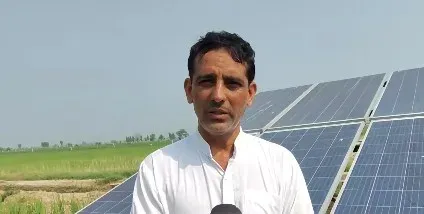
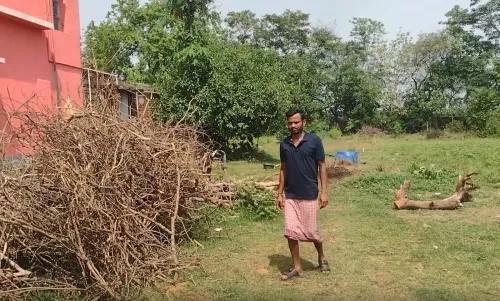
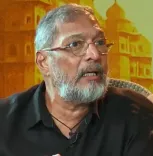
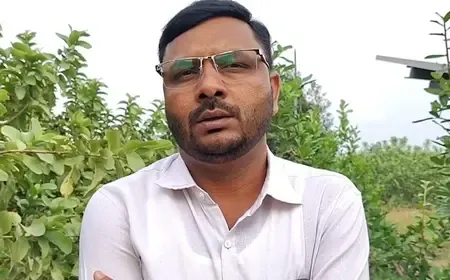
Sandeep Fauji, a retired soldier from Dhana Kalan village in Hansi, installed solar panels on his farm under the scheme and says the impact has been transformative. 'Previously, when we relied on diesel-powered tubewells, the fuel costs were high, limiting our farming activities to basic crops like wheat and barley. However, the solar setup has been incredibly beneficial. We no longer have to wait for electricity or burn expensive diesel,' he said.
Fauji's farm now hosts a four-acre guava orchard, with vegetables grown in the interspaces — a diversification that was financially impractical before reliable, low-cost irrigation became available. He noted that the total solar installation cost, normally around ₹1 lakh, was reduced to ₹47,000 through the scheme's subsidy, making it accessible for small and medium landholders.
Wider Adoption Among Haryana Farmers
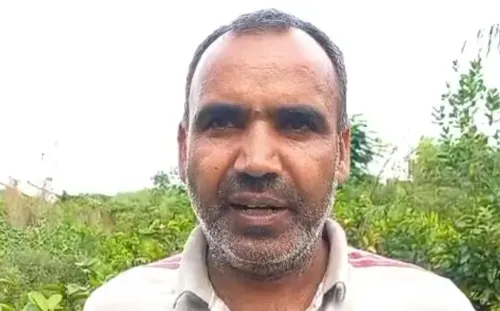
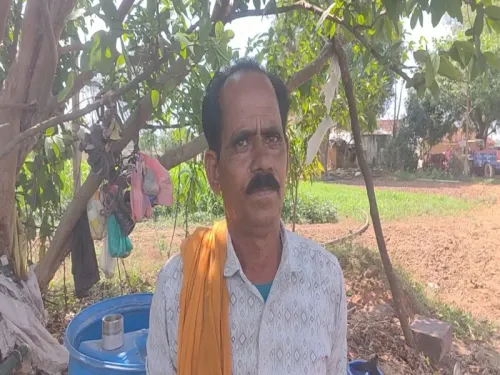
Another Hansi farmer, Ashok Yadav, echoed the economic case for solar-powered irrigation. 'Solar power offers tremendous benefits. Previously, when we ran tube wells, we used to burn a lot of fuel — and fuel has become expensive now. If we used electricity, we had to wait for the power supply. But now, with solar power installed, we neither have to wait for electricity nor burn expensive diesel,' he said.
Yadav added that reliable water access has allowed him to move beyond wheat and sorghum into vegetables such as cauliflower, and that he too is now planting an orchard. This pattern — staple crops giving way to higher-margin produce — is emerging as a broader outcome of the scheme's on-ground rollout in Haryana.
What PM-KUSUM Offers Farmers
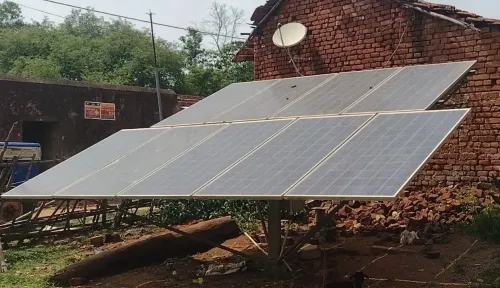
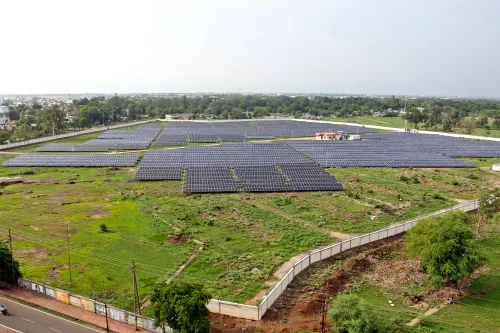
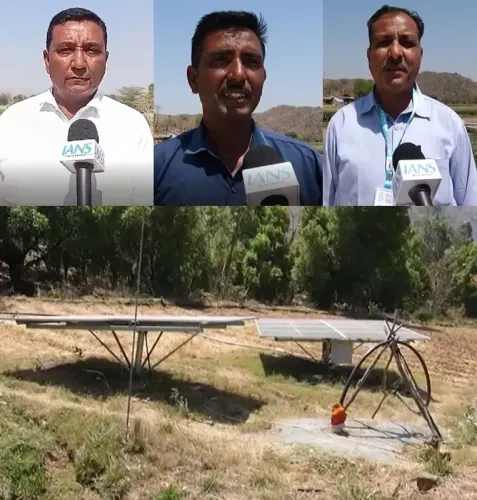
The Pradhan Mantri Kisan Urja Suraksha evam Utthaan Mahabhiyan (PM-KUSUM) scheme, launched by the Ministry of New and Renewable Energy, covers three components: standalone solar pumps, solarisation of grid-connected pumps, and small solar power plants on barren or agricultural land. The subsidy structure typically covers a significant share of installation costs, with the balance split between state government support and the farmer's contribution — as Fauji's experience in Hansi illustrates.
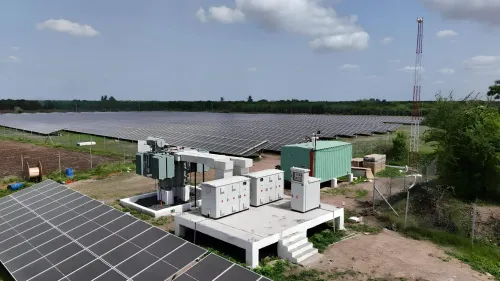
Notably, beyond irrigation, the scheme is designed to allow farmers to sell surplus solar energy to the grid, creating a potential secondary income stream alongside reduced input costs.
Broader Impact and What Comes Next
The Hansi examples reflect a wider policy intent: reducing agriculture's dependence on diesel — which carries both fiscal and environmental costs — while accelerating India's renewable energy transition at the grassroots level. Critics of earlier agrarian welfare schemes have often flagged implementation gaps between announcement and field-level uptake; the Haryana examples suggest that, at least in parts of the state, the subsidy mechanism is reaching intended beneficiaries.
As the scheme scales nationally, the quality of implementation at the district level — timely installations, reliable after-sales service, and grid connectivity for surplus power — will determine whether the gains seen in Hansi can be replicated across India's diverse farming landscape.
Point of View
But they represent self-selected beneficiaries who navigated the scheme successfully — a sample that tells us little about exclusion: farmers who could not arrange even the subsidised ₹47,000, or those in districts where installations have stalled. PM-KUSUM has a strong design on paper, with surplus-power sales offering an income kicker beyond cost savings, but national rollout data on actual pump installations versus targets has repeatedly shown shortfalls. The real story is not whether solar pumps work — they do — but whether the subsidy machinery reaches the marginal farmer at scale, or whether the gains remain concentrated among relatively better-off landholders like a retired soldier with four acres.
NationPress
14 Oct 2026
Frequently Asked Questions
What is the PM-KUSUM scheme and how does it help farmers?
PM-KUSUM (Pradhan Mantri Kisan Urja Suraksha evam Utthaan Mahabhiyan) is a Central government scheme that subsidises solar pump installations for farmers, reducing dependence on diesel and grid electricity. It also allows farmers to sell surplus solar energy back to the grid, creating an additional income source alongside lower irrigation costs.
How much does a solar pump installation cost under PM-KUSUM?
The total installation cost for a solar pump is normally around ₹1 lakh, but the PM-KUSUM subsidy brings the farmer's contribution down significantly. In Hansi, Haryana, farmer Sandeep Fauji paid ₹47,000 for his installation, saving over 50% of the standard cost.
How are Haryana farmers using the PM-KUSUM scheme to grow orchards?
Reliable, low-cost water supply from solar-powered tubewells has allowed Haryana farmers to move beyond staple crops like wheat and barley into higher-value produce. Farmer Sandeep Fauji now runs a four-acre guava orchard in Hansi, while Ashok Yadav has begun growing cauliflower and planting fruit trees.
Who is eligible for the PM-KUSUM solar pump scheme?
The scheme is open to individual farmers, water user associations, panchayats, and farmer producer organisations, among others. Eligibility and subsidy rates can vary by state, as state governments co-fund the scheme alongside the Centre.
What are the broader benefits of PM-KUSUM beyond cost savings?
Beyond cutting diesel and electricity costs, PM-KUSUM supports India's renewable energy transition at the agricultural level. It enables crop diversification by ensuring reliable irrigation, and the surplus power-sale provision offers farmers a potential secondary income stream, effectively turning farmland into a partial clean energy asset.