PM-KUSUM scheme in Haryana: Farmers report lower electricity bills and irrigation savings
Synopsis
Farmers in Haryana's Hasil are reporting monthly savings of Rs 400-500 on irrigation after installing solar pumps under the PM-KUSUM scheme. Beyond the bill cuts, they are selling surplus power back to the grid — turning what was once a cost centre into an income stream. With 35 lakh farmers targeted nationally and 7.55 lakh job-years projected, PM-KUSUM may be one of India's most quietly effective rural welfare programmes.
Key Takeaways
The PM-KUSUM scheme , launched in 2019 , provides subsidised solar pumps to farmers for irrigation across India.
Farmers in Haryana's Hasil report monthly savings of Rs 400 to Rs 500 on electricity and diesel after solar pump installation.
The scheme targets more than 35 lakh farmers nationwide and is considered one of the world's largest clean energy programmes for agriculture.
Farmers can sell surplus solar electricity back to the power grid, creating an additional income source beyond cost savings.
According to experts, PM-KUSUM is expected to generate 7.55 lakh job-years for skilled and unskilled workers.
The programme aims to de-dieselise the farm sector and reduce agricultural carbon emissions alongside cutting costs.
The Pradhan Mantri Kisan Urja Suraksha evam Utthan Mahabhiyan (PM-KUSUM) scheme, launched in 2019, is delivering measurable relief to farmers in Haryana's Hasil, with beneficiaries reporting significant cuts in electricity and diesel costs after switching to solar-powered irrigation. The Central government's flagship solar pump subsidy programme, designed to provide energy and water security to India's farming communities, is increasingly seen as a buffer against agrarian financial stress.
How Farmers in Hasil Are Benefiting
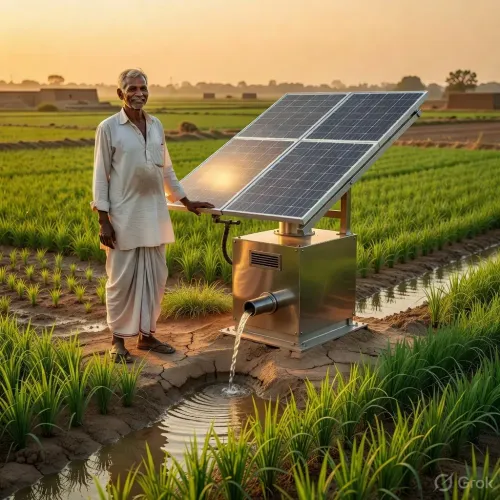
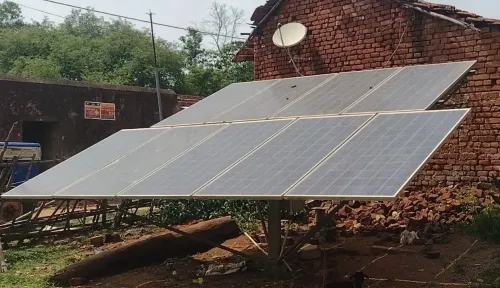
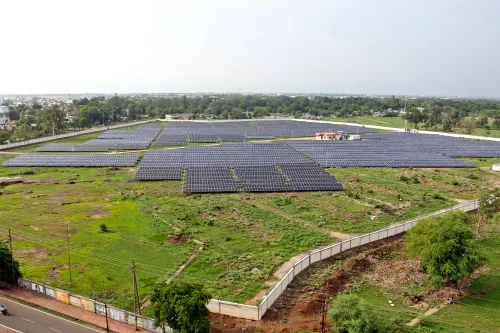
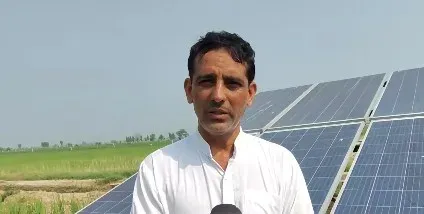
In Hasil, a considerable number of farmers have set up solar power plants on their fields under the PM-KUSUM scheme, enabling low-cost irrigation and reducing dependence on grid electricity and diesel pumps. The shift has been particularly impactful for smallholders cultivating water-intensive crops such as paddy.
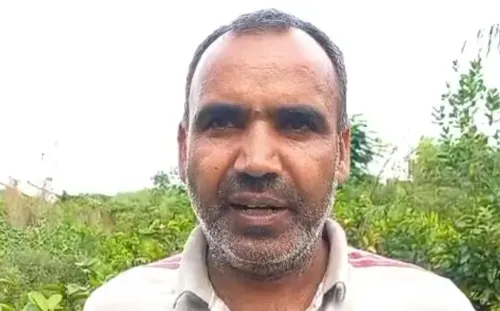
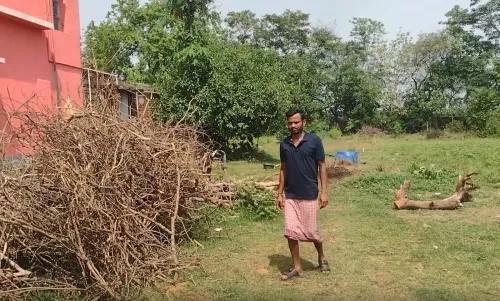
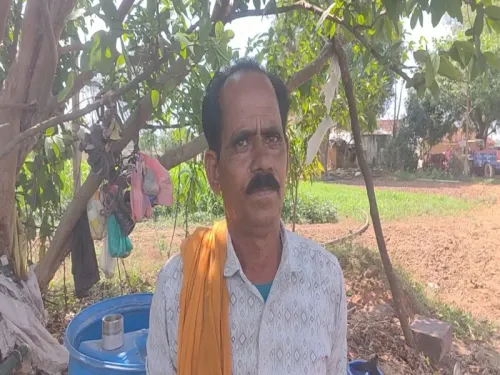
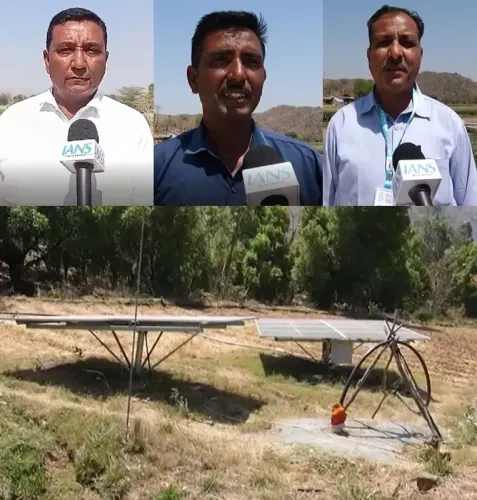
Naresh, a farmer from Garhi village, said his irrigation expenses have dropped sharply since installation. 'After the solar pump was installed, I save around Rs 400 to Rs 500 per month, and my dependence on grid electricity has been eliminated,' he said. Another farmer, Mulayam Singh, noted that high electricity and diesel costs previously eroded his paddy earnings, but irrigation costs have now decreased substantially.
Farmer Narendra described the operational simplicity of the system: the solar pump begins running as soon as sunlight is available and shuts down automatically at sunset, saving both time and money without manual intervention.
Scheme Structure and Financial Support
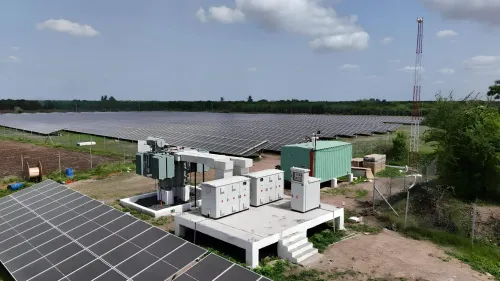
Under PM-KUSUM, financial assistance for solar pump installation is shared between the Centre and state governments, reducing the upfront burden on farmers. Beyond cost savings, the scheme creates an additional income stream: farmers can sell surplus electricity generated by their solar plants back to the power grid, turning an input cost into a revenue source.
Farmers have also reported relief from frequent power outages, which previously disrupted irrigation schedules and damaged crop yields. The solar-powered systems operate independently of the grid, offering greater reliability during critical growing periods.
National Scale and Environmental Goals
PM-KUSUM is among the world's largest clean energy programmes targeting agriculture, with an aim to 'solarise' pumps for more than 35 lakh farmers across India. The scheme's objectives extend beyond cost reduction — it explicitly targets de-dieselisation of the farm sector and a reduction in agricultural carbon emissions.
According to experts, the programme is also expected to generate employment equivalent to 7.55 lakh job-years for both skilled and unskilled workers, adding a labour market dimension to its agrarian benefits.
Broader Significance for Farm Economics
Rising electricity tariffs and diesel prices have been persistent pressure points for Indian farmers, particularly in states like Haryana where irrigation is intensive. PM-KUSUM directly addresses this by converting a recurring operational cost into a one-time subsidised capital investment. Notably, the scheme aligns with India's broader renewable energy targets and rural electrification goals, making it a multi-objective policy instrument rather than a single-issue subsidy.
With ground-level feedback from Haryana pointing to tangible savings, the scheme's expansion to additional districts and states will be closely watched as a model for sustainable farm support.
Point of View
But the headline numbers — 35 lakh farmers, 7.55 lakh job-years — need independent verification before they become policy benchmarks. The scheme's real innovation is converting a subsidy into an income stream through grid feed-in, which changes the political economy of farm support. The risk is uneven implementation: states with stronger grid infrastructure and DISCOMs willing to honour feed-in tariffs will see the full benefit, while others may deliver only partial gains. Whether the Centre tracks outcomes at the beneficiary level, not just installation counts, will determine if PM-KUSUM becomes a replicable model or another scheme measured by disbursements rather than farmer welfare.
NationPress
10 Oct 2026
Frequently Asked Questions
What is the PM-KUSUM scheme and when was it launched?
The Pradhan Mantri Kisan Urja Suraksha evam Utthan Mahabhiyan (PM-KUSUM) is a Central government scheme launched in 2019 to provide solar-powered irrigation pumps to farmers with subsidies shared between the Centre and state governments. Its goals include energy security, reduced diesel dependence, and lower agricultural costs.
How much are Haryana farmers saving under PM-KUSUM?
Farmers in Haryana's Hasil district report saving approximately Rs 400 to Rs 500 per month on electricity and diesel costs after installing solar pumps under the scheme. Some farmers have also eliminated their dependence on grid electricity entirely for irrigation.
Can farmers earn money by selling electricity under PM-KUSUM?
Yes. The scheme allows farmers to sell surplus electricity generated by their solar plants back to the power grid, creating an additional income stream beyond the savings on irrigation costs.
How many farmers does PM-KUSUM aim to cover across India?
The scheme targets more than 35 lakh farmers nationally by solarising their agricultural pumps. It is considered one of the largest clean energy initiatives in the world focused on the agriculture sector.
What are the broader benefits of PM-KUSUM beyond cost savings?
Beyond reducing electricity and diesel bills, PM-KUSUM aims to de-dieselise the farm sector, cut agricultural carbon emissions, and generate employment equivalent to 7.55 lakh job-years for skilled and unskilled workers, according to experts.