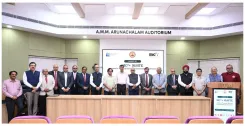
PM Modi meets 20 space startup founders, pushes India as global space tech hub
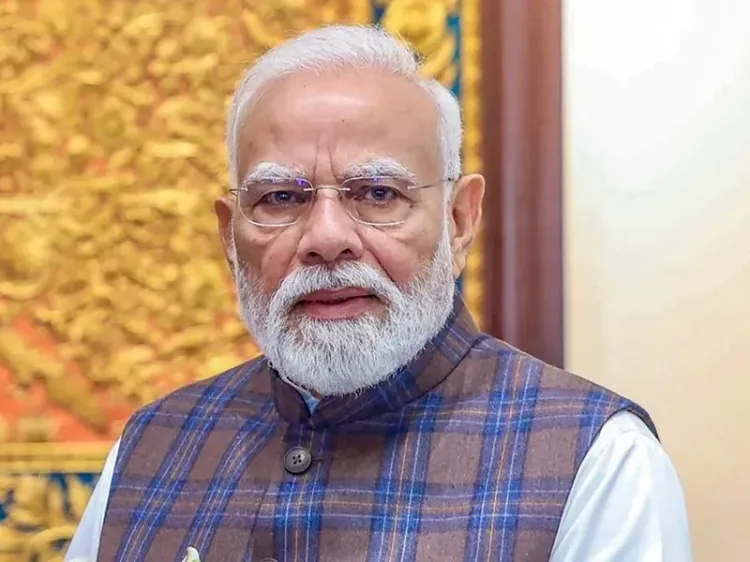
Synopsis
PM Modi sat down with founders of 20 Indian space startups — spanning rockets, satellites, debris removal, and AI weather tech — and made a pointed case: India's window to dominate global space is now, because many nations won't or can't invest. The call for space firms to partner with farmers and environmental groups signals a deliberate push to turn niche tech into mass-market impact.
Key Takeaways
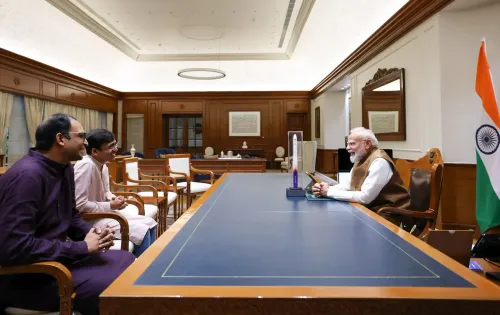
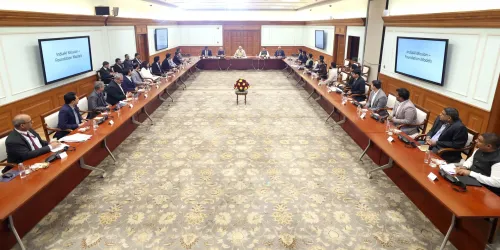
PM Narendra Modi met CEOs and founders of 20 Indian space startups at Seva Teerth, New Delhi on 21 August .
Startups present worked across reusable launch vehicles, avionics, propulsion, space debris removal, defence intelligence, and AI-powered climate tech .
Modi called for India to become a global space technology hub , citing a strategic gap left by countries unwilling or unable to invest in space.
The PM urged space debris firms to partner with environmental organisations and agri-space companies to collaborate with agricultural universities and government departments.
Founders noted growing interest from companies in other sectors in adopting technologies developed by India's private space industry.
Prime Minister Narendra Modi on Friday, 21 August held a wide-ranging interaction with the CEOs and founders of 20 Indian space startups at Seva Teerth, New Delhi, underscoring the rapid rise of the country's private space industry and calling for deeper cross-sector collaboration to cement India's position as a global space technology hub. The meeting brought together entrepreneurs working across rockets, satellites, propulsion systems, and AI-driven climate intelligence, signalling the government's continued push to deepen private participation in the sector.
Who Was in the Room
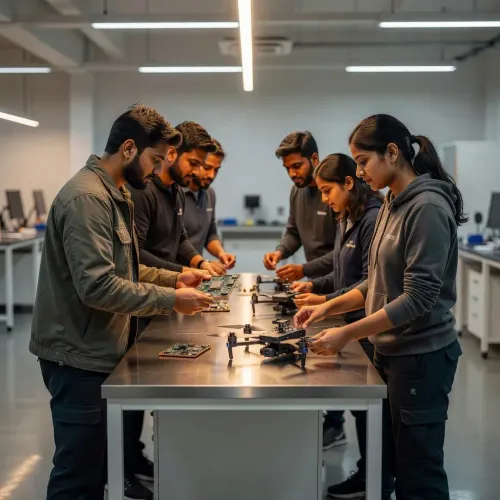
The 20 startups represented a broad sweep of the emerging private space ecosystem, spanning reusable semi-cryogenic launch vehicle development, avionics, advanced propulsion systems, space debris removal, space and defence intelligence, and AI-powered hyperlocal weather and climate intelligence. Founders briefed the Prime Minister on the pace of indigenous capability development and expressed appreciation for policy support extended by the government in recent years.
What Modi Said
Congratulating the founders on their courage and initiative, Modi said the confidence shown by private companies had validated the government's decision to open the space sector to private participation. He noted that many countries either lack the resources or the appetite to invest in space, creating a significant opening for India to accelerate its global standing in the industry.
The Prime Minister urged space startups to look beyond their core technologies and develop applications that directly improve everyday lives. He specifically encouraged space debris companies to partner with environmental organisations, and called on agri-focused space technology firms to collaborate with agricultural universities and government departments to help farmers make better-informed decisions and raise productivity.
Industry Sentiment and Ecosystem Signals
Startup leaders highlighted the strong ecosystem taking shape through government backing and inter-company collaboration. They noted that several companies outside the space sector are now actively exploring how to adopt and leverage technologies developed by India's emerging private space industry — a sign that the sector's outputs are beginning to spill over into the broader economy.
Founders also recalled that the liberalisation of the space sector had generated considerable enthusiasm and unlocked new commercial opportunities for Indian industry, with teams working with what they described as a high degree of motivation toward ambitious sector-wide goals.
Why This Matters
India's push to build a private space industry comes as the global commercial space market is projected to grow sharply over the next decade. The government's decision to open the sector — historically dominated by ISRO — to private players has already catalysed a wave of startups. This interaction signals that the policy intent is now being matched with direct Prime Ministerial engagement, lending further credibility and visibility to the ecosystem. Notably, the focus on cross-sector applications — from agriculture to environmental monitoring — suggests a deliberate effort to broaden the commercial case for space technology beyond defence and launch services.
What Comes Next
The Prime Minister's call for greater collaboration between space startups and companies in other sectors is expected to shape the next phase of India's private space strategy. Industry observers will watch whether the government follows up with formal partnership frameworks or funding mechanisms to operationalise the cross-sector linkages Modi outlined. The interaction adds momentum to India's ambition to capture a larger share of the global space economy.
Point of View
But the harder question is whether it translates into structural support — procurement guarantees, anchor contracts, or risk capital that early-stage launch and propulsion companies actually need. India has a credible base of space entrepreneurs, yet the gap between prototype capability and commercial scale remains wide. Modi's cross-sector collaboration pitch — space debris firms partnering with green groups, agri-space firms linking with extension departments — is directionally sound but will require institutional plumbing that no single meeting can deliver. The real test is whether the policy architecture keeps pace with the entrepreneurial energy in the room.
NationPress
21 Aug 2026
Frequently Asked Questions
Why did PM Modi meet 20 space startup founders on 21 August?
PM Modi met the CEOs and founders of 20 Indian space startups at Seva Teerth, New Delhi, to review the progress of India's private space sector and encourage greater collaboration to position India as a global space technology hub. The interaction is part of the government's broader push to deepen private participation in a sector historically dominated by ISRO.
Which areas do the 20 space startups work in?
The startups work across a wide range of domains including reusable semi-cryogenic launch vehicle development, avionics, satellites, advanced propulsion systems, space and defence intelligence, space debris removal, and AI-powered hyperlocal weather and climate intelligence.
What did PM Modi specifically ask space startups to do?
Modi urged space startups to explore new applications of their technologies that can improve everyday lives. He specifically called on space debris companies to collaborate with environmental organisations, and on agri-focused space tech firms to partner with agricultural universities and government departments to support farmers.
Why does India see a global opportunity in the space sector now?
Modi pointed out that many countries either lack the resources or the willingness to invest in space, creating a strategic opening for India to rapidly strengthen its position in the global space industry. India's combination of a growing private ecosystem and established launch capability makes it well-placed to fill that gap.
How has the opening of India's space sector to private players impacted the industry?
According to founders present at the meeting, the decision to allow private participation generated significant enthusiasm and created new commercial opportunities. Several companies outside the space sector are now reportedly exploring how to adopt technologies developed by these startups, indicating early signs of broader economic spillover.