PM SVANidhi crosses 55 lakh beneficiaries, ₹8.96 lakh crore in digital transactions

Synopsis
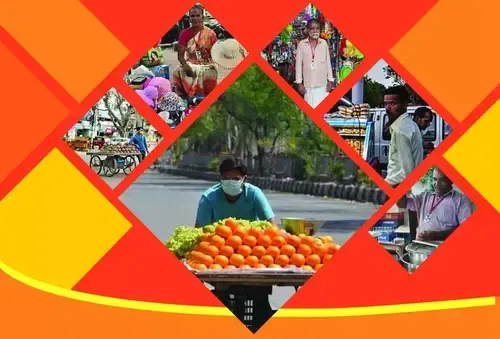
What began as a pandemic-era lifeline for street vendors in 2020 has quietly become one of India's largest grassroots digital finance stories. PM SVANidhi's 841 crore transactions worth ₹8.96 lakh crore — driven by vendors, 70% from marginalised communities — reframes the informal economy not as a problem to be managed, but a market to be unlocked. Its extension to 2030 bets that momentum can be sustained.
Key Takeaways
PM SVANidhi has digitally onboarded over 55 lakh street vendor beneficiaries as of 30 May 2025 .
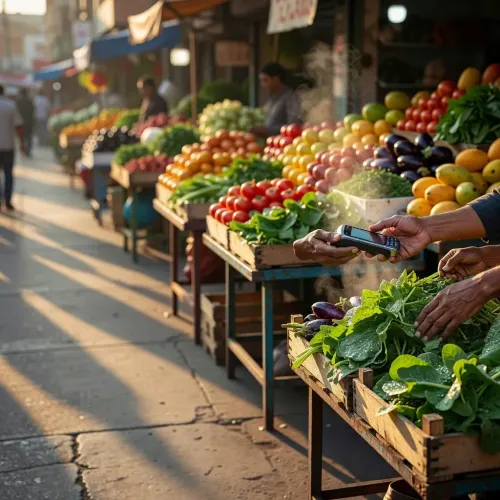
Beneficiaries have collectively recorded more than 841 crore digital transactions worth ₹8.96 lakh crore .
Nearly ₹800 crore has been disbursed through cashback incentives and interest subsidies.
Around 95 per cent of beneficiaries accessed formal institutional credit for the first time under the scheme.
Nearly 46 per cent of beneficiaries are women; around 70 per cent belong to marginalised communities.
The scheme has been extended until March 2030 , with loans available in tranches of ₹15,000 , ₹25,000 , and ₹50,000 .
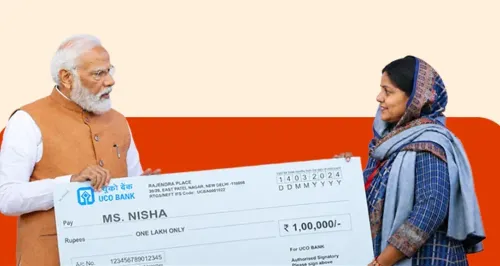
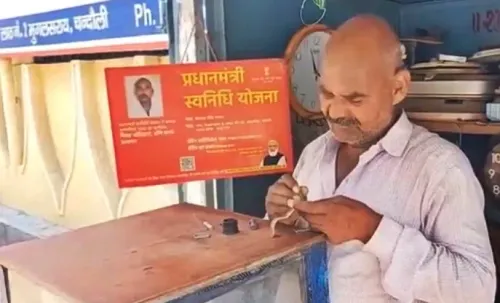
The Pradhan Mantri Street Vendor's AtmaNirbhar Nidhi (PM SVANidhi) scheme has digitally onboarded over 55 lakh beneficiaries, who have collectively carried out more than 841 crore digital transactions worth ₹8.96 lakh crore, according to an official government statement released on Saturday, 30 May. The scheme has also been extended until March 2030, building on what officials described as strong and measurable impact.
Key Milestones
Beneficiaries have collectively received nearly ₹800 crore through digital cashback incentives and interest subsidies, the statement noted. Nearly 95 per cent of those enrolled accessed formal institutional credit for the first time under the scheme — a significant marker of financial inclusion in India's vast informal economy.
Average annual incomes among beneficiaries reportedly rose by nearly 20 per cent, with officials attributing the gains to improved business sustainability and expanded access to working capital.
Who the Scheme Serves
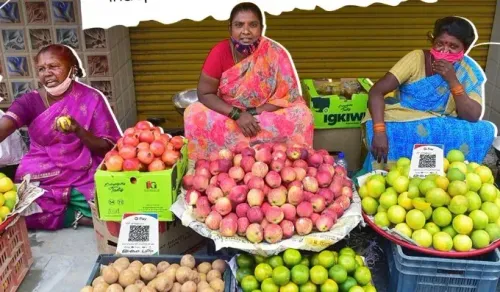
The social profile of PM SVANidhi's beneficiaries underscores its reach into marginalised communities. Nearly 46 per cent of beneficiaries are women, and around 70 per cent belong to marginalised communities. The scheme has strengthened social inclusion in vulnerable urban settings, according to the statement.
Beyond credit access, beneficiaries have reported improved housing stability and better access to nutritious food, healthcare, and education — outcomes that extend well beyond the scheme's original micro-credit mandate.
How the Scheme Works
PM SVANidhi, launched in June 2020 as a first-of-its-kind micro-credit initiative, provides collateral-free working capital loans in three progressive tranches: ₹15,000, ₹25,000, and ₹50,000, backed by government credit guarantees and interest subsidies.
Vendors who successfully repay the second tranche become eligible for UPI-linked RuPay Credit Cards with limits of up to ₹30,000. Cashback incentives of up to ₹1,600 are offered for retail and wholesale digital transactions, incentivising digital adoption and financial literacy among street vendors.
Extension and Outlook
The scheme's extension to March 2030 signals the Centre's intent to deepen its push for digital and financial inclusion in the informal sector. This comes amid broader efforts to formalise India's urban street-vending ecosystem, which has historically operated outside the institutional credit framework.
With digital transaction volumes now approaching ₹9 lakh crore, PM SVANidhi has evolved from a pandemic-era relief measure into one of India's largest grassroots digital finance programmes. Whether the income and social gains can be sustained beyond the subsidy cycle will be the defining test of its long-term impact.
Point of View
But the more consequential figure is the 95 per cent first-time formal credit access rate — it suggests the scheme has genuinely penetrated a population that institutional finance had written off for decades. The 20 per cent average income gain, if independently verified, would make this one of the most effective urban poverty interventions of the decade. The extension to 2030 is the right call, but the harder question is whether the income and digital behaviour gains persist once subsidy-driven cashback incentives taper. India's informal economy has seen well-intentioned credit schemes before; the difference here is the digital transaction trail, which creates a verifiable credit history for vendors who previously had none.
NationPress
26 Sept 2026
Frequently Asked Questions
What is the PM SVANidhi scheme?
PM SVANidhi, or the Pradhan Mantri Street Vendor's AtmaNirbhar Nidhi scheme, is a government micro-credit initiative launched in June 2020 to provide collateral-free working capital loans to street vendors. It offers loans in three progressive tranches of ₹15,000, ₹25,000, and ₹50,000, backed by government credit guarantees and interest subsidies.
How many beneficiaries has PM SVANidhi reached?
As of 30 May 2025, PM SVANidhi has digitally onboarded over 55 lakh beneficiaries across India. These vendors have collectively carried out more than 841 crore digital transactions worth ₹8.96 lakh crore.
Has the PM SVANidhi scheme been extended?
Yes, the PM SVANidhi scheme has been extended until March 2030, according to an official government statement. The extension follows what officials described as strong achievements and measurable impact on beneficiary incomes and financial inclusion.
Who benefits most from PM SVANidhi?
The scheme primarily serves street vendors in India's informal urban economy. Nearly 46 per cent of beneficiaries are women, and around 70 per cent belong to marginalised communities. About 95 per cent of enrolled vendors accessed formal institutional credit for the first time under the scheme.
What digital benefits do PM SVANidhi vendors receive?
Vendors receive cashback incentives of up to ₹1,600 for retail and wholesale digital transactions. Those who repay the second loan tranche become eligible for UPI-linked RuPay Credit Cards with limits of up to ₹30,000. Beneficiaries have collectively received nearly ₹800 crore in cashback and interest subsidies.