PM SVANidhi at 6: 1.12 crore loans, ₹8.96 lakh crore in digital transactions

Synopsis
Six years after PM Modi launched SVANidhi to rescue street vendors from pandemic ruin, the scheme has channelled ₹17,800 crore in loans and driven 841 crore digital transactions worth ₹8.96 lakh crore — pulling a cash-only sector into the formal economy. Now extended to 2030 with ₹7,332 crore committed, the real question is whether scale can be matched with quality of credit outcomes.
Key Takeaways
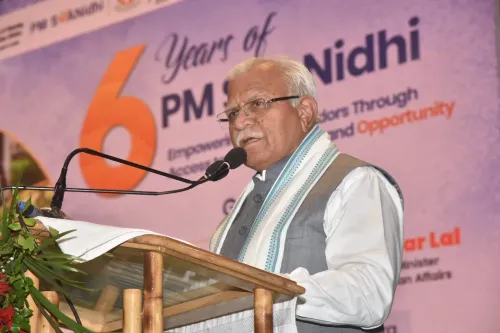
PM SVANidhi completes six years on 1 June 2026 , launched by PM Narendra Modi on 1 June 2020 .
More than 1.12 crore loans worth over ₹17,800 crore disbursed to 75.5 lakh beneficiaries .
841 crore digital transactions worth nearly ₹8.96 lakh crore conducted by beneficiaries.
Nearly ₹800 crore paid out as digital cashback incentives and interest subsidies.
46% of beneficiaries are women; around 70% belong to marginalised communities.
Scheme extended to 2030 with a ₹7,332 crore outlay targeting 50 lakh new beneficiaries .
The Prime Minister Street Vendor's Atma Nirbhar Nidhi (PM SVANidhi) scheme completes six years on 1 June 2026, marking half a decade of collateral-free credit support to street vendors whose livelihoods were devastated by the Covid-19 pandemic. Official data show the scheme has disbursed more than 1.12 crore loans and facilitated 841 crore digital transactions worth nearly ₹8.96 lakh crore since its launch.
Six Years of Impact: Key Numbers
According to an official statement, more than 75.5 lakh beneficiaries have availed over 1.12 crore loans amounting to more than ₹17,800 crore. Over 55 lakh beneficiaries have been onboarded digitally under the scheme. Beneficiaries have also received nearly ₹800 crore through digital cashback incentives and interest subsidies, providing an additional financial cushion beyond the loan itself.
How the Scheme Works
PM SVANidhi was launched by Prime Minister Narendra Modi on 1 June 2020 to provide collateral-free working capital to street vendors whose businesses had been forced to a halt by pandemic-related restrictions. The scheme operates in three loan tranches: a first loan of ₹10,000, a second of ₹20,000 upon repayment of the first, and a third of ₹50,000 upon settlement of the second. The graduated structure is designed to build creditworthiness progressively within a segment that has historically been excluded from formal banking.
Social Inclusion and Gender Gains
The scheme's reach extends beyond economics. Nearly 46 per cent of beneficiaries are women, reflecting what officials describe as strong gender inclusion. Around 70 per cent of beneficiaries belong to marginalised communities, making PM SVANidhi one of the more targeted urban poverty interventions of the current administration. Officials note that improved incomes have supported greater housing stability and better access to food, healthcare, and education among recipient households.
Extension to 2030 and Expanded Outreach
The Modi government last year approved a restructuring and extension of the scheme's lending period through 2030. The extended programme carries a total outlay of ₹7,332 crore and is expected to benefit 1.15 crore people, including 50 lakh new beneficiaries. This comes amid a broader push to formalise the unorganised sector and integrate it into the digital economy — a goal the scheme's transaction data suggest is gaining traction.
What the Numbers Reveal
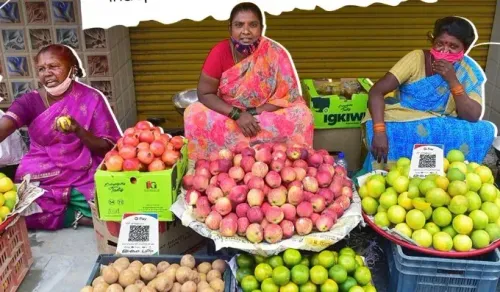
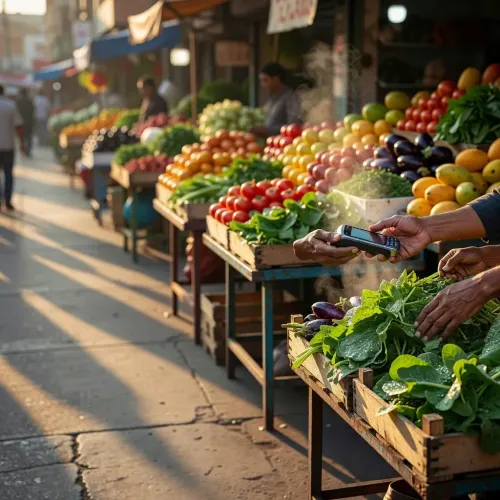
The 841 crore digital transactions figure is particularly striking for a sector that was almost entirely cash-dependent before 2020. Notably, the scheme has doubled as a financial literacy vehicle, pulling millions of vendors into UPI and digital payment ecosystems for the first time. With the extension in place and fresh beneficiaries set to be enrolled, the scheme's second chapter will test whether early momentum can be sustained at scale through 2030.
Point of View
Not just a welfare statistic. But loan disbursement volume and repayment quality are different metrics, and the government has not foregrounded default or delinquency data. The extension to 2030 with 50 lakh new beneficiaries raises the stakes: if the credit pipeline grows without a parallel push on income sustainability, the scheme risks creating debt cycles rather than breaking them. The 46% women beneficiary figure also deserves scrutiny — are these primary borrowers exercising financial agency, or proxy enrollments? The answers matter for the scheme's next chapter.
NationPress
25 Sept 2026
Frequently Asked Questions
What is PM SVANidhi and when was it launched?
PM SVANidhi (Prime Minister Street Vendor's Atma Nirbhar Nidhi) is a central government scheme launched on 1 June 2020 to provide collateral-free working capital loans to street vendors whose businesses were disrupted by the Covid-19 pandemic. It offers loans in three tranches of ₹10,000, ₹20,000, and ₹50,000.
How many beneficiaries has PM SVANidhi reached in six years?
More than 75.5 lakh beneficiaries have availed over 1.12 crore loans totalling more than ₹17,800 crore since the scheme's launch. Over 55 lakh of these beneficiaries have been onboarded digitally.
What is the significance of the digital transaction data under PM SVANidhi?
Beneficiaries have collectively conducted 841 crore digital transactions worth nearly ₹8.96 lakh crore, a remarkable shift for a sector that was almost entirely cash-dependent before 2020. They have also received nearly ₹800 crore in digital cashback incentives and interest subsidies.
Has the PM SVANidhi scheme been extended beyond its original period?
Yes. The government approved a restructuring and extension of PM SVANidhi through 2030, with a total outlay of ₹7,332 crore. The extended scheme aims to benefit 1.15 crore people, including 50 lakh new beneficiaries.
Who are the primary beneficiaries of PM SVANidhi?
Around 70 per cent of beneficiaries belong to marginalised communities, and nearly 46 per cent are women, according to official data. The scheme specifically targets urban street vendors in the unorganised sector.